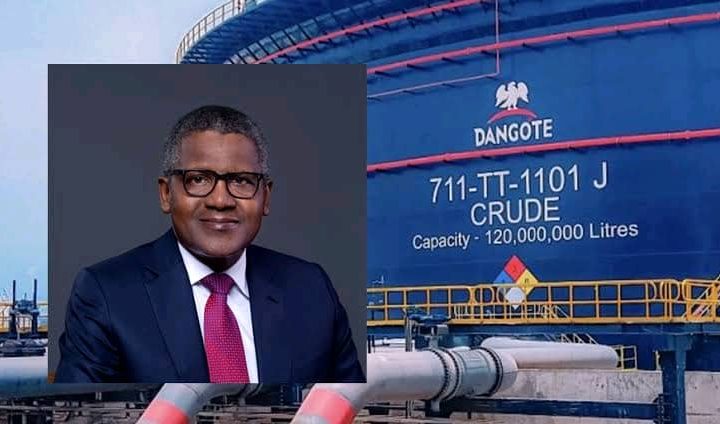
The Dangote Refinery hikes petrol price again, increasing the ex-depot rate for Premium Motor Spirit (PMS) from N825 to N880 per litre. This N55 rise has sparked concern across the country. Nigerians now fear a jump in pump prices, especially in regions far from fuel depots.
Information from petroleumprice.ng and a verified Pro Forma Invoice confirmed the hike. The refinery implemented the change despite falling global crude prices. Brent crude dropped 3.02% to $76.47 per barrel. WTI fell to $74.93, while Murban crude settled at $76.97. These changes offered no relief at the domestic level.
Operational costs at the refinery have climbed sharply. Aliko Dangote recently revealed that his refinery now relies more on U.S. crude oil imports. Between April and May 2025, the refinery received 3.65 million barrels. It plans to import 17.65 million barrels by the end of July. The shift has increased logistics expenses and exposed pricing to forex fluctuations.
The impact on local pricing is already visible. Depot operators and marketers in Lagos and other cities held back pricing decisions earlier in the week. This followed Dangote’s suspension of PMS supply and the delay in releasing PFIs. The silence triggered speculation, leading to opportunistic price increases at various fuel terminals.
Pump prices are now expected to cross N900 per litre in some states. Locations distant from distribution hubs will likely feel the biggest hit. These developments challenge the promise of stability that many hoped the Dangote refinery would deliver.
The Dangote Refinery hikes petrol price news also attracted criticism from energy experts. Festus Osifo, president of PENGASSAN, described the pricing as exploitative. He noted that current global oil benchmarks suggest a pump price between N700 and N750 per litre. In his view, Nigerians should benefit from falling global prices, not suffer more.
Osifo urged transparency in pricing and accountability from oil marketers. He said Nigerians must not carry the burden of inefficiencies or profit-driven practices. His comments reflect growing frustration over the disconnect between global markets and local pump prices.
The refinery continues to face supply issues. Dangote told members of the Technical Committee on the naira-for-crude initiative that domestic crude remains insufficient. This shortage forces continued reliance on imports. While the government supports the naira-based crude deal, the results so far appear limited.
In the meantime, consumers are bracing for another wave of fuel price hikes. Transport costs may rise. Businesses already stretched by inflation could pass extra costs to customers. These ripple effects could further strain household incomes.