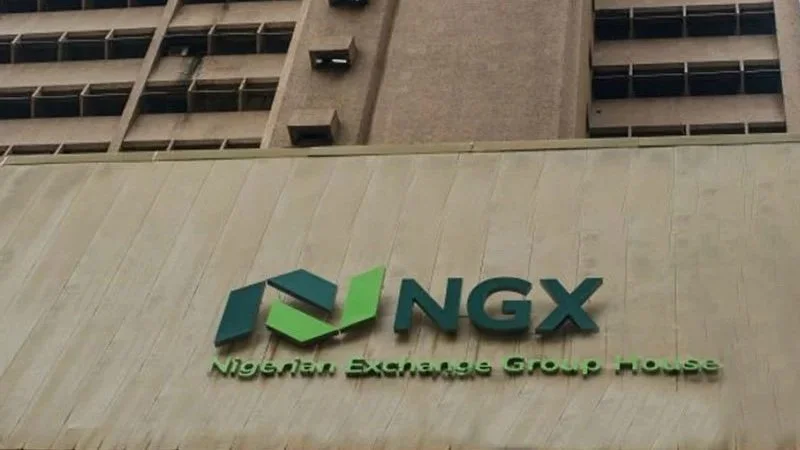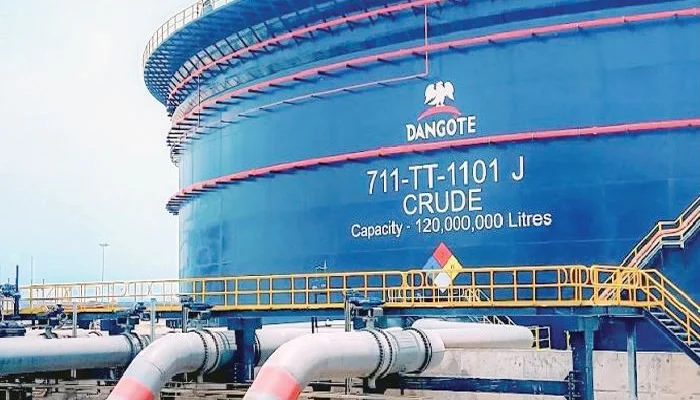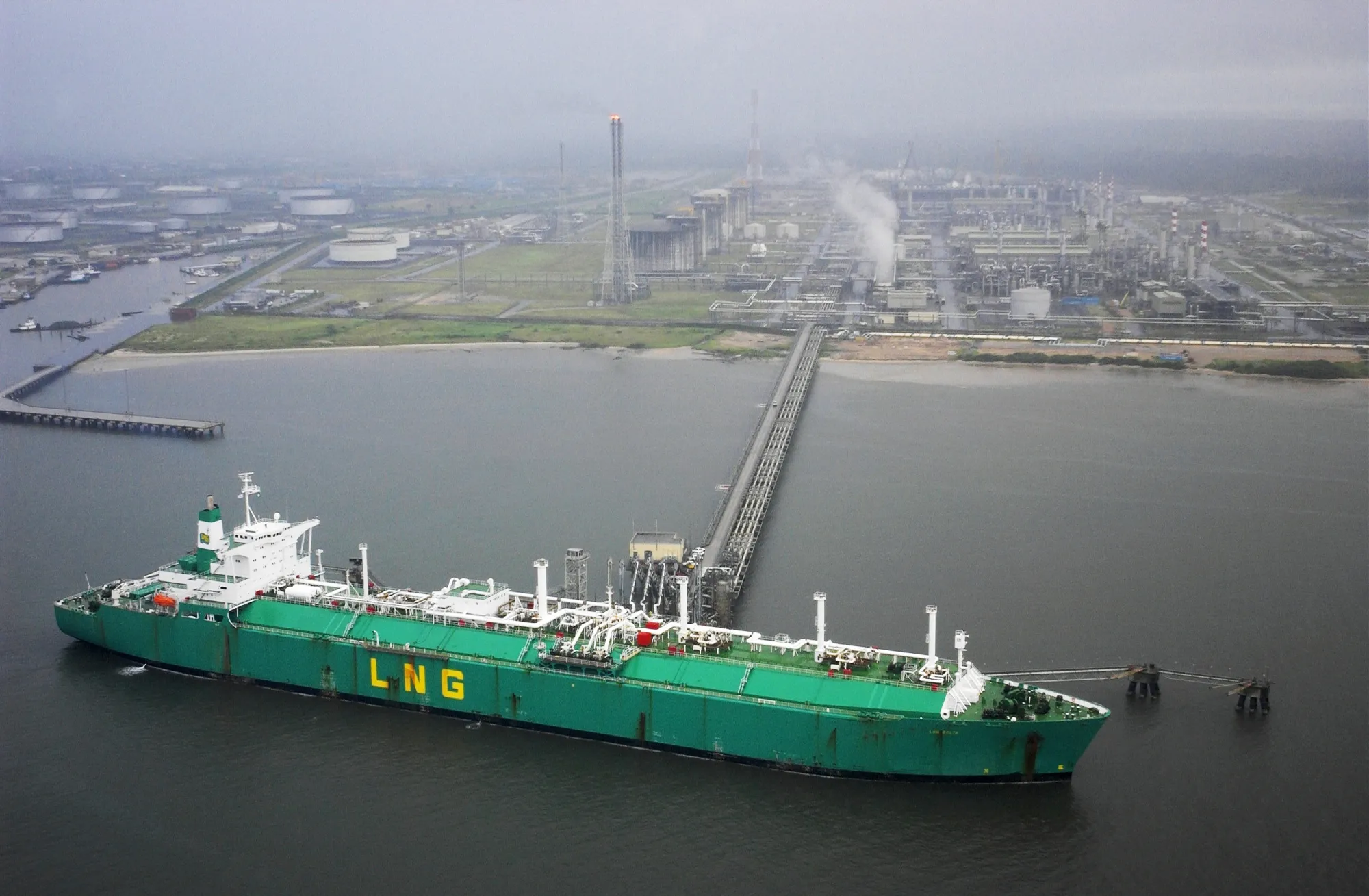
Nigeria LNG demand is accelerating rapidly today. Consequently, international buyers seek reliable alternatives actively. This occurs amid Middle East energy disruptions. Moreover, this strategic pivot reflects broader recalibration. Global energy procurement is changing significantly now. Therefore, African producers gain prominence in markets. The market remains increasingly volatile currently. However, the shift signals structural reassessment clearly. Nations seek long-term energy stability actively. Geopolitical uncertainty defines this new era well. Indeed, this transformation affects global trade patterns.
Specifically, Olalekan Ogunleye spoke at CERAWeek recently. He serves as Executive Vice President currently. Furthermore, he highlighted Nigeria’s geographic advantage clearly. The nation sits just ten sailing days from Europe. Additionally, it offers direct access to shipping lanes. This logistical efficiency is rare among competitors. Proximity to consuming markets matters greatly now. Supply chain uncertainty makes location even more critical.
Nigeria holds Africa’s largest natural gas reserves. Estimates exceed 200 trillion cubic feet total. This vast resource base supports existing export infrastructure. Thus, Nigeria stands as a stabilizing force globally. Buyers seek more than volume alone. They prioritize supply chain resilience strongly. Regulatory transparency matters significantly too. Long-term partnership potential weighs heavily in decisions. Accordingly, Nigeria LNG demand continues rising steadily.
Geopolitical tensions in the Middle East have escalated. Consequently, energy importers accelerate efforts to reduce risk. Industry veterans note that conflicts intensify urgency. Supply diversification has become a strategic priority. African producers hold proven reserves securely. Many have underutilized export capacity currently. These nations now center strategic procurement discussions. This shift appears permanent, not temporary.
Diversification strategies now embed within contracting frameworks. Companies reassess portfolio resilience constantly. They favor suppliers with political stability. Clear regulatory pathways attract investment globally. Scalable infrastructure remains essential for success. Nigeria’s ongoing LNG investments align with criteria. This alignment reinforces buyer confidence in reliability. Consequently, Nigeria LNG demand continues to rise. Moreover, market dynamics favor established producers.
Nigeria LNG exports up to 22 million metric tons. NNPC holds the largest stake in the venture. Construction continues on a seventh production train. Completion is expected by 2027 specifically. Preliminary discussions address adding two more trains. A separate 12 million metric ton project is underway. This project integrates with gas-based industrial hubs.
These developments signal more than capacity growth. They represent a coordinated monetization strategy. Nigeria aims to unlock value from endowment. Downstream value creation includes petrochemicals and power. Integrated approaches enhance project economics significantly. They strengthen Nigeria’s value proposition to partners. Gas-based industrialization also supports domestic development. Jobs emerge locally. Technological transfer accelerates rapidly. Furthermore, this supports national economic goals. Therefore, stakeholders maintain strong commitment.
Ogunleye emphasized natural gas demand resilience. Geopolitical turbulence has not suppressed investment interest. Short-term disruptions often accelerate long-term structural shifts. Buyers now lock in flexible supply agreements. This trend favors producers with scalable output. Market data supports this perspective strongly. Global LNG spot prices remain elevated currently. Appetite for flexible cargoes stays strong.
Nigeria offers both term contracts and flexibility. This adaptability enhances appeal across buyer profiles. European utilities seek winter supply security. Asian industrials manage just-in-time inventory. Adaptability sustains Nigeria LNG demand over the decade. Hence, growth trajectories remain positive. Indeed, long-term contracts multiply steadily.
Realizing Nigeria’s potential requires focused execution. Three pillars guide progress effectively. Infrastructure, regulation, and environmental stewardship matter. Liquefaction capacity expansion must proceed on schedule. Near-term market opportunities depend on timely delivery. Transparent fiscal terms attract needed capital. Streamlined permitting accelerates project timelines.
Environmental considerations influence buyer decisions increasingly. Nigeria’s gas strategy includes methane monitoring commitments. Flaring reduction remains a priority always. Carbon management aligns with global expectations. Responsible resource development enhances market access. Importers now incorporate sustainability criteria into procurement. These efforts mitigate ecological impact significantly. Commercial opportunity expands simultaneously. Thus, Nigeria balances growth with responsibility.
The surge in Nigeria LNG demand reflects realignment. Global energy flows are shifting visibly. Buyers prioritize supply chain resilience. Geographic advantage matters greatly. Scalable infrastructure attracts long-term partnerships. Nigeria’s strategic assets position it for growth. Disciplined execution enables success ultimately. Continued partnership focus strengthens outcomes.
Nigeria can transform vast gas reserves. Enduring economic value becomes possible. Global energy security benefits from this progress. Industry observers note key success factors. Policy momentum must continue steadily. Investment frameworks require stability. Operational excellence remains non-negotiable. Nigeria faces both opportunity and responsibility. Reliable energy delivery to markets matters. Domestic development goals advance simultaneously.
The trajectory of Nigeria LNG demand serves as barometer. Africa’s broader role evolves continuously. This moment defines Nigeria’s energy future. Indeed, the outlook remains robust. Therefore, stakeholders must remain vigilant. Additionally, collaboration ensures sustained success. Ultimately, the market rewards reliability. Nigeria LNG demand will likely grow. Consequently, strategic planning remains essential. Furthermore, adaptability drives competitive advantage. Hence, Nigeria’s position strengthens globally.