The Northern Elders Forum (NEF) urged the Federal Government on Tuesday to take swift action to prevent a flood crisis in Northern Nigeria. According to NEF Spokesperson, Professor Abubakar Jiddere, the region faces an imminent environmental and humanitarian disaster. Jiddere stressed that the government must act quickly. With August approaching, which marks the peak rainfall period, immediate intervention is crucial to prevent further damage.
Historical Precedence of Devastating Floods in the North
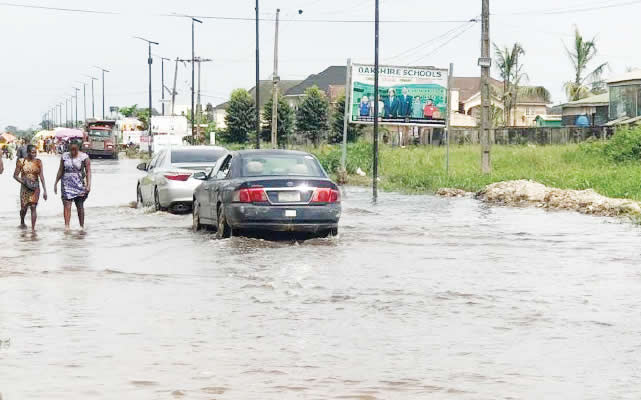
The NEF pointed to devastating floods in Northern Nigeria’s history. In 2012, floods that began in early July killed 363 people and displaced over 2.1 million. Kogi and Benue states were the hardest hit. In 2022, floods claimed over 600 lives, displaced 1.3 million people, and destroyed thousands of homes and critical infrastructure. On September 9, 2024, the collapse of Alau Dam in Borno State caused flash floods in Maiduguri and Jere LGAs, resulting in fatalities and widespread damage. Then, on May 28, 2025, Mokwa town in Niger State faced deadly flooding caused by torrential rainfall, killing over 500 people, displacing many, and destroying homes, farmlands, and infrastructure.
The Urgency of Action
The NEF highlighted the flood warning issued on July 16, 2025 by the National Flood Early Warning Systems Centre. This alert named 11 states at risk, with 9 of them in Northern Nigeria. These states include Adamawa, Borno, Bauchi, Plateau, Yobe, Katsina, Kano, Jigawa, and Zamfara. The NEF warns that, based on weather forecasts and current vulnerabilities, Northern Nigeria faces extreme flood risks until the end of September 2025.
Related News
- Flood Alert Forces Relocation in 20 Nigerian States
- Over 700 Feared Dead in Nigeria Floods 2025
- Northern Elders Warn FG of Flood, Seek Intervention
NEF’s Urgent Call to Action
The NEF urged the Federal Government to collaborate with state governments to prevent a flood crisis. The forum recommended activating flood emergency response plans and reinforcing drainage systems immediately. The NEF also called for better regulation of water releases from dam infrastructure and the construction of flood barriers, diversion canals, retention ponds, and reservoirs in flood-prone areas. In addition, the forum recommended diplomatic talks with Cameroon to manage the Lagdo Dam water releases. It also suggested pre-positioning sandbags and emergency flood mitigation kits in high-risk communities. Public awareness campaigns on evacuation procedures and risk reduction should also be launched.
Consequences of Inaction
The NEF warned that failing to act would lead to avoidable loss of life, widespread destruction of property, displacement, and significant economic disruption. The forum stressed that “This is not merely a warning. It is a declaration of a national threat. The time to act is now.”