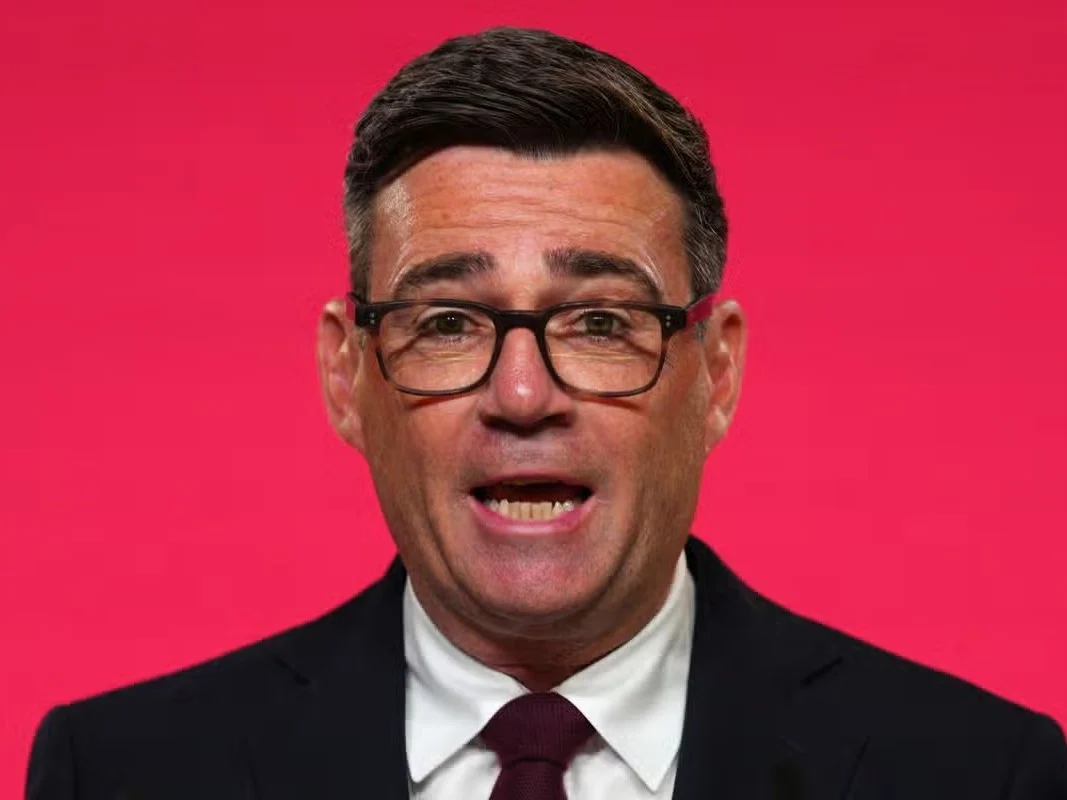
Andy Burnham officially takes office as Britain’s new prime minister on Monday, becoming the country’s seventh leader in a decade as he inherits mounting economic and political challenges that have toppled several of his predecessors.
The former Greater Manchester mayor succeeds Keir Starmer, who resigned after just two years in office despite leading the Labour Party to a landslide election victory in 2024 that ended 14 years of Conservative rule.
Burnham will formally receive King Charles III’s invitation to form a new government before delivering his first speech outside 10 Downing Street, where he is expected to outline his administration’s priorities for rebuilding public trust, stimulating economic growth and giving more powers to regional communities.
Andy Burnham Begins Leadership at a Critical Time
Andy Burnham assumes office as Britain grapples with stubborn economic challenges, rising public debt and growing political pressure from Nigel Farage’s Reform UK party.
Labour lawmakers turned to Burnham after Starmer resigned in June, believing the experienced regional leader could reconnect with voters and revive confidence in the governing party ahead of the next general election.
Burnham has pledged to reshape Britain’s highly centralized political system by transferring more decision-making powers to local authorities across England.
His team said his first address as prime minister will focus on restoring confidence in government while helping families cope with the continuing cost-of-living crisis.
Economic Challenges Await the New Government
The new administration faces an economy struggling with weak growth, rising government borrowing costs and increasing pressure on public finances.
Higher energy prices linked to the ongoing US-Iran conflict have added to inflationary concerns, while irregular migration across the English Channel continues to dominate Britain’s political debate.
Burnham also inherits strict fiscal rules that limit government spending, making it difficult to introduce ambitious public investment without increasing taxes or borrowing.
Political analysts say balancing economic stability with Labour’s promises on public services will become one of his biggest tests.
Delivering sustained economic growth will be central to Burnham’s strategy for rebuilding public confidence before the next national election.
Andy Burnham Promises Regional Empowerment
One of Andy Burnham’s defining policy goals is to devolve more powers from Westminster to local governments.
Drawing on his experience as Greater Manchester mayor, Burnham has repeatedly argued that local communities understand their economic and social challenges better than central government.
Deputy Labour leader Lucy Powell said Burnham’s years outside Westminster give him practical experience in delivering local reforms and understanding the everyday concerns of working families.
She described his leadership approach as “bigger and bolder,” saying it reflects Labour’s original promises to transform public services and strengthen regional economies.
Burnham has also promised to improve access to affordable housing, strengthen job security and expand opportunities for younger generations.
Cabinet Appointments Under Close Watch
Attention now turns to Burnham’s first cabinet appointments, particularly his choice of finance minister following Rachel Reeves’ departure from the Treasury.
The appointments will offer the first clear indication of the new prime minister’s governing style and policy priorities.
Observers expect Burnham to balance experienced ministers with fresh faces as he seeks to unite different factions within the Labour Party.
His administration is also expected to accelerate reforms designed to improve productivity and encourage investment across Britain’s regions.
First Major Policy Shift Announced
Before officially taking office, Burnham announced his first significant policy decision by cancelling the nationwide digital identity programme introduced under Starmer’s government.
The project, estimated to cost £1.8 billion over three years, had attracted criticism over its cost and implementation.
Burnham said the savings would instead support measures aimed at easing the cost-of-living pressures facing British households.
The decision signaled his intention to prioritize practical economic support over expensive long-term government projects.
Labour Faces Race Against Time
Despite widespread support within Labour, Andy Burnham has limited time to convince voters his government can deliver meaningful change.
Opinion polls continue to show growing support for Reform UK, raising concerns about Labour’s electoral prospects ahead of the next general election expected in 2029.
Burnham has described his leadership as Labour’s “last chance” to fulfil the promises that brought the party back to power after more than a decade in opposition.
His success will depend on whether he can revive economic growth, restore public confidence and demonstrate that Labour can govern effectively during one of Britain’s most challenging political and economic periods.