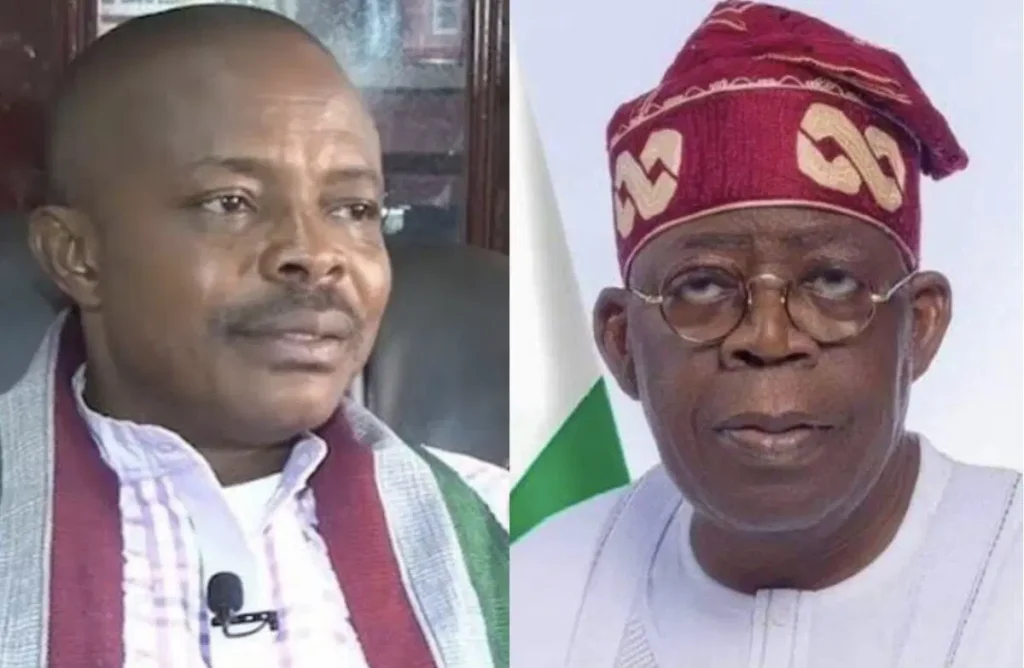
ABUJA — Xenophobia attacks have pushed relations between Nigeria and South Africa into another period of diplomatic strain after President Bola Tinubu declined to receive a special envoy sent by South African President Cyril Ramaphosa.
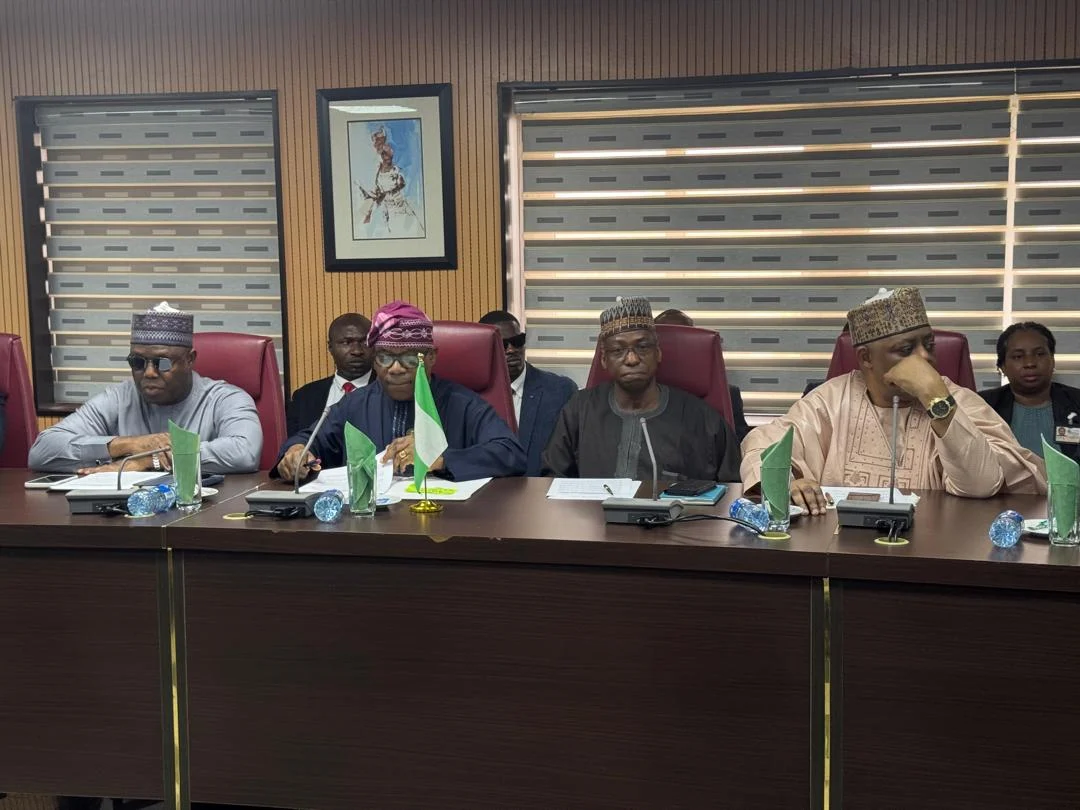
Instead, the President instructed the delegation to hold discussions with the Minister of State for Foreign Affairs, Ambassador Sola Enikanolaiye. The minister will brief Tinubu on the outcome of the meeting.
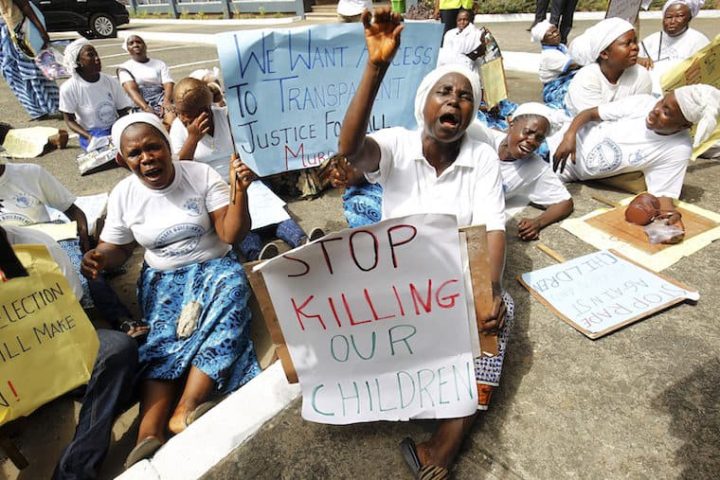
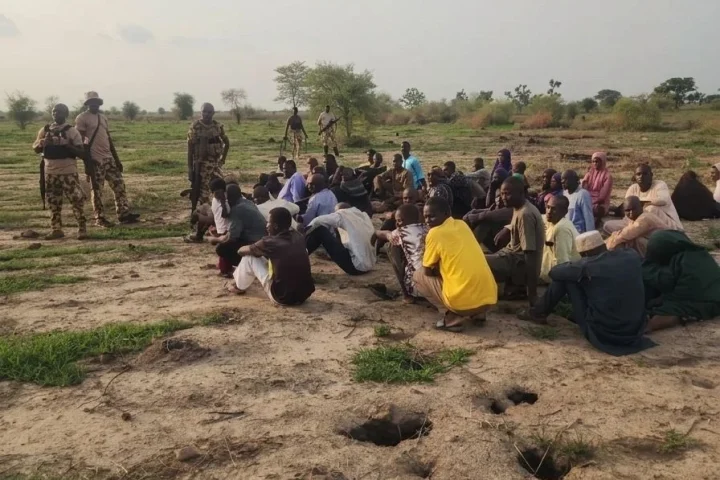
The decision came as the Federal Government renewed its condemnation of recurring xenophobia attacks targeting Nigerians and other African nationals living in South Africa.
Officials called on Pretoria to strengthen security measures and ensure those responsible for the attacks face justice.
Presidency sources said the South African delegation arrived in Abuja on Friday carrying a message from President Ramaphosa.
However, the visitors did not secure an audience with Tinubu.
One Presidency official said the delegation arrived without prior diplomatic clearance.
The source explained that the Presidency could not arrange an immediate meeting because the President’s schedule had already been finalized.
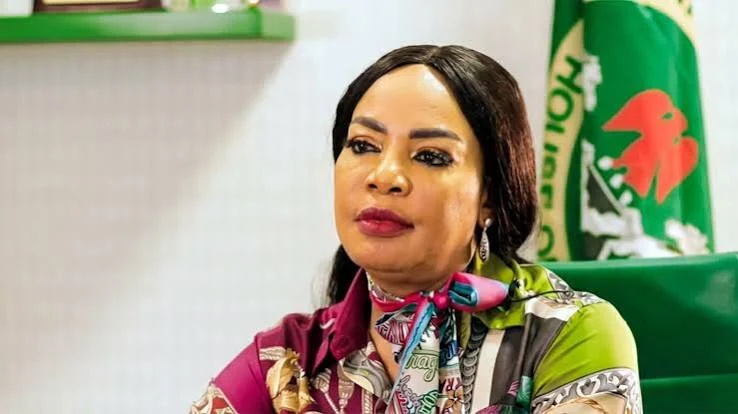
Another official disclosed that Foreign Affairs Minister Bianca Odumegwu-Ojukwu, who is attending official engagements in Addis Ababa, advised against a presidential meeting while xenophobia attacks against Nigerians remained unresolved.
Nigeria Calls for Immediate Action
Speaking during the meeting in Abuja, Enikanolaiye said President Tinubu directed the talks to identify practical solutions to the persistent xenophobia attacks.
He described Nigeria and South Africa as strategic partners whose relationship should remain strong despite current disagreements.
The minister recalled Nigeria’s leading role in supporting South Africa’s liberation struggle against apartheid.
He noted that both countries later became key partners within the African Union and several continental development initiatives.
According to Enikanolaiye, the latest violence has undermined decades of African solidarity.
He said attacks against African migrants have occurred repeatedly since the mid-1990s.
The minister listed major incidents recorded in 1995, 1998, 2006, 2015, 2016, 2019, 2021, 2024 and 2026.
He added that official records show 98 Nigerians have died in mob attacks and hate-related incidents since 2022.
Enikanolaiye stressed that Nigeria condemns every form of criminal activity.
However, he insisted that authorities must prosecute suspects through the judicial system rather than allowing violent mobs to administer punishment.
He urged South African authorities to uphold constitutional rights and international human rights obligations.
The minister also expressed concern that many victims had legal residency permits and operated legitimate businesses before becoming targets of xenophobia attacks.
He questioned reports suggesting that security personnel sometimes failed to intervene while attacks unfolded.
According to him, governments have a duty to protect everyone living within their territory regardless of nationality.
Humanitarian Impact Raises Concerns
Enikanolaiye recalled previous evacuation exercises organized by the Nigerian government.
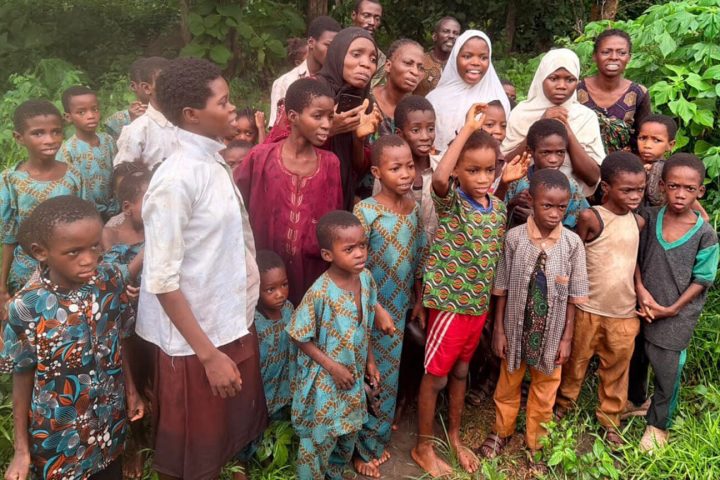
He said nearly 1,500 Nigerians returned home after earlier waves of violence destroyed businesses and homes.
Many families arrived with few belongings after losing years of investment.
The minister described those evacuations as emotionally difficult.
He said many victims struggled to rebuild their lives after returning to Nigeria.
Fresh xenophobia attacks earlier this year prompted another emergency response.
Government officials approved evacuation flights after more than 1,000 Nigerians registered for voluntary repatriation.
Authorities continue to monitor developments while engaging South African officials through diplomatic channels.
South Africa Reaffirms Opposition to Xenophobia
Responding on behalf of President Ramaphosa, Ronald Lamola said South Africa rejects xenophobia, racism and every form of discrimination.
He said his government remains committed to protecting everyone living within the country’s borders.
Lamola explained that Ramaphosa sent the delegation to reaffirm South Africa’s commitment to dialogue.
He also emphasized that the government would continue enforcing immigration laws.
According to him, authorities would take action against undocumented migration and criminal activities.
Lamola argued that migration remains a continental challenge requiring stronger cooperation among African governments.
He expressed confidence that sustained diplomatic engagement would reduce tensions between Abuja and Pretoria.
Diplomatic Pressure Continues to Build
Repeated xenophobia attacks have intensified calls for stronger action in Nigeria.
The House of Representatives recently recommended suspending business permits granted to South African companies operating in Nigeria.
The Senate also dispatched a delegation to Pretoria to formally communicate Nigeria’s concerns.
Analysts believe both governments must move beyond diplomatic statements and implement practical measures that guarantee the safety of foreign nationals.
They argue that stronger law enforcement, quicker prosecutions and better community engagement will discourage future violence.
Observers also believe improved cooperation between both countries will strengthen regional stability and protect Africa’s reputation.
As diplomatic discussions continue, Nigeria insists that protecting its citizens abroad remains a top priority.
The government says ending xenophobia attacks will require sustained political commitment, stronger law enforcement and closer collaboration between both countries.
Officials also believe lasting solutions will preserve the historic partnership between Nigeria and South Africa while promoting unity across the African continent.