East Africa economies are among the most dynamic and fast-changing in the world, with countries making steady progress in growth, trade, and development. By 2025, the region’s economies present a clear picture of resilience and ambition despite global and domestic challenges. Ranked by nominal GDP, the following are the top ten economies in East Africa and North-East Africa.
1. Kenya – $132 Billion
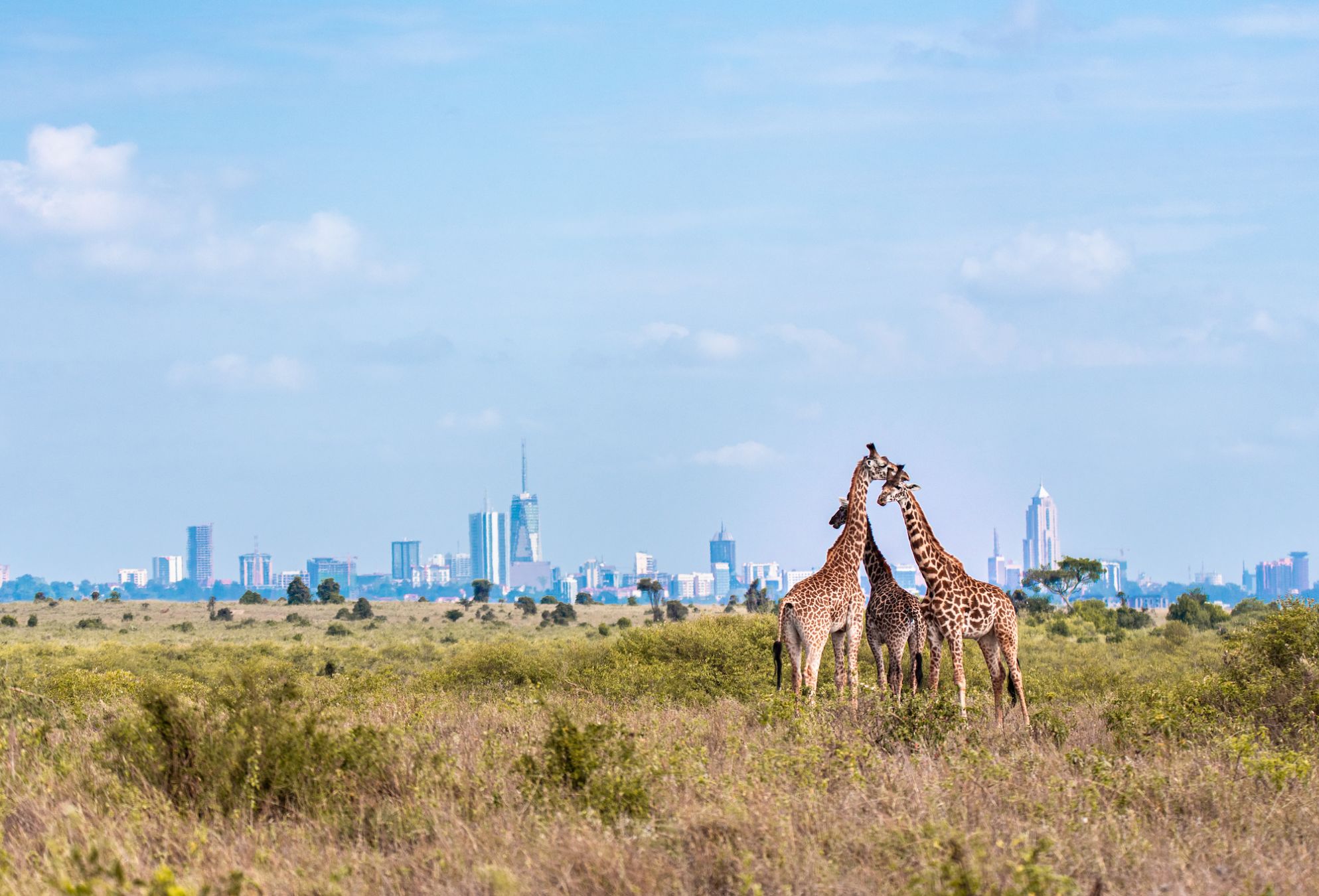
Kenya leads as the largest economy in East Africa, with an estimated GDP of $132 billion. Its economy is diversified, driven by agriculture, finance, tourism, technology, and infrastructure. Nairobi remains a regional financial hub and a leader in digital innovation through fintech and mobile money.
2. Ethiopia – $117 Billion
Ethiopia ranks second, with a GDP of $117 billion. Its economy is supported by agriculture, manufacturing, and construction, with Addis Ababa serving as a political and diplomatic hub. Despite challenges, Ethiopia’s ongoing infrastructure investments continue to shape its long-term prospects.
3. Tanzania – $85 Billion
At third place is Tanzania with a GDP of $85 billion. The country’s growth is anchored in natural resources, agriculture, and tourism, with Zanzibar adding strong value through the hospitality sector. Investments in ports and logistics position Tanzania as a trade gateway.
4. Uganda – $64 Billion
Uganda holds fourth place with $64 billion. Its economy is powered by agriculture, services, and a growing oil sector. Kampala’s expanding urban economy and regional trade networks make Uganda a rising force in East Africa’s markets.
5. Sudan – $32 Billion
Sudan, despite political and economic hurdles, remains in the top five with $32 billion. Agriculture and gold exports continue to contribute significantly, though stability and reforms remain key to future growth.
6. Madagascar – $18 Billion
Madagascar ranks sixth, with $18 billion. Known for agriculture, mining, and unique biodiversity, its economy is gradually expanding, supported by tourism and international trade.
7. Mauritius – $15 Billion
Mauritius, with $15 billion, is a small but highly competitive economy. Its services sector, particularly finance, ICT, and tourism, drives growth, making it one of the most developed economies in the region relative to its size.
8. Rwanda – $14 Billion
Rwanda comes eighth with $14 billion. Its economy has been praised for reforms, digital innovation, and investment in infrastructure. Kigali’s vision for a knowledge-based economy makes Rwanda a rising star in East Africa.
9. Somalia – $13 Billion
Somalia holds the ninth spot with $13 billion. Agriculture, remittances, and trade play crucial roles, though the economy remains challenged by instability. Its location, however, offers strategic opportunities in regional trade.
10. Burundi – $6 Billion
Burundi closes the list with $6 billion. Despite being the smallest among East Africa’s top ten economies, it continues to rely heavily on agriculture. Efforts to diversify and strengthen governance will be crucial for future growth.
Regional Overview
Kenya, Ethiopia, Tanzania, and Uganda together account for a significant portion of East Africa’s total economic output. These four economies shape the region’s policies, investment flows, and trade dynamics. The diversity of sectors—from agriculture and mining to finance, technology, and tourism—illustrates the region’s resilience.
However, forecasts remain subject to change, influenced by internal factors such as governance and infrastructure development, as well as external ones like commodity prices, global demand, and geopolitical stability.
Conclusion
The top ten economies in East Africa reflect a region that is both vibrant and complex. Kenya leads as the economic powerhouse, followed by Ethiopia, Tanzania, and Uganda. Smaller nations like Rwanda and Mauritius continue to shine through innovation and strategic positioning, while others like Somalia and Burundi remain focused on overcoming structural challenges.
East Africa’s collective future is poised for growth, with opportunities in digital transformation, regional integration, and sustainable development shaping the path forward.