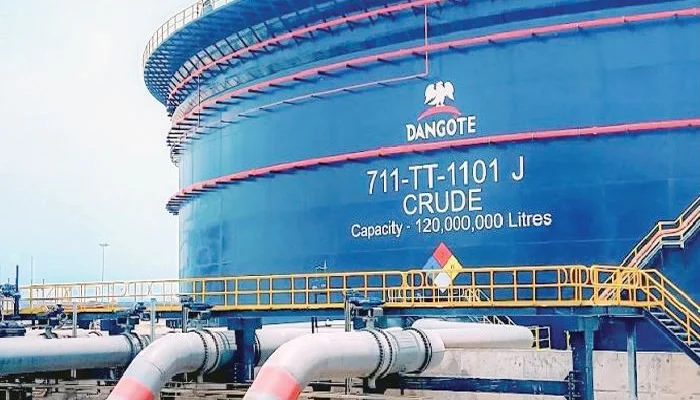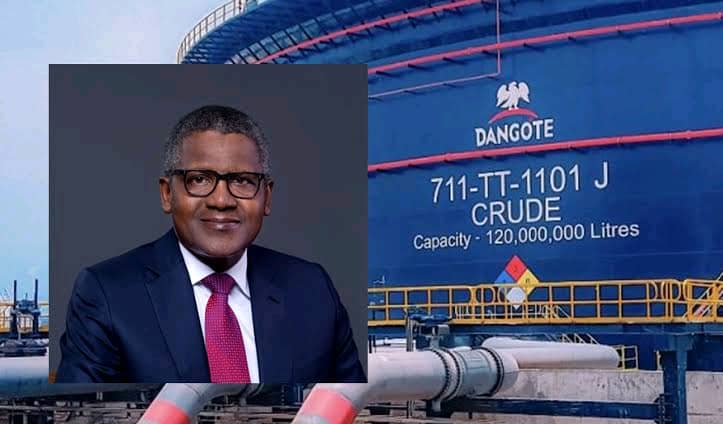
Dangote blue economy initiatives could create more than 500,000 jobs if Nigeria accelerates investment across fisheries, aquaculture, processing, logistics and export infrastructure, according to the President of Dangote Industries Limited, Aliko Dangote. He said stronger collaboration between government and private investors would transform the marine sector into a major driver of economic growth.
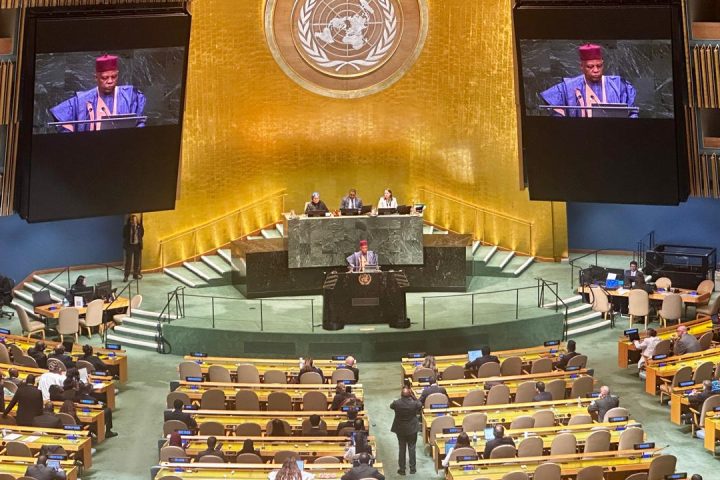
Dangote made the remarks in Lagos during the Second Quarter 2026 Citizens’ and Stakeholders’ Engagement organised by the Federal Ministry of Marine and Blue Economy. The event focused on implementing Nigeria’s National Policy on Marine and Blue Economy and attracted government officials, development partners, academics, diplomats and private sector leaders.
Represented by the Managing Director of Dangote Port Operations, Simeon Omole, Dangote said Nigeria possesses significant opportunities within the fisheries value chain that remain largely untapped despite growing domestic demand.
He explained that strategic private investment would strengthen food security, reduce imports, conserve foreign exchange and create sustainable employment opportunities nationwide.
Dangote blue economy strategy focuses on fisheries
According to Dangote, Nigeria should view fisheries not only as a food security issue but also as a major industrial and investment opportunity.
He said investment across aquaculture, hatcheries, feed production, processing facilities, cold-chain logistics and export infrastructure could unlock significant economic benefits.
Furthermore, he noted that expanding these sectors would reduce the country’s dependence on imported fish, which currently costs Nigeria nearly one billion dollars annually because of domestic supply shortages.
Dangote added that private sector leadership, supported by favourable government policies, would be essential to achieving these objectives.
Private investment to drive industrial growth
The Dangote blue economy proposal emphasises that lasting industrial transformation depends on policy consistency, quality infrastructure, investor confidence and easier access to finance.
According to Dangote, infrastructure-led industrialisation, value-chain development and stronger public-private partnerships represent the three pillars needed to unlock Nigeria’s marine economy.
He explained that recently approved deep seaport projects across different parts of the country could stimulate industrial clusters supporting agro-processing, petrochemicals, shipbuilding, maritime technology and cold-chain logistics.
These developments, he said, would improve Nigeria’s competitiveness while attracting long-term domestic and foreign investment.
Dangote blue economy supports national policy
Dangote noted that the successful implementation of the National Policy on Marine and Blue Economy would depend largely on sustained private sector participation.
He said the policy aims to create three million jobs within its first four years while achieving annual sectoral growth of seven per cent.
In addition, the policy seeks to reserve at least half of all newly created jobs for young Nigerians between the ages of 18 and 35.
According to Dangote, achieving these ambitious targets requires strategic cooperation between governments, investors, research institutions and coastal communities rather than relying solely on public funding.
Minister calls for stronger collaboration
The Minister of Marine and Blue Economy, Adegboyega Oyetola, also urged state governments, development partners and private investors to accelerate implementation of the national policy.
He said many of Nigeria’s marine resources are located within coastal states, making sub-national governments essential partners in attracting investment, creating jobs and improving food security.
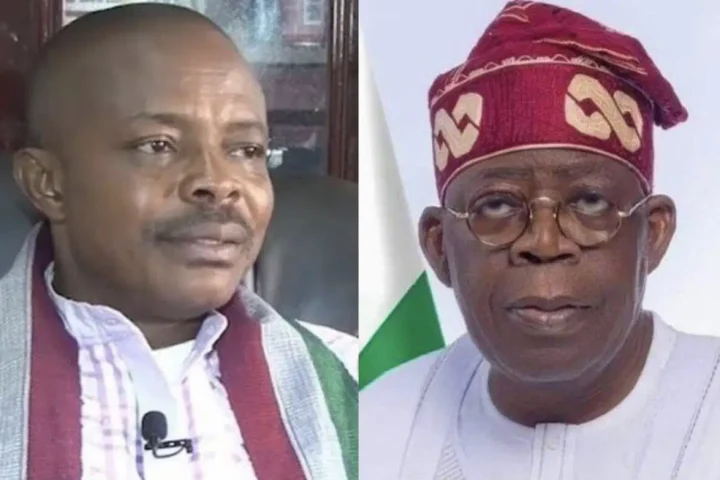
Oyetola explained that reforms introduced under President Bola Tinubu’s Renewed Hope Agenda have improved stakeholder engagement, strengthened maritime safety and increased the competitiveness of Nigerian ports.
He added that ongoing port modernisation projects and new deep seaports planned for Akwa Ibom, Bayelsa, Cross River, Lagos and Ondo states would further position Nigeria as West Africa’s preferred maritime hub.
States urged to embrace marine investment
The Dangote blue economy vision received further support from Bayelsa State Governor, Senator Duoye Diri, who described the creation of the Federal Ministry of Marine and Blue Economy as a strategic step toward diversifying Nigeria’s economy.
Diri noted that Bayelsa established its own Ministry of Marine and Blue Economy in 2024 to support the state’s long-term development agenda.
He disclosed that the Bayelsa Aquaculture Village has already commenced large-scale fish production through an operational hatchery producing quality catfish fingerlings and juveniles.
The governor also highlighted efforts to expand marine transportation and develop the proposed Agge Deep Seaport. Furthermore, he encouraged coastal states to establish dedicated marine ministries, strengthen legislation, invest in maritime infrastructure, improve data collection and promote innovation within the sector.
The Dangote blue economy proposal reinforces the growing belief that stronger collaboration between government and private investors can unlock Nigeria’s vast marine resources. Stakeholders believe sustained investment in fisheries, maritime infrastructure and coastal industrial development could create hundreds of thousands of jobs while reducing imports, boosting exports and supporting long-term economic diversification.