The African oil price impact is becoming increasingly visible as global crude prices surge following the recent conflict involving the United States, Israel, and Iran. Higher oil prices are expected to strengthen the economies of a few oil-exporting nations while placing pressure on several oil-importing countries across sub-Saharan Africa.
According to economic analysis, the African oil price impact will vary significantly across the region. Countries that export crude oil are likely to benefit from higher export revenues. In contrast, nations that depend heavily on imported fuel may experience worsening trade balances and rising economic pressures.
Economic forecasts suggest that if oil prices stabilize around $85 per barrel, only a handful of sub-Saharan African economies will see clear improvements in their external accounts. Angola, Nigeria, and Ghana are expected to gain from stronger export earnings and improved current account balances.
These countries produce and export crude oil as a major part of their economic activity. Therefore, rising oil prices typically boost government revenues and foreign exchange inflows. As export earnings grow, the African oil price impact becomes positive for these energy-producing economies.
Angola stands to benefit significantly because crude oil remains the backbone of its economy. Oil exports account for the majority of its foreign revenue. Consequently, higher prices can strengthen public finances and improve the country’s trade balance.
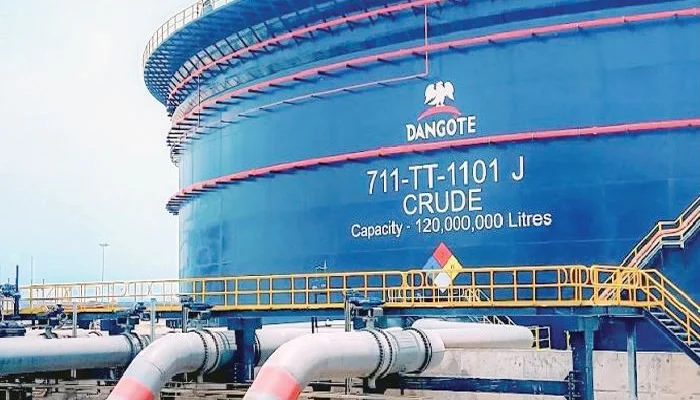
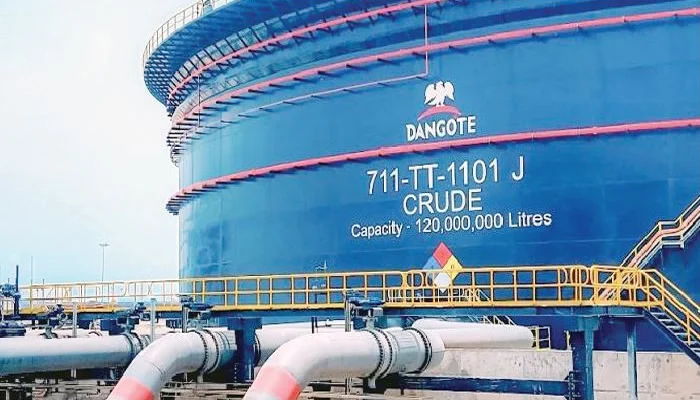
Nigeria, Africa’s largest oil producer, may also see economic relief from higher crude prices. Oil exports generate a large share of Nigeria’s foreign exchange earnings. As prices rise, the country could see stronger inflows of hard currency.
In addition, improved export revenues may help Nigeria stabilize its currency and support government spending. The African oil price impact therefore provides short-term fiscal breathing space for the country.
Ghana is another oil-producing economy expected to benefit from higher crude prices. Although Ghana’s oil sector is smaller than Nigeria’s or Angola’s, oil exports still play an important role in the country’s economic stability. Higher oil prices could therefore improve Ghana’s current account balance.
However, the situation is very different for many other African economies. Several countries rely heavily on imported fuel to power transportation, electricity generation, and industrial production. For these economies, rising oil prices increase import costs and place pressure on national budgets.
The African oil price impact is expected to negatively affect major economies such as South Africa and Kenya. Both countries import large volumes of crude oil and refined petroleum products. When global oil prices rise, their import bills increase significantly.
South Africa, for example, depends heavily on imported crude oil for its energy needs. Higher oil prices often lead to increased fuel costs for consumers and businesses. This can raise inflation levels and reduce household purchasing power.
Kenya faces similar challenges. The country imports most of its petroleum products to meet domestic demand. As oil prices climb, transportation and production costs increase across the economy. These rising costs can slow economic growth and widen the country’s trade deficit.
The African oil price impact is also expected to weigh on the Democratic Republic of Congo. Although the country has abundant mineral resources, it still depends on fuel imports for energy and transportation. Higher oil prices therefore increase operating costs across key sectors of the economy.
In many African countries, fuel costs influence the price of nearly every essential product. Transportation expenses affect the cost of food, construction materials, and manufactured goods. Therefore, rising oil prices often trigger broader inflation across the economy.
Furthermore, governments may face additional pressure to subsidize fuel prices to protect consumers from rising costs. These subsidies can strain public finances and increase fiscal deficits. As a result, the African oil price impact can extend far beyond the energy sector.
At the same time, geopolitical tensions in the Middle East continue to drive uncertainty in global energy markets. The conflict involving the United States, Israel, and Iran has raised fears of potential supply disruptions. Such disruptions could push oil prices even higher.
Global oil markets react quickly to geopolitical risks because supply shortages can rapidly affect prices. Therefore, any escalation in regional conflicts could intensify the African oil price impact across the continent.
For oil-exporting countries, higher prices provide an opportunity to strengthen economic stability. Governments can use increased revenues to support infrastructure projects, stabilize currencies, or reduce debt levels.
However, economists often warn that reliance on oil revenues also carries risks. Oil prices can fluctuate sharply due to global market conditions. Therefore, countries that depend heavily on oil exports may experience economic volatility.
For oil-importing nations, the situation requires careful economic management. Governments may need to implement policies that reduce energy dependence or improve efficiency in fuel consumption. Expanding renewable energy investments can also help reduce exposure to global oil price shocks.
The African oil price impact highlights the importance of economic diversification across the continent. Countries that rely on a single commodity often face greater vulnerability to global price fluctuations.
Over the long term, African economies may benefit from investing in manufacturing, agriculture, and renewable energy sectors. Diversified economies are generally better equipped to withstand global commodity price changes.
Ultimately, the current surge in oil prices underscores the uneven effects of global energy markets across Africa. While oil exporters may gain from higher revenues, many other economies will struggle with rising import costs.
As global geopolitical tensions continue to influence energy markets, policymakers and investors across Africa will closely monitor oil price trends. The evolving African oil price impact will remain a key factor shaping economic conditions across the region in the months ahead.