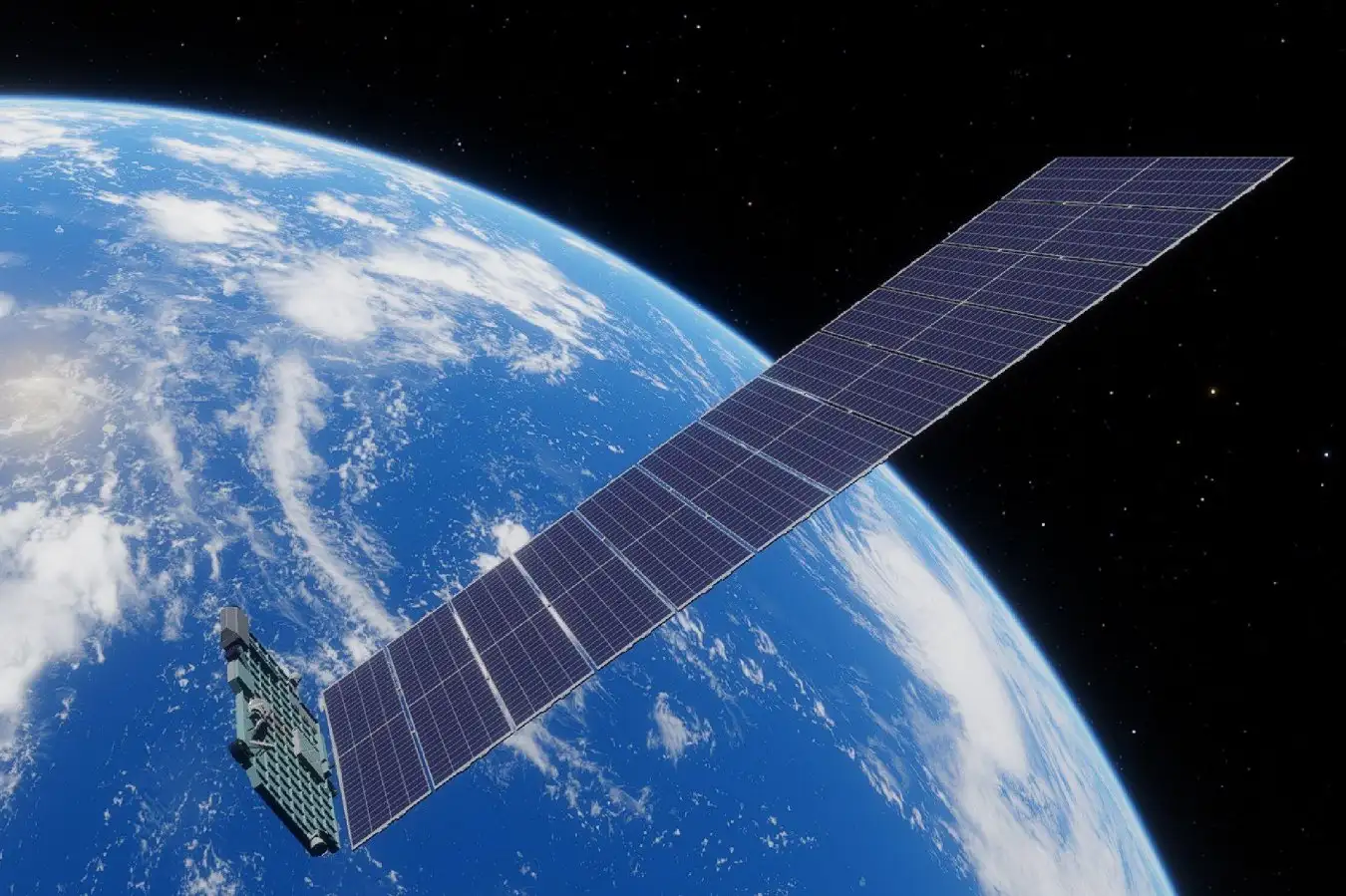
Airtel Africa has signed a landmark deal with SpaceX to launch Starlink’s Direct-to-Cell satellite connectivity across all 14 of its markets—including Nigeria, Kenya, and Senegal. As a result, the move will bring mobile service to rural and remote areas that currently lack traditional cell towers.
Under this agreement, smartphones will connect directly to satellites without needing ground-based infrastructure. Specifically, the service will go live in 2026. Initially, it will support text messaging and limited data for essential apps like emergency alerts and basic internet services.
Later on, the companies plan to roll out high-speed broadband using next-generation Starlink satellites. These satellites can deliver internet speeds up to 20 times faster than current options in underserved regions. However, deployment will depend on regulatory approvals in each country.
In a statement, Airtel Africa CEO Sunil Taldar called the deal a game-changer. “Airtel Africa remains committed to delivering a great experience by improving access to reliable, contiguous connectivity,” he said. He added that Starlink’s technology complements the company’s terrestrial network and reaches places where building towers is too costly or difficult.
Because of this, the Airtel Africa Starlink partnership makes Airtel the first mobile operator in Africa to offer Direct-to-Cell services. Moreover, the company serves about 174 million customers. Therefore, it sees satellite technology as a critical tool to close the digital divide.
Notably, Starlink’s Direct-to-Cell network already has more than 650 satellites in low-Earth orbit. This system supports messaging, data, voice, and video in “dead zones” worldwide. According to Stephanie Bednarek, Starlink VP of Sales: “For the first time, people across Africa will stay connected in remote areas where terrestrial coverage cannot reach. We’re thrilled this service can be life-changing.”
She went on to say that the partnership will also bring next-generation broadband to speed up access to education, health, and financial services. In her view, this could transform daily life for millions.
Meanwhile, the Airtel Africa Starlink partnership follows similar global rollouts. For example, in the U.S., T-Mobile already offers Starlink texting to compatible phones. Similarly, in Ukraine, Kyivstar launched SMS via satellite in 2024 and has since expanded to voice and data—making it Europe’s first nationwide Direct-to-Cell service.
Looking ahead, Airtel and SpaceX aim to ensure no African user is left offline. Indeed, the Airtel Africa Starlink partnership could reshape mobile access across the continent. Ultimately, it may turn ordinary smartphones into lifelines in the most isolated regions.
In conclusion, this collaboration marks a major step toward universal connectivity. With satellite tech bridging the last gaps, the Airtel Africa Starlink partnership promises not just coverage—but inclusion.
READ: Police Hunt Lagos Driver Over Realtor’s Death, Recover Vehicle