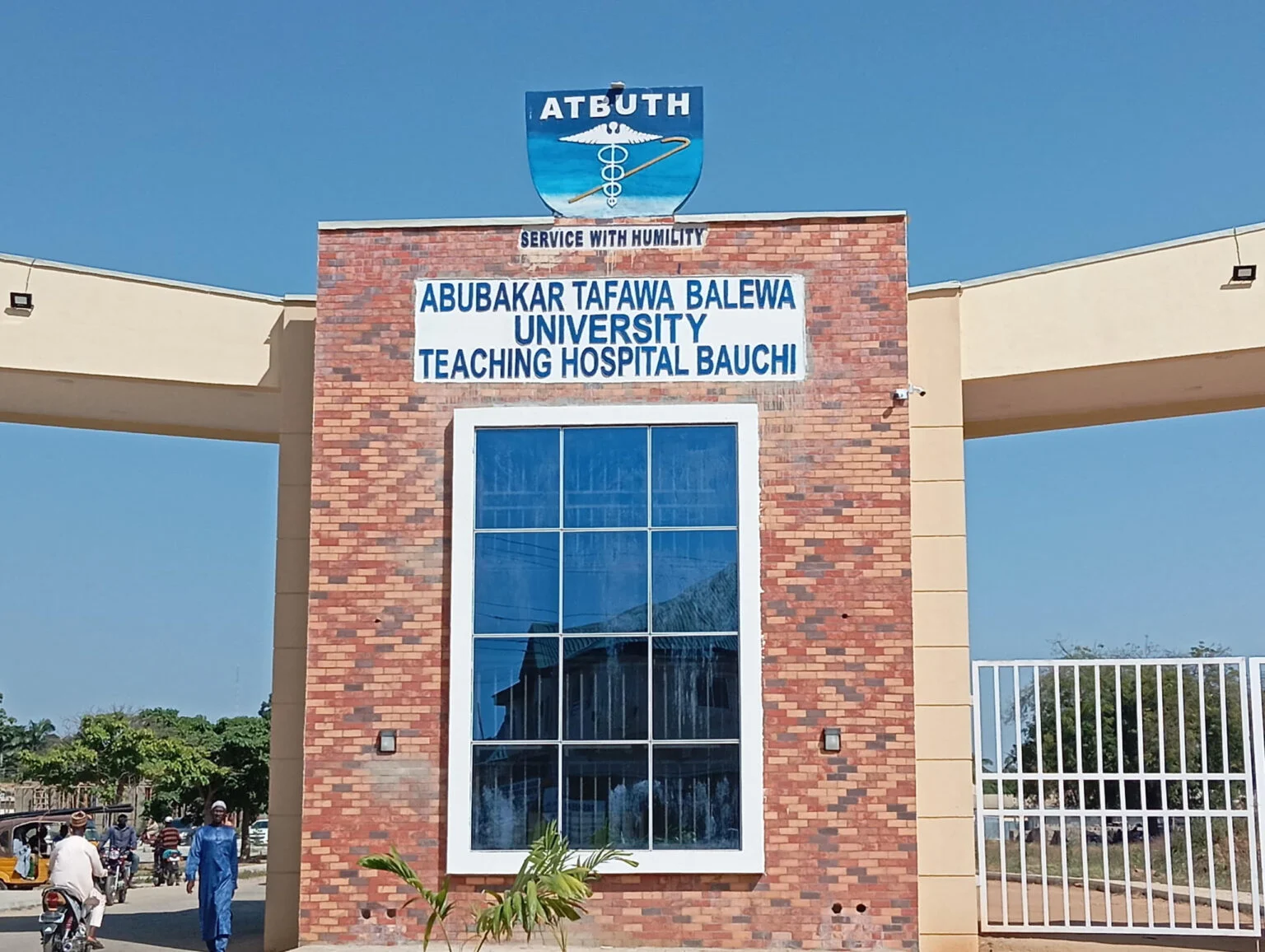
The Abubakar Tafawa Balewa University Teaching Hospital (ATBUTH) in Bauchi has uncovered a fraud scheme on its premises and recovered ₦27,000 that an impostor extorted from a patient’s family. This ATBUTH extortion scam triggered immediate action from hospital authorities.
Usman Koli, Head of the hospital’s Public Relations and Protocol Unit, issued a press statement on Wednesday. He said the hospital’s SERVICOM Unit discovered the fraud during a routine night surveillance operation. The team arrested an old man who had been posing as a staff member and demanding money from patients’ relatives.
Koli explained that the suspect looked calm and trustworthy. Nevertheless, officers caught him after he collected ₦45,000 from the family of a gunshot victim. He had falsely claimed they needed to pay ₦5,000 for a “hospital smart card” and ₦40,000 for “drugs.”
Investigators quickly found that ATBUTH issues smart cards free of charge. They also confirmed the real cost of the required medications was only ₦18,150. This meant the impostor had overcharged the family by ₦26,850—rounded to ₦27,000 in official records. The hospital recovered the full excess amount.
Police now hold the suspect for investigation and prosecution. In response, ATBUTH’s Chief Medical Director, Prof. Yusuf Bara, praised the SERVICOM team for its vigilance. He reaffirmed the hospital’s zero-tolerance stance on extortion, impersonation, and sharp practices.
Prof. Bara urged patients and visitors to stay alert. He asked them to report any suspicious individuals or unofficial payment demands to SERVICOM desks or hospital officials. “We will keep strengthening surveillance to protect patients and ensure transparency,” he said.
The hospital also warned the public about fraudsters who impersonate staff to collect money. These individuals often promise jobs or fast-track medical appointments. Management stressed that no employee or agent may collect cash, gifts, or favors for such services.
Anyone who has already paid money under false pretenses should report it immediately to the Public Relations and Protocol Unit with full details. The hospital warned that failure to report could lead to legal consequences.
This ATBUTH extortion scam highlights the persistent risk of healthcare fraud in Nigeria. It also shows how internal watchdog units like SERVICOM can safeguard public trust.
In a related case, the Federal High Court in Abuja recently convicted David Udensik—also known as Dr. Jacob Bello—for a $1 million oil fraud. According to Force Public Relations Officer Benjamin Hundeyin, a U.S. energy company filed the petition after he tricked them with fake crude oil deals.
While unrelated to ATBUTH, the conviction reflects a wider pattern of impersonation scams across Nigeria. Public institutions, especially hospitals, remain vulnerable—making vigilance essential.
As ATBUTH strengthens its anti-fraud systems, this ATBUTH extortion scam serves as both a warning and a sign of accountability. Patients must remember: if a payment request seems unofficial, question it—and report it right away.
The hospital’s swift response proves it takes corruption seriously. And with continued public cooperation, such scams can be stopped before they harm more families.
READ: Cholera Outbreak in Northwest Nigeria Kills Eight, Infects Over 200