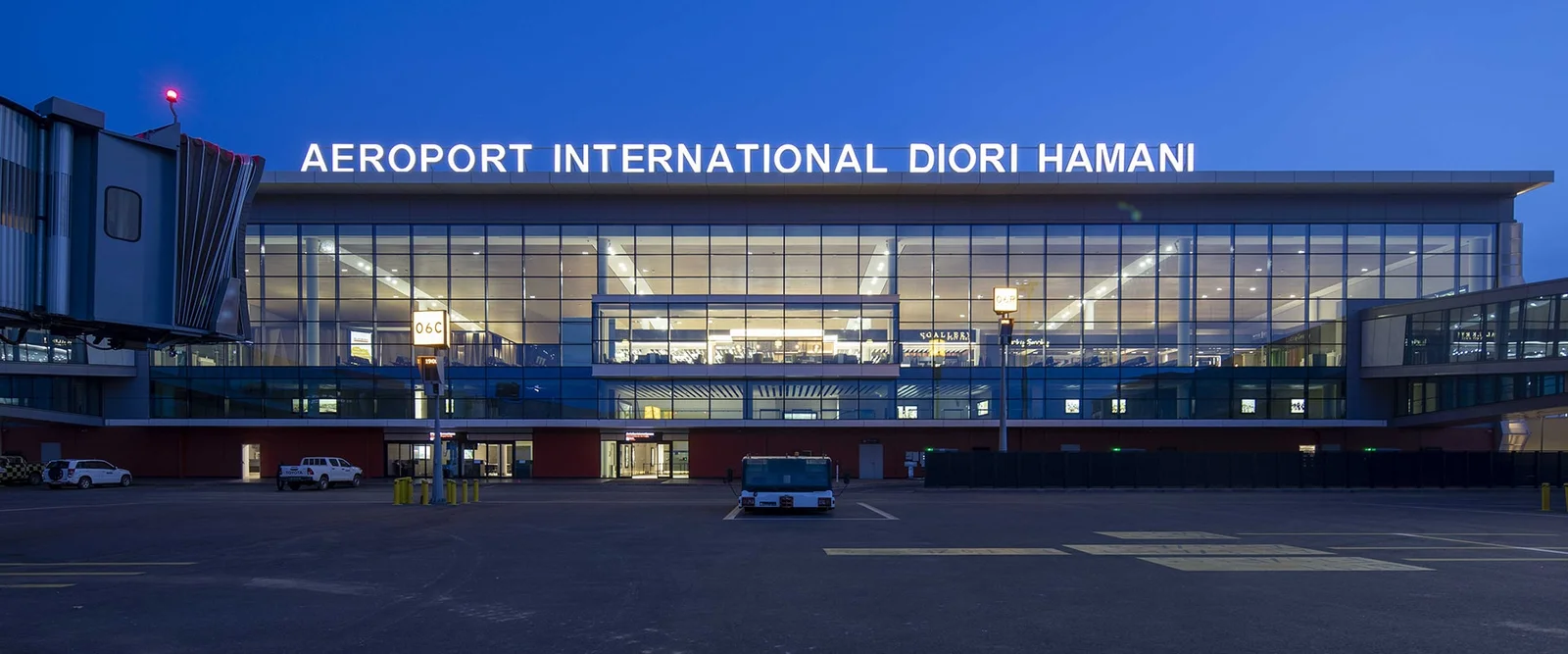
A terrorist attack in Niger shook the capital late Wednesday night, as gunfire and explosions erupted near Niamey’s international airport. According to two security sources, the incident was a coordinated assault that began shortly before midnight and lasted over an hour. By Thursday morning, calm had returned to the city of 1.5 million, though security forces heavily patrolled a cordoned-off area near the airport.
Businesses and schools reopened as usual on Thursday. Most residents moved about freely, but authorities maintained a strong presence along major roads—especially those leading to the airport. A Reuters witness confirmed the heightened security and described hearing sustained gunfire for more than 60 minutes. Social media footage showed the night sky lit by flashes, although Reuters has not verified the video independently.
Security sources said the attack followed an internal alert about an imminent threat to the airport. In response, officials had already reinforced defenses at the site. Importantly, they confirmed that a stockpile of uranium yellowcake stored at the airport remained untouched. This material—about 1,000 metric tons—was moved from the Somair mine in Arlit to Niamey late last year after Niger’s military government seized the mine from French nuclear company Orano. Yellowcake is a key raw material for nuclear fuel and requires careful handling and protection.
The presence of such a valuable and sensitive material likely made the airport a high-value target. However, the attackers did not breach the secured storage area. Still, the attempt underscores the growing boldness of extremist groups in the region.
Niger, like its neighbors Mali and Burkina Faso, faces persistent threats from jihadist factions linked to al Qaeda and the Islamic State. Over the past few years, these groups have killed thousands and displaced millions across the Sahel. Moreover, foreign nationals have increasingly become targets. In October, militants kidnapped an American missionary in Niamey. Last year, five Indian citizens, a Swiss national, and an Austrian were also abducted in remote areas.
The military government, which took power in a July 2023 coup, has yet to issue an official statement. Nonetheless, the swift security response suggests it anticipated such a threat. Given the strategic importance of the airport and the uranium cache, future attacks remain a serious concern.
In summary, this terrorist attack in Niger highlights both the vulnerability of critical infrastructure and the expanding reach of extremist networks. While the immediate threat was contained, the incident serves as a stark reminder of the ongoing instability in the Sahel—and the urgent need for stronger regional cooperation and intelligence sharing to prevent further escalation.
READ: Standard Bank Funds Aradel Energy’s $250M Expansion in Nigeria