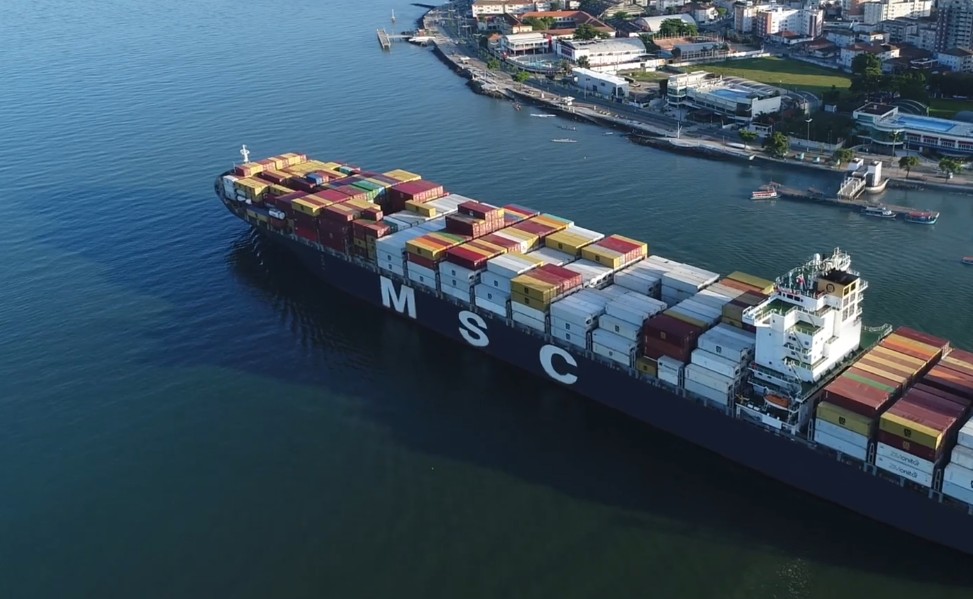
The MSC Snake Island Terminal agreement signals a major investment in Nigeria’s maritime infrastructure. Mediterranean Shipping Company has partnered with Nigerdock to develop a large container facility in Lagos. The long-term project will expand port capacity, attract foreign investment, and strengthen Nigeria’s logistics network.
Mediterranean Shipping Company and Nigerdock signed a 45-year sub-concession agreement for the project. The partnership allows MSC to develop, operate, and maintain a dedicated container terminal inside Snake Island Port. The planned terminal will occupy about 30 hectares within the port complex.
Nigerdock’s Chief Marketing Officer, Kevin Johnson-Azuara, confirmed the development in a statement. He explained that the MSC Snake Island Terminal forms part of a broader effort to modernize Nigeria’s port infrastructure. The project also responds to rising demand for efficient container facilities in West Africa.
Construction teams will complete the MSC Snake Island Terminal by 2028. The facility will include a 910-meter quay designed to accommodate modern container vessels. Engineers will install six ship-to-shore cranes to handle container operations.
The terminal will also include two ship berths and three barge berths. These additions will support inland cargo transport and improve logistics efficiency. The port will operate with a draft depth of up to 18 meters. This depth will allow the facility to receive large container vessels operating on global shipping routes.
Industry analysts expect the MSC Snake Island Terminal to improve cargo handling efficiency in Nigeria. The new infrastructure will help reduce congestion at existing Lagos ports. It will also increase Nigeria’s container handling capacity as trade volumes grow.
Nigerdock Chief Executive Officer Maher Jarmakani described the agreement as a milestone for the company. He said the collaboration with MSC will create a world-class container terminal inside Snake Island Port.
According to Jarmakani, the partnership gives the world’s largest shipping line a strategic base in Nigeria. The project also brings significant foreign direct investment into the country’s maritime sector.
He added that the MSC Snake Island Terminal will support growth in Nigeria’s logistics and shipping industries. The investment will also strengthen the country’s role in regional trade.
MSC leadership also highlighted the importance of the project. MSC President Diego Aponte said the partnership reflects the company’s commitment to expanding maritime infrastructure in Africa.
He explained that the MSC Snake Island Terminal will improve service quality for shipping customers across Nigeria and the continent. According to Aponte, the terminal will open new opportunities in trade and logistics.
The facility will also generate local employment. Port operations, logistics services, and supporting industries will create new economic opportunities for surrounding communities.
Aponte emphasized that the terminal will strengthen Snake Island Port’s position in global shipping networks. Modern container facilities play a critical role in global supply chains. The new terminal will therefore help connect Nigeria more efficiently with international trade routes.
Snake Island Port already serves as an important maritime hub in Lagos. Nigerdock operates the port across an 85-hectare area. The facility currently includes three terminals that support cargo and logistics operations.
These terminals have expanded Lagos Port’s operational capacity over the years. The addition of the MSC Snake Island Terminal will further increase that capacity.
Nigerdock operates as an integrated maritime and logistics company in Nigeria. Its port complex includes a free zone that supports international trade with African markets.
Through projects such as the MSC Snake Island Terminal, the company aims to strengthen Lagos as a key logistics gateway in West Africa. Modern infrastructure will help attract more shipping lines and trade routes to the region.
Mediterranean Shipping Company brings extensive global experience to the partnership. The company operates from its headquarters in Geneva, Switzerland. Gianluigi Aponte founded MSC in 1970, and the company remains privately owned.
Today, MSC ranks among the world’s largest shipping and logistics companies. It operates about 1,000 vessels worldwide and maintains offices in 675 locations across 155 countries.
The company also maintains a strong presence in Africa. Since 1971, MSC has helped customers move goods to and from the continent.
MSC currently operates local offices in more than 45 African countries. The company also provides integrated logistics services that combine shipping, road transport, and rail connections.
The MSC Snake Island Terminal therefore represents a strategic expansion of MSC’s African network. By investing in modern port infrastructure, the company strengthens supply chains across the region.
For Nigeria, the project signals growing international confidence in the country’s maritime sector. The terminal will improve cargo efficiency, support trade growth, and attract new shipping routes.
When construction finishes in 2028, the MSC Snake Island Terminal will stand as one of the most significant port infrastructure projects in West Africa. The facility will help position Nigeria as a stronger hub in global maritime trade while supporting the long-term development of the country’s logistics economy.