The Boko Haram insurgency remains one of the most significant security challenges in Nigeria and the broader Lake Chad region. For more than a decade, the militant group has waged an insurgency against the Nigerian government, creating widespread devastation, displacing millions, and threatening the stability of several African countries. Although the Nigerian military has made strides in countering Boko Haram’s operations, the insurgency remains a formidable force. The group’s reach has expanded beyond Nigeria’s borders, complicating efforts to defeat it.
In this article, we will examine the origins of Boko Haram, the ongoing conflict with the Nigerian military, the humanitarian crisis it has caused, and the strategies employed by the Nigerian military and regional forces to curb its influence. We’ll also analyze the regional impact of Boko Haram and explore the broader efforts needed to bring lasting peace to the region.
Origins of Boko Haram: From Religious Movement to Armed Insurgency
Boko Haram, which means “Western education is forbidden” in the Hausa language, was founded in 2002 by Mohammed Yusuf, a radical cleric who sought to establish an Islamic state governed by Sharia law in Nigeria. Initially, the group was more of a religious movement with a focus on rejecting Western values and education, which it viewed as corrupting influences on Nigerian society. The group operated largely in northern Nigeria, gaining followers in an area already characterized by high levels of poverty, unemployment, and underdevelopment.
Boko Haram’s early activities centered on preaching against the Nigerian government and its secular institutions. Yusuf’s rhetoric became increasingly militant, and by 2009, the group’s activities escalated to violent confrontations with Nigerian security forces. Following a crackdown on Boko Haram’s activities in 2009, during which Mohammed Yusuf was killed in police custody, the group shifted toward a more violent and insurgent strategy. Under the leadership of Abubakar Shekau, Boko Haram evolved into a full-fledged militant group, taking responsibility for several high-profile attacks, including bombings, assassinations, and the kidnapping of civilians.
The group’s primary goal shifted from a purely religious movement to the establishment of an Islamic state, using violent means to achieve its objectives. Boko Haram’s insurgency officially began in 2010, and since then, it has grown into one of the deadliest and most disruptive terrorist organizations in the world.
The Nigerian Military’s Response: Counterinsurgency Efforts
The Nigerian military, along with local law enforcement agencies, has been engaged in a protracted battle against Boko Haram since the group first began its violent insurgency. The conflict has been marked by several key phases, including early attempts at peace negotiations, escalations in military responses, and a growing regional dimension as the insurgency spread to neighboring countries such as Chad, Cameroon, and Niger.
The Nigerian Army’s Strategy
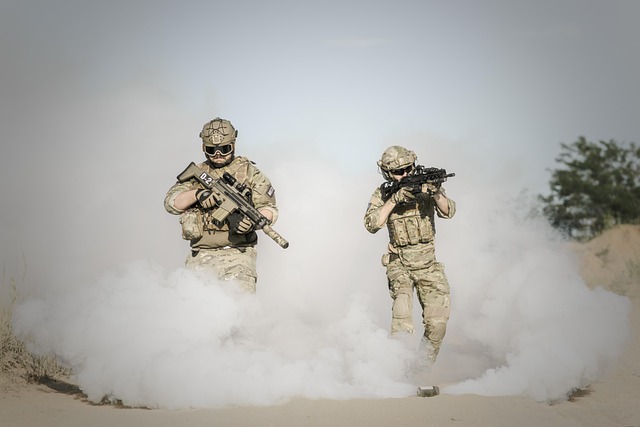
The Nigerian military has employed a variety of strategies to combat Boko Haram, ranging from conventional military operations to counterinsurgency tactics. In the early years of the conflict, the military relied heavily on offensive operations to recapture territory from the insurgents. This approach led to significant military engagements, such as Operation Lafiya Dole, which sought to push Boko Haram out of its strongholds in the northeastern states of Borno, Yobe, and Adamawa.
The Nigerian army has focused on recapturing territory, dismantling Boko Haram’s command structures, and targeting high-profile leaders. These efforts have had some success in pushing the militants out of urban centers and reducing their control over large swathes of territory. However, the group’s ability to carry out guerrilla-style attacks, such as ambushes and suicide bombings, has made it difficult to fully eradicate their presence.
Challenges in Counterinsurgency
Despite these efforts, the Nigerian military has faced numerous challenges in combating Boko Haram. One of the main issues has been the lack of adequate resources, training, and coordination. While the Nigerian army has made progress in certain areas, it has often been hampered by logistical difficulties, insufficient funding, and occasional human rights abuses. These factors have sometimes eroded local support for military operations and created tensions between the army and the civilian population.
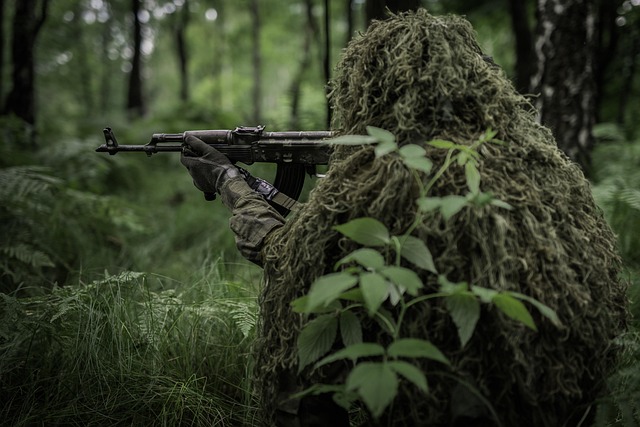
Additionally, Boko Haram’s decentralized structure has made it difficult for the military to identify and target the group’s leadership effectively. The militants have also adapted quickly to military tactics, switching to more asymmetric warfare strategies that involve ambushes, hit-and-run attacks, and the use of IEDs (improvised explosive devices).
Regional Military Collaboration
Recognizing that Boko Haram’s insurgency transcends national borders, Nigeria has worked closely with neighboring countries to address the threat. The Multinational Joint Task Force (MNJTF), consisting of military forces from Nigeria, Chad, Cameroon, and Niger, was established to combat Boko Haram in the Lake Chad Basin region. This collaboration has led to some successes, including the liberation of key towns and the killing or capture of several top Boko Haram leaders.
However, coordination between the regional forces has sometimes been inconsistent, with challenges in sharing intelligence and logistical support. The porous borders between these countries have also allowed Boko Haram to operate across multiple territories, further complicating efforts to defeat the group.
Humanitarian Crisis: The Toll on Civilians
The Boko Haram insurgency has created one of the most severe humanitarian crises in Africa. The group’s attacks have caused widespread displacement, death, and destruction. According to the United Nations, more than 2 million people have been displaced in the Lake Chad region due to the conflict, and over 37,000 people have been killed since the insurgency began.
Boko Haram’s tactics have included indiscriminate killings, the kidnapping of women and children (most notably the 2014 abduction of 276 schoolgirls from Chibok), and the destruction of villages and infrastructure. These acts of terror have not only caused immediate harm but have also contributed to long-term instability, making it difficult for the affected regions to recover.
The Nigerian government and humanitarian organizations have struggled to provide adequate relief to displaced populations, and many survivors of Boko Haram’s violence have faced poverty, trauma, and limited access to education and healthcare. The conflict has also created a breeding ground for other forms of extremism and criminality, further destabilizing the region.
Boko Haram’s Evolution: The Rise of ISWAP
While Boko Haram initially operated as a standalone entity, the group’s connection with the Islamic State (ISIS) has become more pronounced in recent years. In 2015, the Nigerian branch of Boko Haram pledged allegiance to ISIS, rebranding itself as the Islamic State’s West Africa Province (ISWAP). This shift marked a more radical phase for the group, with ISWAP adopting a more global jihadist ideology and focusing on establishing a caliphate in West Africa.
ISWAP’s emergence as a distinct faction has caused internal divisions within Boko Haram. In 2021, Abubakar Shekau, the leader of Boko Haram, reportedly died during a clash with ISWAP fighters, which further fragmented the group. Since then, ISWAP has taken the lead in many of the militant group’s operations, expanding its influence in the region.
ISWAP’s strategy has focused on consolidating control over the northeastern part of Nigeria and the Lake Chad region. Unlike Boko Haram, ISWAP has largely refrained from attacking civilians, preferring to focus on military targets. However, ISWAP’s expansion poses a significant challenge to both Nigeria and its regional partners, as it continues to threaten stability and security across borders.
The Path Forward: Can the Nigerian Military Prevail?
While the Nigerian military has made notable progress in its fight against Boko Haram and ISWAP, the insurgency is far from over. The Nigerian government has made efforts to bolster its military capabilities, with increased funding and cooperation from international allies. However, a military victory alone may not be enough to completely end the insurgency.
The key to long-term success will likely lie in a combination of military pressure, political solutions, and humanitarian aid. Addressing the root causes of the insurgency, such as poverty, unemployment, and lack of education, will be critical in preventing future generations from turning to extremism. Additionally, greater efforts will need to be made to rebuild communities, reintegrate displaced persons, and provide the basic services that are essential for recovery.
Regional cooperation will also remain crucial in the battle against Boko Haram and ISWAP. The Nigerian government will need to continue working closely with its neighbors to cut off the militants’ cross-border operations and dismantle their supply chains. Furthermore, the international community’s role in providing logistical, financial, and intelligence support will remain a critical component in Nigeria’s fight against terrorism.
A Long and Difficult Road Ahead
The Boko Haram insurgency remains one of the most complex and devastating conflicts in West Africa. While the Nigerian military has made significant strides in pushing back the insurgents, the ongoing threat of Boko Haram and ISWAP remains a serious concern. The humanitarian toll, the internal fragmentation of the insurgent groups, and the regional instability caused by the conflict only add to the complexity of the situation.
As the Nigerian military continues its battle against Boko Haram, it will need to adopt a multi-faceted strategy that combines military action with socio-economic development and regional cooperation. The road ahead is long, and success will depend on the ability to address the root causes of extremism while maintaining pressure on the militants. The international community’s continued support, coupled with stronger regional ties, will be vital in overcoming this formidable challenge and ultimately securing lasting peace for the people of Nigeria and the Lake Chad region.