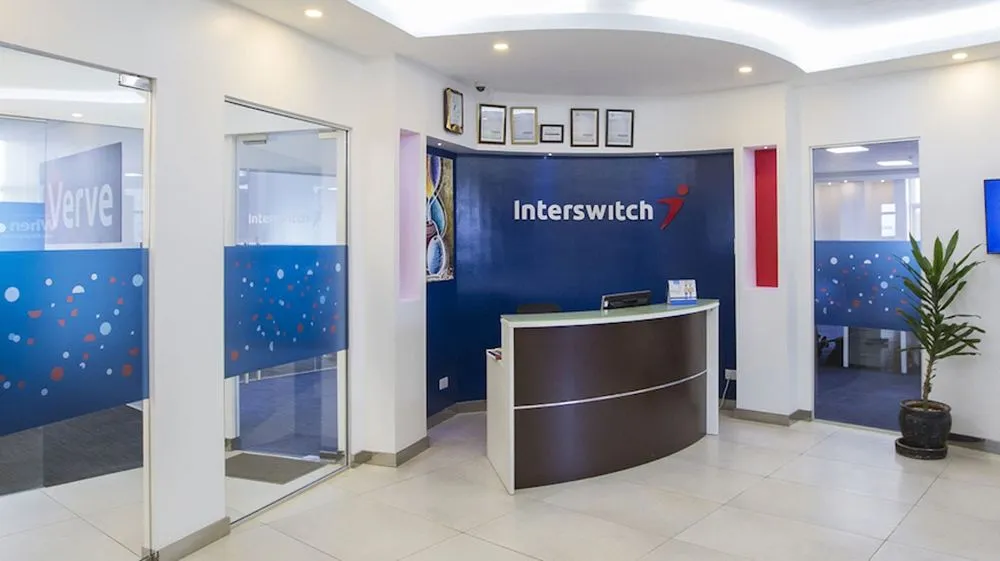
Nigeria has firmly established itself as Africa’s leading technology hub, and in 2026, fintech remains the strongest engine of that transformation. Across Nigeria, financial technology companies are reshaping how people save, spend, borrow, and invest. What began as a response to gaps in traditional banking has evolved into a sophisticated ecosystem driving economic growth, financial inclusion, and digital innovation at scale.
With a young population, high mobile penetration, and a strong entrepreneurial culture, Nigeria provides fertile ground for fintech innovation. In 2026, fintech is no longer a niche sector—it is a core pillar of the national economy.
Nigeria’s Fintech Evolution and Market Strength
Nigeria’s fintech journey accelerated in the late 2010s, but by 2026 the sector has reached a new level of maturity. Digital payments, mobile banking, lending platforms, and investment apps are now part of everyday life for millions of Nigerians.
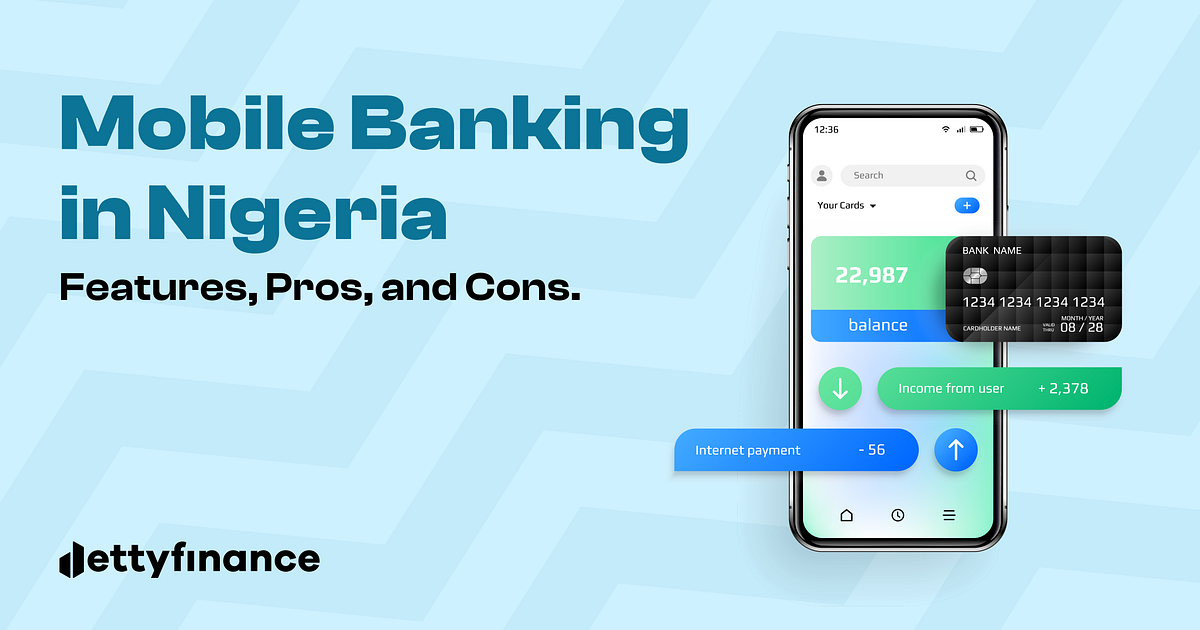
Cities like Lagos continue to anchor the ecosystem, hosting the majority of fintech startups, accelerators, and venture capital activity. However, innovation has expanded beyond major urban centers, reaching secondary cities and underserved regions through agent banking and mobile-based services.
This expansion has helped fintech firms tap into Nigeria’s vast informal economy, unlocking new users and revenue streams while strengthening economic participation.
Driving Financial Inclusion at Scale
One of the most significant contributions of fintech in Nigeria is financial inclusion. In 2026, millions of Nigerians who were previously excluded from formal banking now access financial services through mobile apps, USSD platforms, and agent networks.

Fintech companies have simplified onboarding processes, reduced costs, and designed products tailored to low-income and rural users. Agent banking, in particular, has played a critical role by allowing people to deposit, withdraw, and transfer money within their communities.
This inclusion has ripple effects across the economy. Small traders, farmers, and informal workers can now save securely, access microloans, and participate in digital commerce, increasing productivity and household resilience.
Digital Payments Powering Commerce
Digital payments remain the backbone of Nigeria’s fintech-driven growth. In 2026, cashless transactions dominate urban commerce, while hybrid cash-digital models thrive in semi-urban and rural areas. Payment solutions support everything from street vendors and transport operators to large retailers and online businesses.

Fintech firms have built robust infrastructure that enables instant transfers, QR payments, and seamless merchant services. This efficiency reduces transaction friction and supports the growth of e-commerce, logistics, and service-based businesses.
The rise of digital payments has also improved transparency and data collection, helping businesses track revenue and plan more effectively.
Fintech Lending and Credit Access
Access to credit has historically been a major challenge in Nigeria. In 2026, fintech lending platforms use data-driven models to assess creditworthiness beyond traditional collateral requirements. Transaction history, mobile usage, and behavioral data allow lenders to serve individuals and small businesses previously considered too risky.
These platforms support working capital for small and medium-sized enterprises, which are critical to job creation. Faster loan approvals and flexible repayment structures enable entrepreneurs to respond quickly to market opportunities.
While credit risk remains a concern, improved analytics and regulatory oversight have strengthened lending practices across the fintech sector.
Investment, Wealth, and Digital Assets
Fintech innovation in 2026 extends beyond payments and lending into wealth creation. Investment apps allow Nigerians to buy stocks, mutual funds, and government securities with minimal capital. This democratization of investing has broadened participation in wealth-building opportunities.
Digital savings platforms encourage disciplined saving through automated tools and goal-based products. As trust in fintech grows, more users rely on these platforms for long-term financial planning rather than short-term transactions alone.
These services contribute to deeper capital markets and a more financially literate population.
Regulation and Policy Support
The role of regulation has become increasingly important as fintech scales. In 2026, Nigeria’s regulatory environment continues to balance innovation with consumer protection. Clearer licensing frameworks and sandbox programs help startups test new products while maintaining system stability.
Regulatory clarity has also boosted investor confidence. International and local investors view Nigeria’s fintech sector as a long-term growth opportunity rather than a speculative market. This confidence fuels continued capital inflows and talent development.
Job Creation and Talent Development
Fintech growth has created thousands of direct and indirect jobs across Nigeria. Beyond software developers and product managers, the sector supports sales agents, customer support teams, compliance professionals, and data analysts.
In addition, fintech has stimulated demand for digital skills, encouraging education providers and training programs to focus on technology and entrepreneurship. This skills development strengthens Nigeria’s broader tech ecosystem and global competitiveness.
Challenges and the Road Ahead
Despite its success, Nigeria’s fintech sector still faces challenges. Infrastructure gaps, cybersecurity risks, and economic volatility require constant adaptation. Competition is also intensifying as new startups enter the market.
However, these challenges drive innovation rather than limit it. In 2026, fintech companies increasingly collaborate with traditional banks, telecom operators, and government agencies to scale responsibly and sustainably.
Conclusion
Tech innovation in Nigeria is inseparable from fintech’s rise. In 2026, fintech drives economic growth by expanding financial inclusion, powering digital commerce, improving credit access, and creating jobs. As technology, regulation, and consumer trust continue to align, Nigeria’s fintech sector stands as a model for how innovation can transform an economy from the ground up.