Africa cancer deaths continue to rise as healthcare experts warn that poor access to treatment, shortages of specialists and weak political commitment are leaving millions of patients without lifesaving care across the continent.
The warning was issued during the Best of ASCO Africa Conference, where medical professionals and policymakers called for stronger investment, better coordination and evidence-based healthcare policies to address Africa’s growing cancer burden.
Experts said despite major advances in cancer research worldwide, many African countries continue to struggle with late diagnosis, inadequate treatment facilities and a severe shortage of oncology professionals.
Africa cancer deaths linked to weak health systems
Director-General of the National Institute for Cancer Research and Treatment, Prof. Usman Aliyu, said Africa already understands the solutions needed to reduce cancer mortality but lacks effective implementation.
According to him, poor coordination among governments, healthcare institutions and development partners remains one of the biggest obstacles to improving cancer outcomes.
Aliyu stressed that stakeholders must move beyond discussions and focus on practical interventions that strengthen prevention, early diagnosis and timely treatment.
He noted that stronger collaboration would help improve patient outcomes while reducing avoidable deaths across the continent.
Experts call for data-driven investments
Healthcare specialists urged African governments to base cancer policies on reliable epidemiological data and economic evidence.
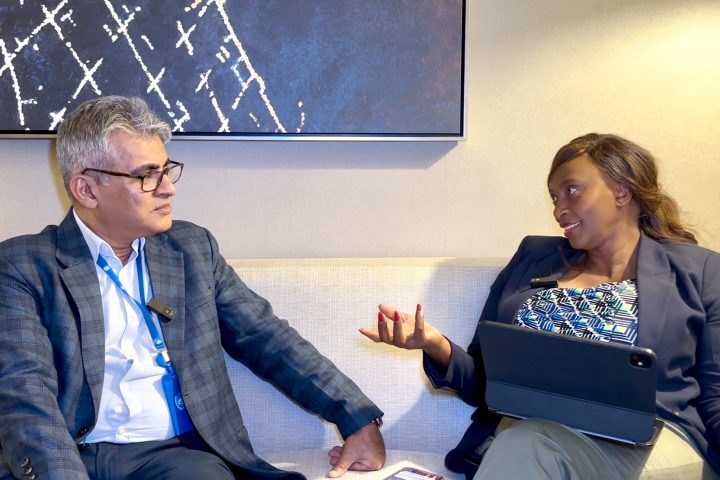
Director of Human Health at the International Atomic Energy Agency, Dr. May Abdel-Wahab, said countries should identify their most common cancers before making major investments in treatment infrastructure.
She explained that prevention remains the most cost-effective strategy but added that governments must also invest in diagnosis, treatment services and palliative care.
According to Abdel-Wahab, careful planning ensures limited healthcare resources deliver the greatest impact for patients.
Doctor shortage worsens cancer care
Medical experts identified the shortage of trained oncology professionals as another major factor driving Africa cancer deaths.
Oncologist at the Rwanda Cancer Centre, Dr. Theoneste Manirababa, said many patients spend months or even years moving through the healthcare system before receiving an accurate diagnosis.
By the time many patients reach specialist care, the disease has often advanced to stages where treatment becomes more difficult and expensive.
He also called on governments to strengthen health insurance systems to reduce the financial burden of cancer treatment on patients and their families.
Political commitment remains critical
National Coordinator of the National Cancer Control Programme at Nigeria’s Federal Ministry of Health and Social Welfare, Dr. Uchechukwu Nwokwu, said stronger political leadership is essential to reversing current trends.
He argued that cancer has yet to receive the level of attention required despite its growing impact across Africa.
Nwokwu added that many trained oncology professionals leave African countries because of poor infrastructure, inadequate equipment and limited opportunities to provide quality care.
He said governments must prioritise investments in prevention, screening, diagnosis, treatment facilities and workforce development.
Nigeria faces growing cancer burden
According to global health estimates, Africa records more than one million new cancer cases and over 700,000 cancer-related deaths each year.
The figures are expected to increase further due to population growth, ageing populations and rising exposure to cancer risk factors.
Nigeria remains one of the countries with the highest cancer burden in sub-Saharan Africa, recording an estimated 127,000 new cases and nearly 80,000 deaths annually.
Breast, cervical, prostate, liver and colorectal cancers remain among the most common forms of the disease in the country.
NICRAT expands early detection efforts
Aliyu said the National Institute for Cancer Research and Treatment has introduced several initiatives to improve cancer prevention and early diagnosis.
These include the National Initiative on Cancer Aiding Detection, Treatment and Referral Network as well as a Preventive Epidemiology Centre designed to expand access to screening services.
The institute also maintains a national cancer registry that collects patient information to improve disease surveillance, monitor treatment outcomes and support evidence-based policymaking.
Experts said sustained investment, stronger coordination among stakeholders and greater political commitment will be essential to reducing Africa cancer deaths as the continent works to strengthen healthcare systems and improve access to quality cancer treatment.