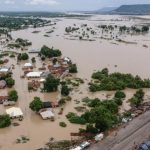
At least 110 people have died due to Nigeria floods after hours of torrential rain hit Mokwa town in Niger State. Floodwaters surged through neighborhoods, sweeping away more than 50 houses. Many residents had no time to escape.
The rainstorm lasted for hours, overwhelming the town. As a result, the flooding destroyed homes, blocked roads, and stranded families. Tiffin Maza and Anguwan Hausawa suffered the worst impact. Abullahi Baba-Arah, who leads the Niger State Emergency Management Agency (Nsema), said the flood tore through the area with violent force.
Mokwa’s District Head, Muhammad Shaba Aliyu, said this was the worst flood the community had seen in 60 years. He urged the government to deliver immediate help. Many people are now living in temporary shelters or staying with relatives.
Danjuma Shaba, a local fisherman, described the situation with despair. “I don’t have a house to sleep in,” he said. “My house has already collapsed.” His words reflect the suffering of many who lost everything.
The Nigerian government reacted quickly to the disaster. Minister of Information Mohammed Idris directed emergency teams to begin search and rescue operations. Agencies also started distributing food, water, and supplies to those affected. So far, they have reached dozens of households with aid.
Nigeria floods occur frequently during the rainy season from April to October. However, this year’s damage in Mokwa shows the rising intensity of extreme weather events. In 2022, floods across the country displaced 1.3 million people and caused over 600 deaths.
Experts believe poor planning worsens the crisis. They recommend urgent reforms, such as building better drainage systems, moving communities out of flood-prone areas, and installing early warning alerts. Without such action, future floods will cause more destruction.
Meteorologists have already warned that at least 15 states face similar threats in the coming weeks. Therefore, both federal and state governments must take preventive steps immediately. If they act now, they can reduce further damage and loss of life.
International organizations may also help. Groups like the UN Office for the Coordination of Humanitarian Affairs (OCHA) and the Red Cross plan to support relief efforts. Their collaboration with local agencies will speed up recovery and provide stability.
The consequences of Nigeria floods go beyond property damage. Lives are lost, families are torn apart, and communities face long-term disruption. Although rescue efforts continue, the tragedy in Mokwa serves as a warning. Nigeria must prepare better, act faster, and invest in climate resilience to protect its citizens.
READ: Kilembe mineral samples go missing, minister calls for investigation