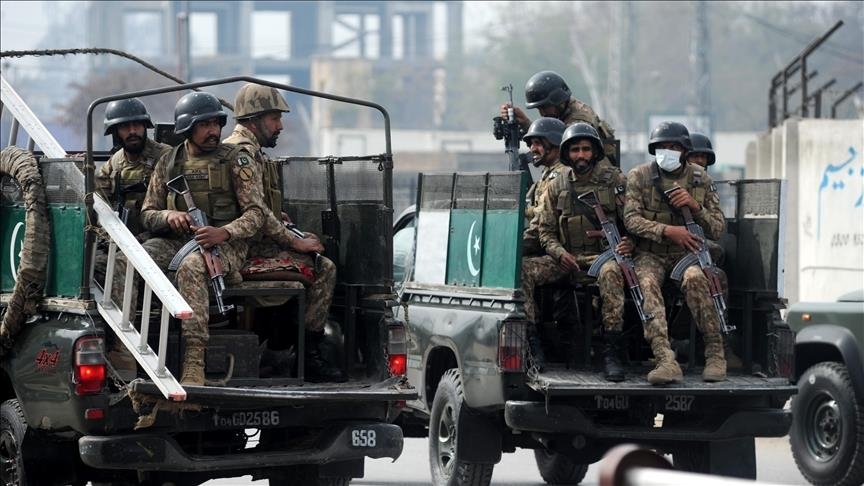
A wave of Pakistan militant attacks has killed nearly 20 police personnel and civilians across northwest Pakistan. Specifically, these incidents occurred over a 48-hour period in Khyber Pakhtunkhwa province. Consequently, security forces have launched counter-operations resulting in 26 militant fatalities. Moreover, two police officers remain missing after being kidnapped during the assaults. Therefore, this surge represents a significant escalation in regional instability.
Furthermore, most attacks were claimed by Tehreek-e-Taliban Pakistan. Indeed, this group has intensified operations since the Afghan Taliban’s 2021 return to power in Kabul. Thus, the Pakistan militant attacks reflect a broader pattern of cross-border militant activity. Additionally, Islamabad accuses Kabul of failing to restrain groups using Afghan territory for planning. Hence, diplomatic tensions have increased alongside the violence.
The geographic scope of the Pakistan militant attacks spans multiple districts within Khyber Pakhtunkhwa. Specifically, roadside bombings, ambushes, and raids have targeted security convoys and checkpoints. Consequently, these tactics exploit the region’s rugged terrain and porous borders. Moreover, civilian casualties underscore the humanitarian impact of the insurgency. Therefore, protecting communities remains a critical challenge for authorities.
In response, Pakistan’s military has conducted strikes against alleged militant hideouts across the border. However, these operations risk further straining relations with Afghanistan. Indeed, Kabul denies supporting anti-Pakistan elements. Thus, resolving the Pakistan militant attacks requires coordinated diplomatic and security efforts. Additionally, intelligence sharing between regional partners could enhance counter-terrorism effectiveness.
Economic and social factors also fuel instability in the affected regions. Specifically, limited development opportunities and historical grievances create recruitment pools for militant groups. Consequently, addressing root causes is essential for long-term peace. Furthermore, community policing initiatives can build trust between residents and security forces. Hence, a comprehensive strategy must blend security measures with socioeconomic investment.
The recent Pakistan militant attacks coincide with heightened border skirmishes between Afghan and Pakistani forces. Notably, exchanges of fire along the frontier have occurred multiple times this month. Therefore, miscalculation risks have increased amid already tense relations. Moreover, both nations share an interest in preventing full-scale conflict. Thus, de-escalation mechanisms and communication channels require urgent reinforcement.
Regional implications extend beyond immediate casualties. Specifically, sustained violence can disrupt trade routes and displace populations. Consequently, neighboring countries monitor the situation closely. Additionally, international partners may adjust aid and engagement strategies based on security trends. Hence, the Pakistan militant attacks carry significance for broader South Asian stability.
Counter-terrorism operations face inherent complexities in this environment. For instance, distinguishing militant elements from local communities demands precise intelligence. Therefore, human sources and technological surveillance must complement each other. Moreover, legal frameworks for detention and prosecution require consistency to uphold rule of law. Thus, capacity building for judicial and police institutions remains a priority.
Public communication during such crises also influences outcomes. Specifically, transparent reporting can counter misinformation and reduce panic. Consequently, authorities should provide timely updates while protecting operational security. Furthermore, engaging community leaders helps disseminate accurate information locally. Hence, strategic communication supports both security objectives and social cohesion.
Looking ahead, preventing future Pakistan militant attacks depends on sustained political will and resource allocation. Indeed, short-term security gains must translate into lasting governance improvements. Additionally, regional cooperation frameworks like the Shanghai Cooperation Organization could facilitate dialogue. Therefore, multilateral engagement offers pathways to address transnational threats.
In conclusion, the recent surge in violence demands immediate attention and long-term planning. Specifically, protecting civilians and security personnel requires adaptive tactics and community partnership. Moreover, addressing cross-border dimensions necessitates diplomatic persistence. Hence, the Pakistan militant attacks underscore the urgency of integrated security and development strategies. Ultimately, achieving stability in northwest Pakistan benefits the entire region. Therefore, continued investment in peacebuilding and institutional resilience remains essential for a secure future.
READ: Nigeria Electricity Supply Industry Week 2026 Debuts in Abuja