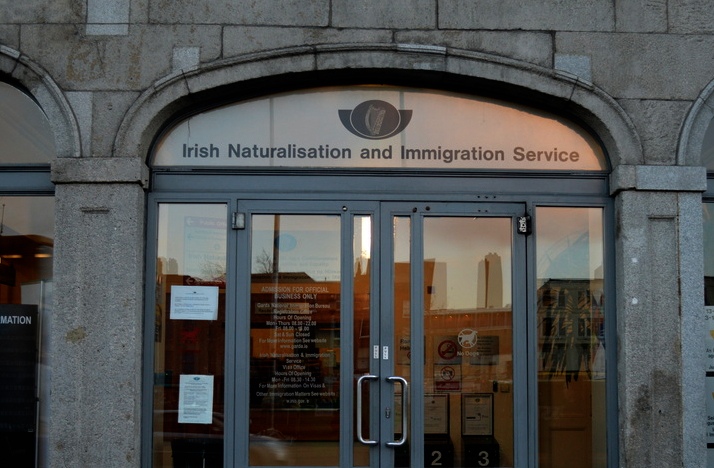
The Ireland deports 35 Nigerians operation concluded on Thursday as a chartered flight from Dublin landed in Nigeria. The group included 21 men, nine women, and five children. The flight departed from Dublin Airport on Wednesday night.
Irish Minister for Justice, Jim O’Callaghan, confirmed the deportation. He said he was satisfied the removal went as planned. Despite a medical emergency that caused an unscheduled stop, all deportees returned to Nigeria.
O’Callaghan stated that Ireland enforces a rules-based immigration system. While he didn’t provide specific reasons for the deportation, he stressed that immigration laws must remain strong and effective. Ireland’s approach reflects broader efforts to regulate residency and uphold legal standards.
The Ireland deports 35 Nigerians event drew mixed reactions. Some observers raised concerns about the inclusion of children on the flight. Rights groups called for greater transparency and stronger safeguards for families facing deportation. Others questioned the legal process behind the removals.
In Nigeria, the Nigerians in Diaspora Commission said it was unaware of the deportation. Spokesperson Abdur-Rahman Balogun confirmed the agency had not received notice from Irish authorities. This lack of communication sparked further concerns about inter-governmental coordination.
Immigration experts say this case reflects the growing enforcement of immigration laws across Europe. Nigerians living abroad without valid documentation face increasing risk of removal. Experts advise the diaspora to stay informed about local laws and ensure compliance with residency rules.
The deportation highlights Ireland’s cooperation with African governments on migration matters. Such operations usually involve diplomatic agreements and logistical planning. However, questions remain about how deportees are treated during and after repatriation.
Legal analysts argue that both host countries and home nations have responsibilities. Host governments must follow due process and protect vulnerable individuals, especially minors. Meanwhile, home countries should provide reintegration support for those returning under difficult circumstances.
The Ireland deports 35 Nigerians case serves as a reminder of the real consequences of immigration policy. As more Nigerians move abroad seeking better opportunities, legal awareness becomes crucial. Staying documented, knowing legal rights, and accessing proper guidance can prevent unexpected removal.
READ: Segun Olanrewaju’s Body to Return to Nigeria Next Week