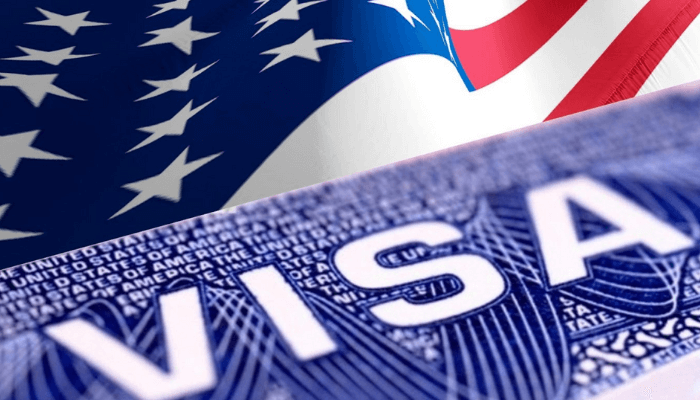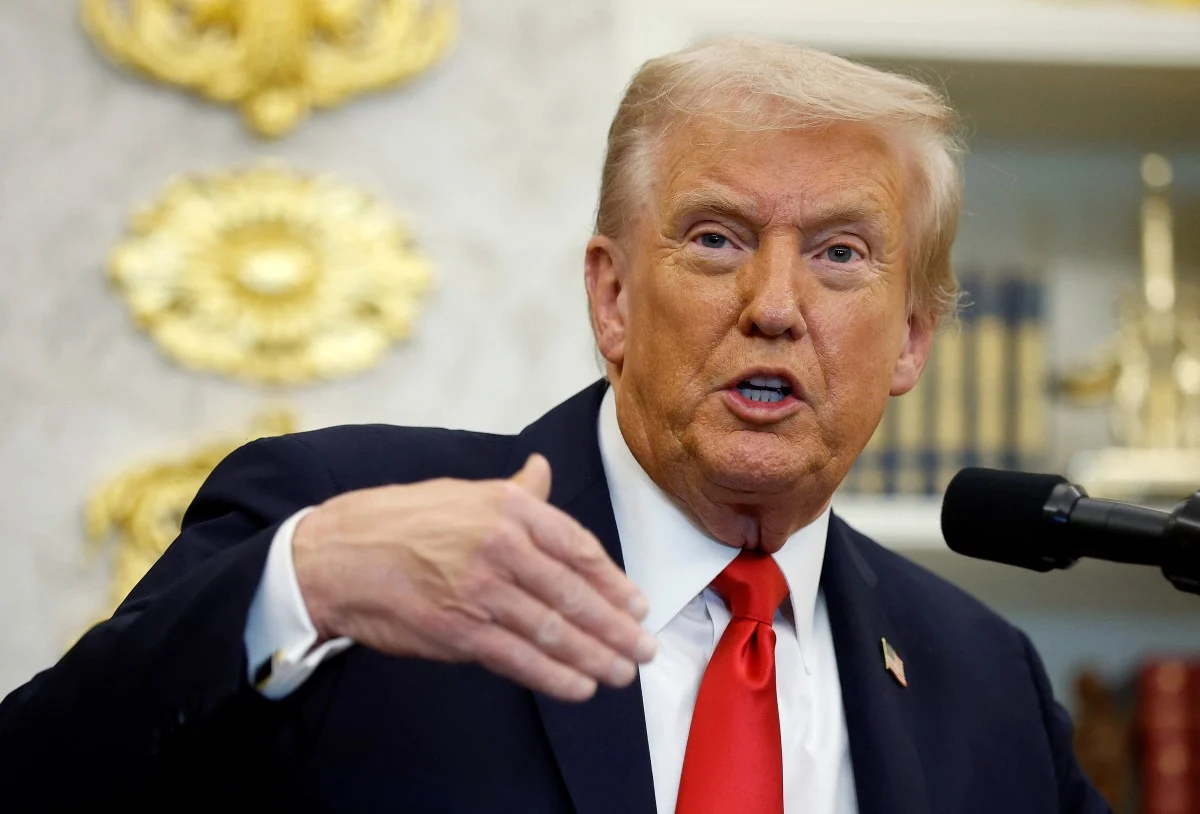
A new visa restriction imposed by President Donald Trump on January 14, 2026, is set to delay the immigration process for over 5,000 Nigerian citizens seeking to move to the United States. This latest policy, which affects 75 countries, aims to restrict the entry of immigrants from nations that Washington believes contribute excessively to public welfare. As a result, thousands of Nigerian applicants may face indefinite delays as the U.S. State Department pauses immigrant visa processing in the affected countries. Here’s a closer look at what this means for Nigerian immigrants and the broader implications of this policy shift.
Visa Delays for Nigerian Immigrants
In 2023, over 5,600 immigrant visas were issued to Nigerians, reflecting a steady increase from 2022’s total of 4,219. Data from the U.S. consulate in Lagos show that, annually, at least 5,000 Nigerian applicants are granted immigrant visas. However, with the new restrictions, these individuals may experience significant delays in the processing of their applications. The pause, which begins on January 21, 2026, and will last indefinitely, is expected to impact many would-be immigrants, including those who were already in the process of obtaining their visas.
The move is part of the Trump administration’s broader strategy to limit immigration from countries deemed to pose screening and vetting challenges or those whose citizens are believed to excessively rely on public assistance. With these new measures, the U.S. seeks to ensure that immigrants do not become dependent on government welfare once they arrive.
Impact of the Pause and Visa Bond Requirement
This decision to halt immigrant visa processing follows a recent announcement that a visa bond of up to $15,000 will be required for nationals from 38 countries, including Nigeria. This bond, effective January 21, 2026, targets countries with high visa overstay rates and security concerns. Nigerian applicants, in particular, may feel the brunt of these new measures, as they are subject to both the immigrant visa pause and the hefty visa bond.
While non-immigrant visa issuance for Nigerians has continued, with 63,313 visas granted in 2024, the latest changes threaten to add further complexity and uncertainty for those wishing to immigrate to the U.S. As a result, individuals seeking permanent residency may face additional barriers, causing significant frustration and delay in their plans.
The Broader Geopolitical Context
The new visa restrictions align with broader U.S. immigration policies aimed at addressing what the government considers an abuse of public assistance programs by foreign nationals. According to the U.S. State Department, the restrictions affect 75 countries, including a mix of African, Asian, and other global nations. Countries like Somalia, Haiti, Iran, and Eritrea are also on the list, alongside Nigeria, where ongoing security challenges and issues with visa overstays have complicated the approval process.
The policy forms part of a larger effort to re-evaluate U.S. immigration systems, including stricter vetting measures and more rigorous requirements for applicants. By imposing these measures, the U.S. government hopes to prioritize the interests of American citizens while controlling immigration flows from regions that are deemed to have high security risks or welfare dependency rates.
Countries Affected by the Visa Restrictions
The countries affected by the U.S. visa restrictions are diverse, spanning across Africa, Asia, Europe, and the Americas. Nigerian nationals are just one group impacted by this policy. Other affected nations include Algeria, Cameroon, Egypt, Ethiopia, Ghana, Guinea, Morocco, South Sudan, Sudan, Tanzania, and Tunisia in Africa; Afghanistan, Bangladesh, Iran, Iraq, Pakistan, and Syria in Asia; and numerous countries in the Americas, including Haiti, Jamaica, and Cuba.
The impact of these restrictions is expected to reverberate across the global immigration system, especially for countries like Nigeria that send large numbers of immigrants to the U.S. each year.
What Does This Mean for Nigerian Immigrants?
For Nigerian immigrants, the delays in visa processing represent a significant setback. Many families and individuals who have been in the application pipeline for years may now face an uncertain future as their chances of timely immigration are delayed indefinitely. The additional visa bond requirement further complicates the situation, making it more expensive and bureaucratically burdensome for Nigerians to enter the U.S.
However, these changes also highlight the growing tension between the U.S. and countries seen as problematic for immigration control. The Trump administration’s policies have long been focused on tightening immigration regulations and addressing what it sees as security risks posed by certain foreign nationals. This new restriction is yet another chapter in that ongoing strategy.
The recent U.S. visa restrictions are likely to delay the immigration process for thousands of Nigerians, with the pause on immigrant visa processing expected to affect at least 5,000 applicants. This move, which forms part of a broader effort to address welfare dependency and security concerns, signals an ongoing shift in U.S. immigration policy. With additional requirements such as the visa bond on the horizon, aspiring immigrants from Nigeria and other affected countries may find themselves facing prolonged delays and increased financial hurdles. As the situation develops, it’s clear that U.S. immigration policies will continue to evolve, with significant impacts on individuals and families hoping to build a future in America.