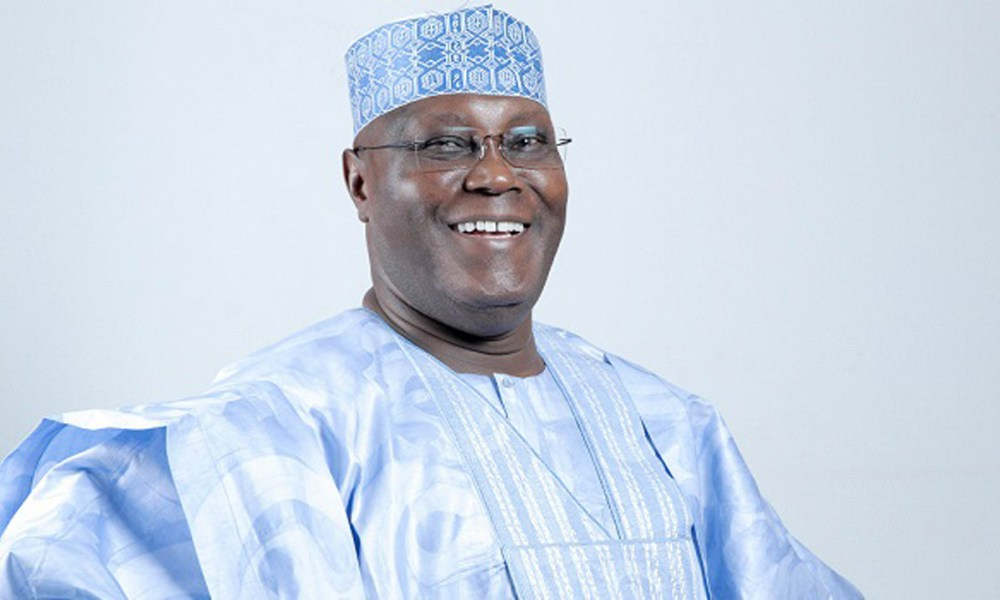
Atiku Abubakar has emerged as the presidential candidate of the African Democratic Congress (ADC) for Nigeria’s 2027 general election after defeating former Transportation Minister Rotimi Amaechi and former banker Mohammed Hayatu-Deen in a closely watched party primary.
The results, announced late Wednesday night by the ADC, confirmed Atiku’s overwhelming victory following nationwide voting conducted through the party’s direct primary system.
According to the official figures:
- Atiku Abubakar: 1,855,787 votes
- Rotimi Amaechi: 509,397 votes
- Mohammed Hayatu-Deen: 180,903 votes
The total votes cast stood at:
- 2,546,457
while total accredited party membership for the exercise reportedly reached:
- 3,113,599.
Atiku Secures Dominant Victory
The scale of the victory highlighted Atiku’s continued influence within opposition politics in Nigeria.
The former vice president defeated:
- Rotimi Amaechi by 1,346,390 votes
- Mohammed Hayatu-Deen by 1,674,884 votes
The margin reinforced his dominance within the ADC contest despite growing competition from other opposition figures.
Party officials congratulated Atiku shortly after the announcement, referring to him by his traditional title:
- Waziri Atiku
ADC Opted for Direct Primary System
The presidential primary process officially began on May 25, 2026, with accredited ADC members voting across Nigeria’s:
- 36 states
- Federal Capital Territory
The party adopted a:
- Direct primary system
allowing members nationwide to participate directly in selecting the presidential candidate.
ADC leaders said the approach aligned with:
- Nigeria’s Electoral Act 2026
- Internal democracy principles
Consensus Push Failed Before Vote
Before the primary, several stakeholders within the African Democratic Congress had reportedly pushed for a consensus arrangement aimed at preventing internal divisions ahead of the 2027 election.
However, the party eventually proceeded with a full-scale contest after the leading aspirants reportedly refused to step down for one another.
The failure to secure consensus highlighted:
- Internal party competition
- Strategic disagreements
- Growing opposition ambitions ahead of 2027
Amaechi and Hayatu-Deen Reject Results
Following the vote, both:
- Rotimi Amaechi
- Mohammed Hayatu-Deen
alleged irregularities in the electoral process.
The two candidates reportedly boycotted the official announcement ceremony on Tuesday.
While specific allegations were not fully detailed in the statement, the objections could potentially create tensions within the opposition party ahead of the general election campaign season.
Atiku Remains Central Figure in Nigerian Opposition Politics
Atiku Abubakar remains one of Nigeria’s most recognizable political figures.
Over the years, he has contested multiple presidential elections and previously served as:
- Vice President of Nigeria
Atiku has consistently positioned himself as a leading opposition figure capable of challenging ruling party dominance at the federal level.
His emergence as ADC flagbearer could significantly reshape:
- Coalition negotiations
- Opposition alignments
- Electoral strategies
- Campaign dynamics
ahead of the 2027 election.
Nigeria’s Opposition Landscape Becoming More Competitive
The ADC primary result comes amid growing political realignment within Nigeria’s opposition space.
As the 2027 election approaches, opposition parties are increasingly seeking:
- Stronger coalitions
- Broader national appeal
- Regional balancing
- Electoral consolidation
The outcome of the ADC contest may intensify discussions around:
- Opposition unity
- Alliance-building
- Strategic defections
- Candidate negotiations
Direct Primaries Continue Generating Debate
Nigeria’s use of direct primaries has remained controversial within political circles.
Supporters argue the system:
- Expands participation
- Strengthens party democracy
- Reduces elite control
Critics, however, frequently raise concerns over:
- Transparency
- Logistics
- Membership verification
- Electoral manipulation
The allegations raised by Amaechi and Hayatu-Deen may further fuel debates surrounding the effectiveness of direct primary systems in Nigerian politics.
ADC Seeks Bigger National Role
The African Democratic Congress has historically remained smaller than Nigeria’s dominant political parties.
However, the emergence of Atiku could dramatically raise the party’s national visibility and electoral significance.
The ADC may now attempt to position itself as:
- A stronger opposition platform
- A coalition vehicle
- A reform-oriented alternative
- A national political challenger
ahead of 2027.
2027 Election Expected to Be Highly Competitive
Nigeria’s next presidential election is already attracting growing political attention due to:
- Economic challenges
- Security concerns
- Inflation pressures
- Youth unemployment
- Regional political dynamics
The political environment heading into 2027 is expected to become increasingly competitive as parties reposition themselves nationally.
Atiku’s candidacy adds another major figure to an already evolving electoral landscape.
Frequently Asked Questions
Who won the ADC presidential primary?
Atiku Abubakar won the ADC presidential primary.
How many votes did Atiku receive?
He secured 1,855,787 votes.
Who were the other candidates?
The other major contenders were:
- Rotimi Amaechi
- Mohammed Hayatu-Deen
Did the other candidates accept the results?
No. Amaechi and Hayatu-Deen reportedly alleged irregularities and boycotted the results announcement.
What party is ADC?
The African Democratic Congress is a Nigerian opposition political party.
Conclusion
The emergence of Atiku Abubakar as the ADC presidential candidate marks a major development in Nigeria’s evolving political landscape ahead of the 2027 general election.
His landslide victory reinforces his enduring influence within opposition politics, but allegations of irregularities by rival candidates also reveal potential internal challenges the party may need to manage moving forward.
As Nigeria’s opposition space continues to shift, Atiku’s candidacy is likely to intensify political calculations, coalition negotiations, and electoral competition in what is already shaping up to be a highly contested presidential race.