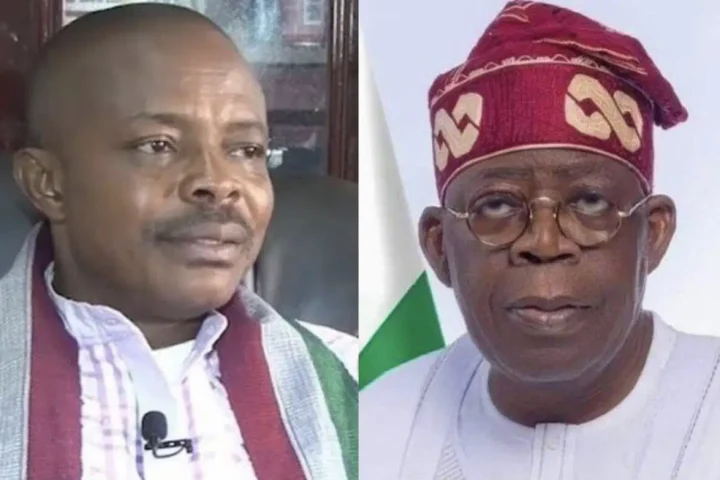
The Ken Saro-Wiwa pardon, granted three decades after his controversial execution, marks a historic moment for Nigeria’s environmental and human rights history.
The Legacy of Ken Saro-Wiwa and the Ogoni Nine
Ken Saro-Wiwa was a prominent environmental activist, author, and leader of the Movement for the Survival of the Ogoni People (MOSOP). He led peaceful protests against oil companies, especially Shell, accusing them of polluting Ogoniland—a part of the oil-rich Niger Delta.
In 1995, Saro-Wiwa and eight other activists—collectively known as the Ogoni Nine—were convicted of murder by a secret military tribunal and subsequently hanged. The trial was widely condemned as unjust, with many asserting that the charges were fabricated to silence their environmental advocacy.
Their execution sparked global outrage, led to Nigeria’s suspension from the Commonwealth, and turned Saro-Wiwa into an enduring symbol of resistance against environmental injustice and authoritarianism.
The 2025 Presidential Pardon
On June 12, 2025, Nigeria’s President Bola Tinubu issued a posthumous pardon to Ken Saro-Wiwa and the other members of the Ogoni Nine. The pardon was part of the country’s Democracy Day celebrations, during which they were also awarded national honors for their contributions to democratic values.
President Tinubu described them as “heroes who made outstanding contributions to the nation’s democracy,” acknowledging the injustice of their executions.
Mixed Reactions to the Pardon
While the Ken Saro-Wiwa pardon has been welcomed by many, some activists and families of the deceased say it doesn’t go far enough.
MOSOP, the movement Saro-Wiwa once led, called the pardon a “courageous act” but maintained that the men were never guilty in the first place.
“No crime ever took place,” the group stated, emphasizing that a pardon implies guilt.
Barinem Kiobel’s widow echoed this sentiment, saying,
“A pardon is not granted to the innocent. We want a retrial and formal declaration of innocence.”
Amnesty International added that while clemency is a step forward, it “falls far short of the justice the Ogoni Nine need.” The organization called for increased accountability from oil multinationals for ongoing environmental degradation.
Shell’s Role and Legal Battles
Shell has long been accused of contributing to the environmental destruction of Ogoniland, though it denies involvement in the 1995 executions. The company insists that its operations have been hampered by sabotage, oil theft, and illegal refining, which they claim are the primary causes of pollution in the region.
Nonetheless, Shell has faced a growing number of lawsuits. In 2021, a Dutch court ordered the oil giant to compensate Nigerian farmers for oil spills in the Niger Delta. The company agreed to pay over $100 million.
Earlier in 2025, two Ogoni communities filed a case in London’s High Court, demanding accountability for oil pollution between 1989 and 2020. The case is set for full trial in 2026.
Continuing Struggle for Environmental Justice
Despite the Ken Saro-Wiwa pardon, environmental degradation in Ogoniland continues to threaten livelihoods, biodiversity, and public health. The UN Environment Programme (UNEP) previously published a scathing report in 2011 recommending a full-scale clean-up, which is still incomplete.
Communities are calling for:
- Transparent execution of clean-up projects
- Compensation for loss of farmland and fisheries
- Legal accountability for environmental crimes
The struggle that Saro-Wiwa began continues through legal action, activism, and international pressure.
Fubara Suspension May End Early After Tinubu Talks
A Symbolic Yet Incomplete Victory
The Ken Saro-Wiwa pardon is undeniably significant. It acknowledges a grave injustice and restores some measure of honor to the Ogoni Nine. However, it also highlights the ongoing challenges of environmental justice, corporate accountability, and government responsibility in Nigeria.
Until the Niger Delta is fully restored and those responsible for its devastation are held accountable, the work of Ken Saro-Wiwa remains unfinished.