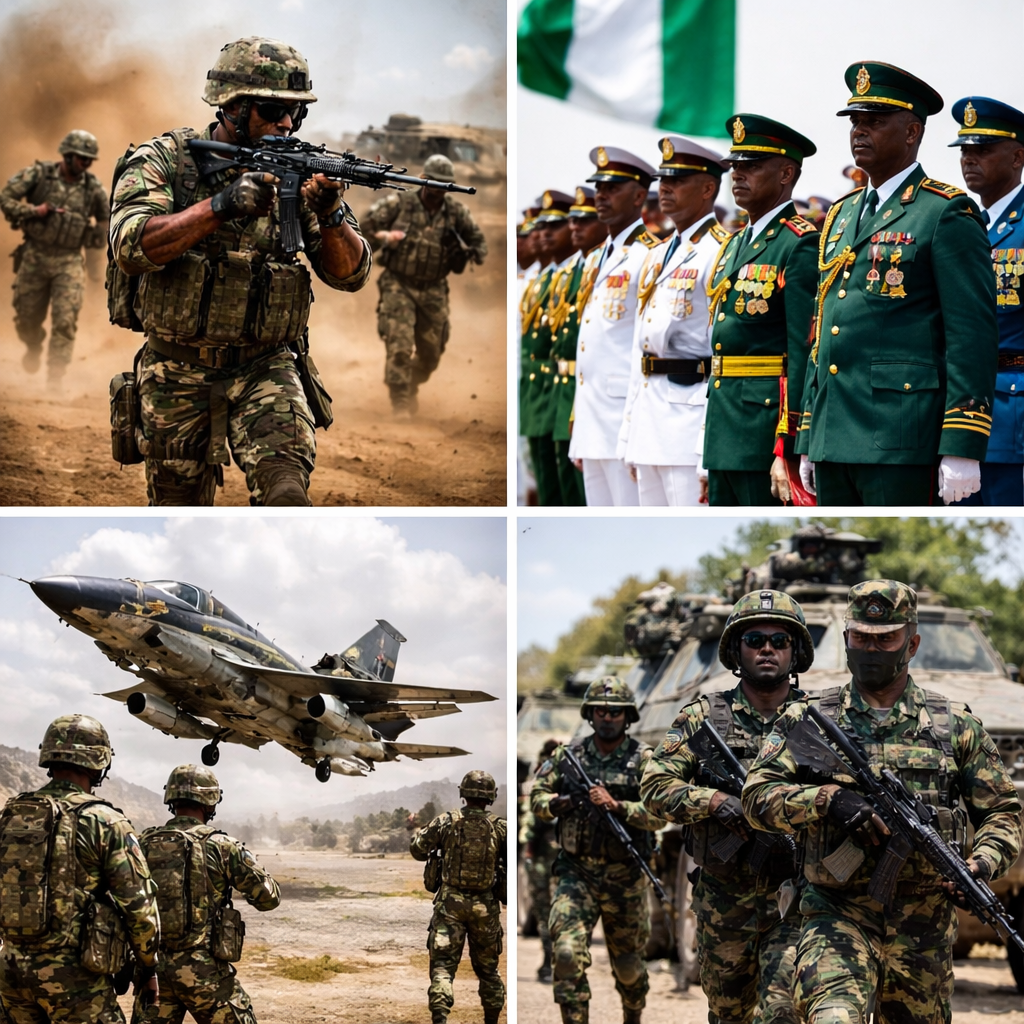
The Nigerian Army has been at the forefront of the country’s efforts to maintain peace, protect its territorial integrity, and address internal security challenges. With the rise of terrorism, insurgency, and the complex array of security threats facing the country, the Nigerian Army has had to continuously evolve to meet the growing demands of modern warfare and security operations. The latest restructuring of the Nigerian Army marks a significant step in adapting to these challenges and enhancing its ability to respond effectively to internal and external threats.
This article explores the Nigerian Army’s ongoing restructuring process, the reasons behind it, the challenges it seeks to address, and how the restructuring could impact the country’s security landscape moving forward.
The Security Landscape in Nigeria
Nigeria, the most populous country in Africa, faces several security challenges that have strained the capabilities of its military. From the insurgency of Boko Haram in the northeast to the rise of banditry and armed militia in the northwest and the Middle Belt, the country’s security apparatus has been under immense pressure. The threat of terrorism, ethnic clashes, piracy in the Gulf of Guinea, and growing unrest in the Niger Delta region have forced the Nigerian Army to engage in complex and multi-faceted operations across the country.
The Nigerian Army’s ability to effectively address these security threats has been hindered by several factors, including inadequate funding, a lack of modern equipment, logistical challenges, and, at times, issues with coordination and intelligence. In recent years, however, the government has recognized the need to address these issues and restructure the military to better confront the country’s security challenges.
The Need for Restructuring
The Nigerian Army’s restructuring is not a new development. Over the years, the military has undergone several reforms aimed at improving its operational effectiveness and responding to emerging threats. However, the ongoing conflict in the northeastern part of the country, the growing presence of armed groups across northern and central Nigeria, and the need for a more agile and responsive military have made the current restructuring imperative.
Several key factors have driven the call for restructuring:
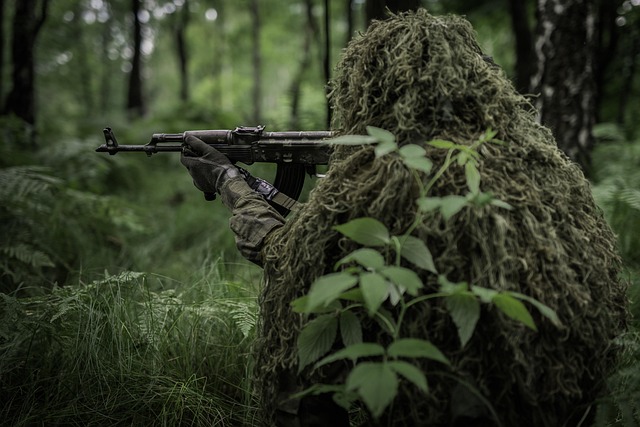
- Complex Security Challenges: The nature of threats facing Nigeria has evolved. Traditional warfare and border protection are no longer the primary concerns of the Nigerian Army. The rise of terrorism, insurgency, and localized militia groups requires a more specialized and adaptive military force. The ability to conduct both conventional warfare and counterinsurgency operations is critical in this context.
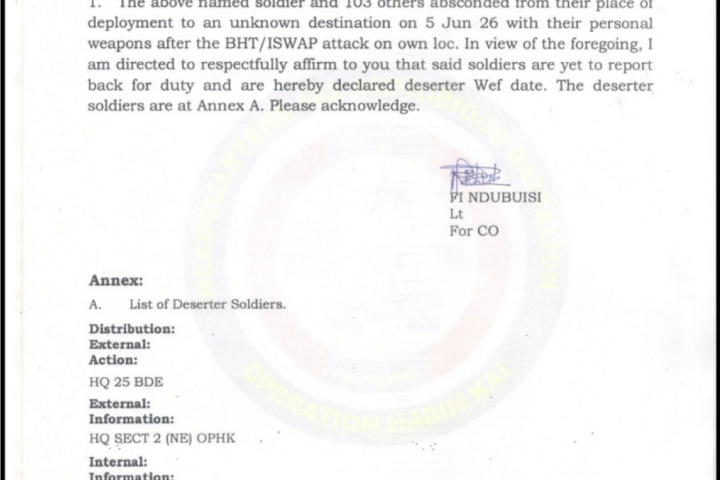
- Insurgency and Terrorism: Boko Haram’s insurgency in the northeast, along with the rise of the Islamic State’s West Africa Province (ISWAP), has tested the limits of the Nigerian Army. While military operations have had successes, the persistence of the insurgency highlights the need for more effective counterinsurgency tactics, improved intelligence capabilities, and modern military assets.
- Banditry and Armed Militia: In the northwest and parts of the Middle Belt, banditry and armed militia groups have caused widespread insecurity, kidnapping for ransom, and the displacement of millions. These groups operate in rugged terrains, often blending into local communities, making them difficult to defeat with traditional military approaches. The restructuring of the Nigerian Army aims to enhance its ability to tackle these unconventional threats.
- Modernization of Warfare: As global military tactics evolve, the Nigerian Army must also adapt to new technologies and warfare strategies. The rise of cyber threats, the need for enhanced surveillance, and the use of unmanned aerial vehicles (UAVs) and drones in military operations are all part of the modern battlefield. The restructuring process addresses the need to integrate these technologies into the Army’s operations.
Key Components of the Nigerian Army’s Restructuring
The restructuring of the Nigerian Army is multifaceted and includes several key components designed to improve its effectiveness, flexibility, and capability to respond to current and future security challenges.
1. Organizational Restructuring: Rebalancing Forces
One of the primary goals of the Nigerian Army’s restructuring is to optimize its organizational structure. This includes the realignment of commands and the establishment of new units that can better address specific security challenges. The restructuring aims to make the Army more agile and efficient by streamlining its operational commands.
For instance, the Nigerian Army has introduced a new set of command structures that focus on specific regions and types of conflict. This includes the creation of special task forces for counterterrorism, counterinsurgency, and anti-banditry operations. These units are expected to operate with greater autonomy and speed, focusing on high-priority security threats while improving coordination with other branches of the military, police, and intelligence agencies.
Additionally, the restructuring has led to the development of new training programs designed to equip soldiers with the necessary skills for modern warfare. This includes specialized training in counterinsurgency tactics, intelligence gathering, and the use of advanced military technology.
2. Technological Modernization: Leveraging New Tools for Warfare
Another key aspect of the restructuring is the integration of advanced technology into the Nigerian Army’s operations. With the growing importance of cyber warfare, surveillance, and unmanned systems, the Nigerian military is working to modernize its equipment and capabilities.
The Nigerian Army has made strides in acquiring modern hardware, including drones, advanced surveillance systems, and cutting-edge communication technology. These tools enhance the Army’s ability to monitor large areas, track insurgent movements, and conduct targeted strikes with greater precision. For example, the use of drones in counterinsurgency operations has significantly improved the Army’s ability to gather real-time intelligence, carry out reconnaissance, and execute surgical strikes on enemy positions.
The Army is also focusing on improving its logistical capabilities, ensuring that its forces are well-equipped and mobile. Modern vehicles, including armored personnel carriers and light tanks, are being incorporated into the Army’s fleet to enhance mobility in challenging terrains.
3. Intelligence and Surveillance: Enhancing Coordination and Communication
One of the critical weaknesses in previous military operations has been the lack of effective intelligence-sharing and coordination between the Nigerian Army and other security agencies. To address this, the restructuring process includes the development of more robust intelligence networks and improved communication systems.
The Nigerian Army is working to enhance its ability to gather actionable intelligence and share it seamlessly with other military branches, as well as the police and intelligence agencies. This involves the integration of satellite surveillance, unmanned aerial vehicles (UAVs), and electronic warfare capabilities to track insurgent groups and their movements in real time.
Improved intelligence capabilities also mean that the Army can better target enemy combatants and neutralize threats before they escalate. Additionally, the restructuring includes efforts to recruit and train more specialized personnel in the fields of cyber warfare, intelligence analysis, and counterintelligence.
4. Recruitment and Training: Building a Modern Army
Another important component of the restructuring is the recruitment and training of new soldiers. The Nigerian Army aims to recruit individuals with specialized skills and training in modern warfare techniques, cybersecurity, and advanced military technologies. The goal is to build a force that is capable of adapting to the changing dynamics of conflict and is prepared for the challenges posed by insurgency, terrorism, and unconventional warfare.
The Army has also enhanced its training programs to ensure that soldiers are well-prepared for the types of conflict they will face. This includes simulated combat scenarios, specialized courses in counterinsurgency and peacekeeping, and physical training to ensure readiness in demanding conditions. Additionally, the Army is placing greater emphasis on leadership training, ensuring that its officers and non-commissioned officers can make sound decisions in high-pressure situations.
5. Regional and International Cooperation
The Nigerian Army recognizes that regional cooperation is essential in combating cross-border threats such as terrorism and organized crime. As such, the restructuring has placed greater emphasis on regional collaboration with neighboring countries and international partners.
Nigeria’s military participation in peacekeeping missions under the African Union (AU) and the Economic Community of West African States (ECOWAS) has strengthened its role in maintaining peace and stability across the region. The restructuring process aims to enhance Nigeria’s leadership in these regional security initiatives by providing the Nigerian Army with the necessary resources and training to engage in multinational operations effectively.
Challenges in the Restructuring Process
While the restructuring of the Nigerian Army is a positive step forward, it faces several challenges. One of the main hurdles is the limited funding allocated to the military, which has often resulted in delayed equipment procurements, insufficient training facilities, and inadequate logistical support. Despite efforts by the Nigerian government to increase defense spending, the military’s budget is still constrained, which hampers its ability to fully implement the restructuring plan.
Corruption within the military and the broader defense sector is another significant challenge. Misallocation of resources and procurement inefficiencies have plagued the Nigerian military for years. The government’s efforts to tackle corruption within the defense sector and ensure that funds are used effectively are crucial for the success of the restructuring process.
Additionally, while the restructuring focuses on modernizing the military’s capabilities, the Nigerian Army continues to face difficulties in combating insurgency in rural and difficult-to-reach areas. The complex terrain, combined with the mobility of insurgent groups, makes it challenging for the Army to maintain control and fully eliminate threats.
A Stronger Nigerian Army for the Future
The restructuring of the Nigerian Army is a much-needed response to the evolving security challenges facing the country. By reorganizing its forces, modernizing its equipment, improving intelligence-sharing, and enhancing training, the Nigerian military is better positioned to tackle insurgency, terrorism, and other security threats in the coming years.
However, the success of this restructuring will depend on several factors, including adequate funding, regional cooperation, and effective leadership. If these challenges are addressed, the Nigerian Army could emerge as a more capable and resilient force, ensuring a safer and more secure Nigeria for years to come.