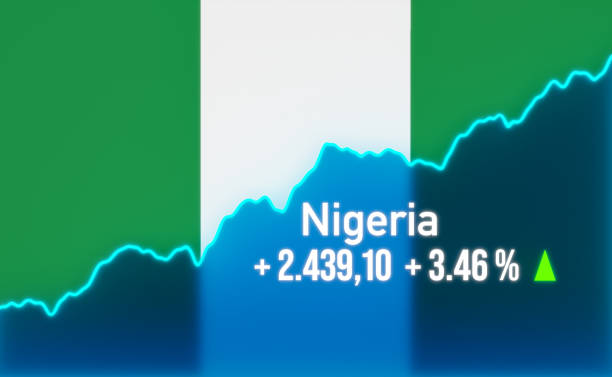
As Africa’s largest economy and one of its most influential nations, Nigeria plays a pivotal role in shaping the continent’s future. With its vast natural resources, dynamic population, and growing influence in regional and global markets, Nigeria’s economy has immense potential. However, like many emerging markets, it faces significant challenges, including political instability, inflation, and a reliance on oil exports.
As Nigeria looks toward 2026, the country’s economic future is shaped by a variety of factors, from diversification efforts and technological advancements to the global economic environment. In this article, we explore the trends and prospects that will define Nigeria’s economy over the next few years, as well as the opportunities and challenges it will face along the way.
Key Trends Shaping Nigeria’s Economy in 2026
1. Economic Diversification and the Role of Non-Oil Sectors
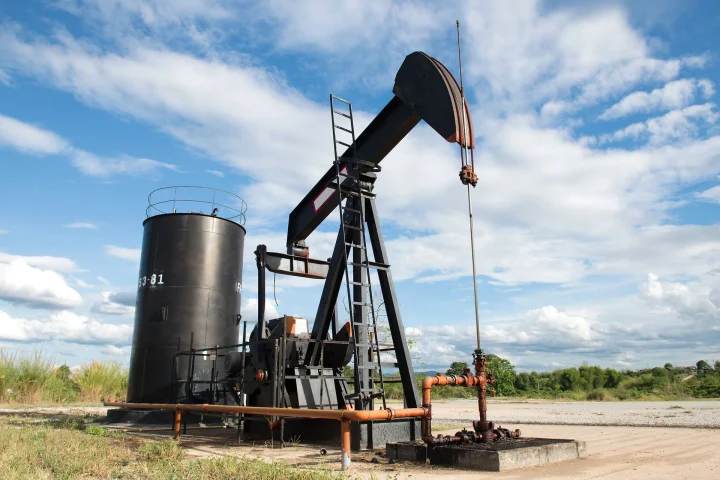
For years, Nigeria has been heavily dependent on oil exports, which account for a large portion of its government revenue and foreign exchange earnings. However, the country has faced fluctuating oil prices and the ongoing need to reduce its reliance on a volatile sector. Diversifying Nigeria’s economy is seen as crucial to ensuring sustainable long-term growth.
Agriculture is one sector with significant potential for growth. As one of the world’s largest producers of agricultural products such as cocoa, cassava, and yams, Nigeria is focused on improving productivity, modernizing farming practices, and increasing exports of agricultural goods. The government’s emphasis on agri-business and value chain development presents opportunities for job creation, particularly in rural areas.
Technology and Innovation are also key drivers of economic diversification. Nigeria’s rapidly expanding tech ecosystem, particularly in cities like Lagos, has seen the rise of startups and digital businesses. With the right investments in infrastructure and education, technology could play a central role in transforming Nigeria’s economy. Fintech companies, in particular, are emerging as leaders in financial inclusion, offering innovative solutions to Nigeria’s unbanked population.
2. Increased Investment in Infrastructure
One of Nigeria’s most pressing challenges is its infrastructure deficit. Despite being Africa’s largest economy, Nigeria struggles with inadequate roads, unreliable power supply, poor transportation networks, and underdeveloped healthcare and education systems. To overcome these barriers, infrastructure development will be key to unlocking the country’s economic potential.
The Nigerian government has been making efforts to address these issues, with ambitious plans to improve transportation infrastructure, including roads, railways, and airports. In the power sector, there is a push to invest in renewable energy, such as solar power, to increase energy access and reduce reliance on fossil fuels. Additionally, Nigeria’s ongoing push to build more industrial parks and improve ports could stimulate industrial growth and create new opportunities in trade and manufacturing.
The role of public-private partnerships (PPPs) will be crucial in driving large-scale infrastructure projects. Nigeria is already witnessing foreign investments in sectors like telecommunications and agriculture, and infrastructure is expected to continue attracting both domestic and international funding in the coming years.
3. Youth Employment and Demographic Trends
Nigeria has one of the youngest populations in the world, with over 60% of its people under the age of 25. While this demographic trend presents an opportunity for economic growth, it also poses significant challenges in terms of education, job creation, and social services.
Youth unemployment remains a critical issue, with millions of young Nigerians entering the workforce each year but facing limited job opportunities. Addressing this challenge will require a concerted effort to improve education and skills training, as well as create an environment conducive to entrepreneurship and small business growth.
The youth-led tech revolution could offer a solution to some of these challenges. As more young Nigerians turn to digital platforms to start businesses and offer services, there’s an opportunity for innovation to drive employment growth. The Nigerian government’s efforts to promote startups and SMEs through supportive policies and initiatives, such as access to finance and tax incentives, are crucial in nurturing this young entrepreneurial spirit.
4. Impact of Climate Change and Environmental Challenges
Climate change is increasingly affecting economies around the world, and Nigeria is no exception. From rising temperatures and extreme weather events to flooding and desertification in the north, the environmental challenges facing Nigeria are becoming more pronounced.
Agriculture, which is vital to the Nigerian economy, is highly vulnerable to climate-related disruptions. The government and the private sector will need to invest in climate-resilient agriculture, water management systems, and sustainable energy sources to ensure food security and long-term economic stability.
Sustainable development initiatives, such as green energy investments, reforestation, and waste management solutions, will play an important role in addressing both environmental and economic challenges. These efforts not only help mitigate the effects of climate change but also present opportunities for job creation and new industries.
Opportunities for Growth in Nigeria’s Economy
1. Energy Transition and Renewable Energy
While Nigeria has long been an oil-producing giant, the future of energy lies in diversification. Renewable energy, particularly solar, holds immense potential for the country. With abundant sunlight and an energy deficit, Nigeria could tap into its renewable energy potential to improve access to electricity, particularly in rural areas.
The government is already pushing initiatives to harness solar power, and private investors are increasingly looking at the energy sector as an area for growth. The energy transition presents a unique opportunity to create a sustainable energy future for Nigeria while reducing the country’s dependence on fossil fuels.
2. Digital Economy and E-Commerce
The rise of Nigeria’s digital economy is another promising avenue for growth. The country’s e-commerce market is expanding rapidly, driven by mobile internet penetration and the increasing use of online payment systems. Companies like Jumia, Konga, and Paystack have positioned Nigeria as a leader in e-commerce and fintech within Africa.
By continuing to improve digital infrastructure and internet access, Nigeria has the potential to become a hub for tech innovation and e-commerce across the continent. The rapid growth of mobile money and online services in Nigeria points to a future where digital platforms are central to the economy.
3. Tourism and Cultural Heritage
Nigeria’s tourism sector has significant untapped potential. With its rich cultural heritage, natural beauty, and diverse landscapes, the country could become a leading destination for international tourists. From the cultural festivals in Lagos and Abuja to the serene beaches of the Niger Delta, Nigeria offers a wealth of attractions.
Investing in infrastructure for tourism, as well as marketing Nigeria’s unique culture and history, could boost the economy by attracting foreign visitors and generating revenue from the hospitality and service sectors.
Challenges to Nigeria’s Economic Future
While there are many opportunities, Nigeria’s economy faces persistent challenges. Issues such as political instability, corruption, inadequate healthcare and education systems, and insecurity in certain regions remain barriers to economic progress. Addressing these challenges will require strong political will, good governance, and collaboration between the government, private sector, and civil society.
Conclusion
The future of Nigeria’s economy in 2026 is filled with both challenges and immense potential. With a young and dynamic population, a growing tech ecosystem, and efforts toward diversification, Nigeria is well-positioned to thrive. However, achieving sustainable growth will require addressing critical issues such as unemployment, infrastructure deficits, and climate change.
By focusing on diversification, investing in renewable energy, and supporting the digital economy, Nigeria can build a resilient and robust economy that is less dependent on oil and better equipped to tackle the demands of a rapidly changing world.