The Federal Government of Nigeria has distributed a total of N2.45 trillion to state governments and the Federal Capital Territory (FCT) to support critical infrastructure and security projects. This funding, which spans from March 2024 to August 2025, aims to address pressing needs across the country, such as improving transportation, healthcare, and security, as well as strengthening the local economy. The allocation of funds forms part of the government’s broader strategy to ease fiscal pressures on state governments and accelerate the execution of development projects at the grassroots level.
The funds for this initiative come from non-oil revenue savings, reflecting a shift away from Nigeria’s traditional oil-based revenue streams. This special intervention program also seeks to reduce the negative impact of fiscal challenges, such as inflation and exchange rate fluctuations, caused by the removal of the petrol subsidy.
Disbursement Details and Funding Patterns
Official records from the Office of the Accountant-General of the Federation (OAGF), obtained in December 2025, revealed detailed information about the financial disbursements made to subnational governments. Over the 17-month period between March 2024 and August 2025, the Federal Government transferred N2.45 trillion under a well-structured program aimed at bolstering infrastructure and enhancing security at the state level.
The disbursements were made in installments, with a notable increase in the amount released in 2025. According to the documents, the total amount disbursed in 2024 was N1.184 trillion, with payments spread out across four major installments: April (N259 billion), May (N222 billion), September (N370 billion), and December (N333 billion). This pattern of disbursement continued into 2025, with a total of N1.266 trillion allocated during the year, covering six major payments in February (N216 billion), April (N200 billion), May (N250 billion), June (N250 billion), July (N250 billion), and August (N100 billion).
The payments were part of an initiative to ease the financial burden on state governments and help them tackle pressing infrastructure gaps, as well as improve local security operations in the face of growing challenges.
The Role of Non-Oil Revenue in Funding State Projects
The disbursements were funded through non-oil revenue savings, demonstrating the government’s efforts to diversify its revenue sources in the wake of declining oil prices and the economic effects of the petrol subsidy removal. This non-oil revenue base has provided the government with a critical cushion to meet its fiscal obligations without relying solely on volatile oil revenues.
The transfer of N2.45 trillion to the states has also been instrumental in facilitating the execution of key projects, particularly in areas that directly affect Nigerians’ daily lives. By redirecting funds from non-oil savings, the Federal Government has aimed to provide more equitable access to infrastructure improvements, reduce regional disparities, and boost national security.
Supporting Infrastructure and Security at the State Level
The financial support provided by the Federal Government has been a lifeline for state governments struggling with limited resources to fund key infrastructure and security initiatives. As part of the broader intervention program, the disbursements have been earmarked for a variety of projects that are essential for the growth and development of local communities.
The Infrastructure Support Fund (ISF), established in July 2023, is central to this initiative. The ISF was created to help states address the impact of the petrol subsidy removal on their citizens, particularly in critical areas like transportation, healthcare, agriculture, and education. Dele Alake, the Special Adviser to the President on Special Duties, Communications, and Strategy, outlined that the fund’s objectives include improving farm-to-market roads, enhancing healthcare services, and expanding access to water and power resources.
This funding will enable the states to make significant strides in addressing their infrastructural needs, creating jobs, and improving the standard of living for their residents. The infrastructure improvements, particularly in transportation and healthcare, will have long-lasting benefits for the country’s economic competitiveness and job creation.
Addressing Security Challenges Across Nigeria
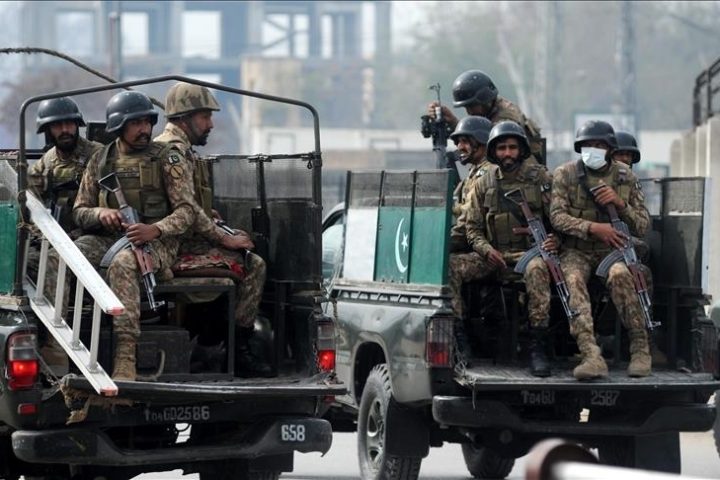
The disbursements also play a vital role in strengthening security operations at the subnational level. Nigeria has faced growing challenges in combating insurgency, banditry, and other security threats in recent years. In response, the government has prioritized improving security infrastructure at both the state and local levels.
By directing funds toward enhancing security operations, the government aims to reduce the impact of these threats and ensure that all citizens, regardless of location, are protected. Strengthening state security forces and providing them with the resources they need is a crucial part of the broader effort to stabilize the country and reduce crime and violence.
The Impact of the Petrol Subsidy Removal on Fiscal Policy
The disbursement of N2.45 trillion to states is also closely linked to the ongoing fiscal adjustments resulting from the removal of the petrol subsidy. The decision to remove the subsidy has had a significant impact on both the national and local economies, leading to increased fuel prices and rising costs of living. To mitigate the effects of these changes, the Federal Government has implemented several policies, including the creation of the ISF and the allocation of non-oil revenue to subnational governments.
These measures are designed to cushion the economic fallout from subsidy removal while ensuring that critical infrastructure projects and security operations continue unabated. By allocating these funds, the government is helping to ensure that the country’s development objectives are not derailed by short-term economic challenges.
The Future of State-Level Development in Nigeria
As the Federal Government continues to distribute non-oil revenue savings to the states, the outlook for infrastructure and security improvements is positive. The funds allocated over the past 17 months have already had a significant impact, and the ongoing disbursements will continue to support critical projects across the country.
However, the key challenge moving forward will be ensuring that these funds are used effectively and that the projects funded through this initiative are completed on time and to the required standard. Transparency in the allocation and management of these funds will be essential for building trust between the Federal Government and the people of Nigeria.
The disbursement of N2.45 trillion to state governments and the Federal Capital Territory represents a significant step toward addressing Nigeria’s infrastructure and security challenges. By leveraging non-oil revenue savings, the Federal Government has provided vital support to subnational governments, helping them to bridge critical gaps and improve the quality of life for their citizens.
As the country navigates the complexities of fiscal reform and economic diversification, these investments in infrastructure and security will be crucial for ensuring long-term development and stability. The commitment to addressing the challenges of subsidy removal, regional inequality, and security threats demonstrates the government’s determination to create a more resilient and prosperous Nigeria for future generations.