Nigeria’s long-dormant state refineries may finally get a lifeline through the NNPC refinery revival strategy. The Nigerian National Petroleum Company Limited (NNPC) has opened talks with a major Chinese petrochemical firm and other potential investors to bring in technically capable operators. This marks a sharp turn from decades of government-run failures.
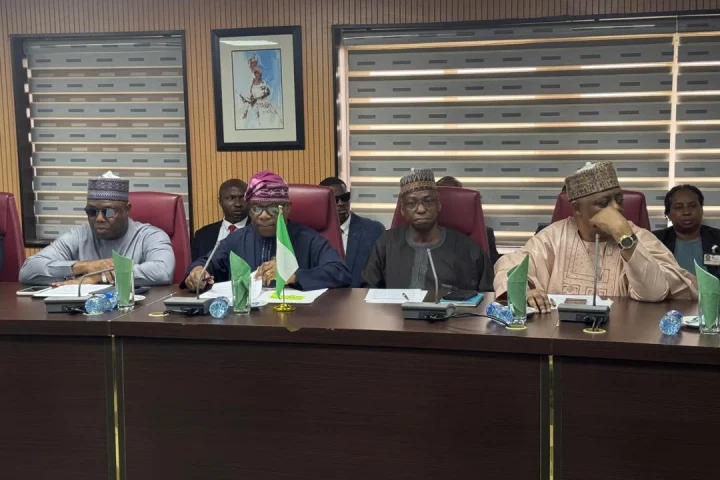
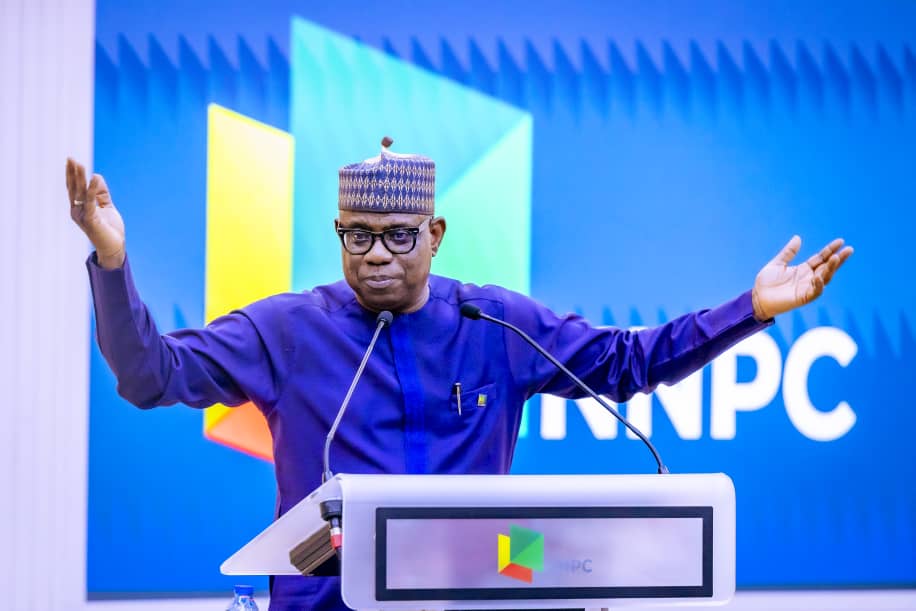
Bayo Ojulari, NNPC’s Group Chief Executive Officer, unveiled the plan during a fireside chat at the Nigeria International Energy Summit 2026 in Abuja. He stressed that the goal is not to sell the refineries outright—but to sell down enough equity so private partners have “skin in the game” and take operational control.
“We are not looking for contractors or maintenance firms,” Ojulari said. “We need entities that actually run refineries.” Under the board-approved strategy, NNPC will retain ownership but let experienced partners lead daily operations. In return, NNPC aims to rebuild its own technical capacity over time.
This shift comes after years of losses. Nigeria’s four state refineries—Port Harcourt (two plants), Warri, and Kaduna—have operated far below capacity despite billions spent on repairs. Between 2015 and 2023, repeated turnaround contracts yielded almost no domestic output. As a result, Nigeria remained dependent on fuel imports.
Ojulari admitted the situation was unsustainable. “We were running at a monumental loss,” he said. “At Port Harcourt, we produced mid-grade products that destroyed value—what came out was worth less than what went in.” Crude deliveries averaged only 50–55% utilization, while costs kept rising.
Consequently, NNPC halted operations despite political pressure. “If we’d continued, it would have been value destruction for the next 30 years,” Ojulari explained. He criticized past financing models where contractors got paid upfront, then left NNPC to manage broken assets with no real support.
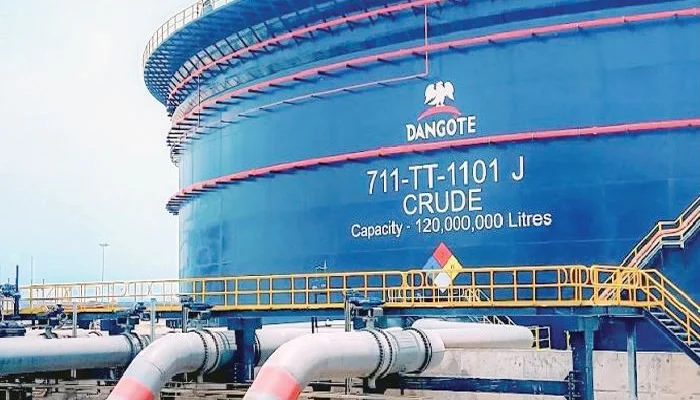
Meanwhile, the Dangote Petroleum Refinery has become a critical stabilizer. Ojulari praised the 650,000-barrel-per-day facility as a national asset. “Thank God for Dangote Refinery,” he said to applause. “He’s a Nigerian. It’s built in Nigeria, working in Nigeria—and it gave us breathing space.”
Although Dangote doesn’t meet all domestic demand, its output has reduced supply chain risks. NNPC also holds shares in the plant, strengthening collaboration. Ojulari confirmed direct talks with Alhaji Aliko Dangote to align cooperation with the Petroleum Industry Act. “Our strategy is to maximize value for Nigerians—not compete,” he said.
Discussions with investors are already advancing. Ojulari revealed he had just met a Chinese firm that owns one of China’s largest petrochemical complexes. “They’re inspecting our refineries tomorrow,” he noted, adding that other companies are also in the mix.
Looking ahead, Ojulari projected Nigeria could produce 1.8 million barrels per day in 2026—though he called the 2025 budget target of 2.06 million barrels “overambitious.”
In sum, the NNPC refinery revival strategy signals a pragmatic break from the past. By prioritizing commercial viability over state control, NNPC aims to end decades of waste and build a self-sustaining refining sector—with private expertise leading the way.