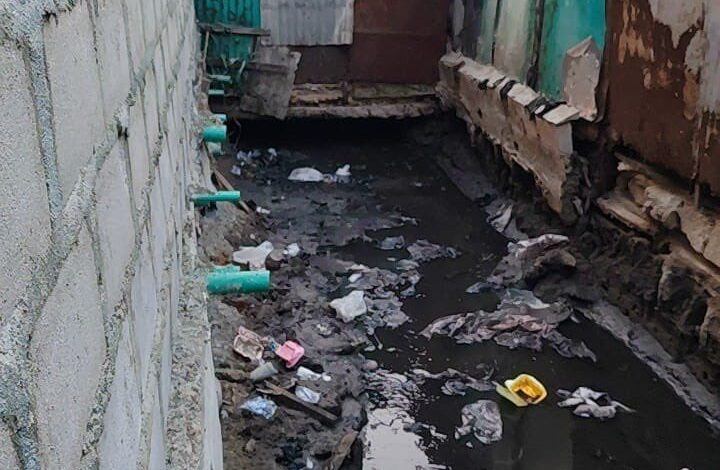
The Lagos public toilet sealed on Savage Street faced immediate enforcement action. Consequently, this decision highlights growing environmental accountability in Ebute Metta. Specifically, officials discovered raw sewage discharged into a public drain. Moreover, the offensive odour and sewage flow disrupted community life. Therefore, the Lagos State Wastewater Management Office intervened swiftly.
Commissioner for the Environment and Water Resources Tokunbo Wahab disclosed the action. He shared details via a post on X Thursday. Additionally, he confirmed the facility was sealed Wednesday. Thus, the response followed documented violations of environmental standards. Indeed, deliberate sewage pumping created significant public health risks.
The Lagos public toilet sealed case represents broader waste management challenges. Consequently, improper wastewater handling affects urban communities daily. Moreover, clogged drainage systems increase flooding risks during rainy seasons. Therefore, enforcement actions aim to deter future violations. Additionally, public education supports long-term behavioral change.
Wahab described the sewage discharge as a public nuisance. Furthermore, he classified it as environmental pollution. Consequently, the action posed significant risks to human health. Therefore, appropriate sanctions and possible prosecution await violators. Indeed, this warning reinforces regulatory seriousness across Lagos State.
Residents received clear guidance on proper wastewater management. Specifically, the commissioner urged adoption of better hygiene practices. Moreover, these actions support public health outcomes. Additionally, they promote environmental sustainability goals. Therefore, community participation remains essential for success. Indeed, collective responsibility strengthens enforcement effectiveness.
The Lagos public toilet sealed incident occurred amid sanitation policy discussions. Consequently, officials consider resuming monthly environmental exercises. Furthermore, the last Saturday morning program ended in 2016. Therefore, renewed efforts address worsening waste management issues. Additionally, clogged drains and indiscriminate dumping prompt policy review.
Wahab inspected the Lagos Island area recently. Consequently, he expressed strong belief about sanitation exercise return. Moreover, engagements with stakeholders continue actively. Therefore, March represents a likely restart timeline. Indeed, this schedule balances practical constraints with public health needs.
The monthly environmental sanitation previously ran from 7 a.m. to 10 a.m. Specifically, movement restrictions supported thorough cleaning efforts. However, megacity logistics complicated enforcement in 2016. Consequently, officials suspended the program after evaluation. Therefore, any return requires careful planning and public cooperation. Indeed, successful implementation depends on community buy-in.
The Lagos public toilet sealed case demonstrates proactive environmental governance. Consequently, authorities monitor wastewater practices across public facilities. Moreover, rapid response prevents escalation of health hazards. Therefore, enforcement deters negligent operators effectively. Additionally, transparent communication builds public trust in regulatory actions.
Public health officials emphasize prevention over punishment. Specifically, proper wastewater management reduces disease transmission risks. Moreover, community hygiene practices support broader health outcomes. Therefore, education complements enforcement strategies effectively. Indeed, sustainable change requires both accountability and awareness.
The Lagos public toilet sealed action aligns with urban sustainability goals. Consequently, environmental protection supports livable city development. Moreover, drainage maintenance reduces flooding impacts during heavy rains. Therefore, integrated waste management benefits multiple sectors. Additionally, climate resilience requires consistent infrastructure investment.
Residents play a crucial role in environmental stewardship. Specifically, reporting violations helps authorities identify problems quickly. Moreover, proper waste disposal reduces community health risks. Therefore, public participation strengthens regulatory effectiveness. Indeed, shared responsibility creates cleaner, safer neighborhoods.
The Lagos public toilet sealed case reflects regional environmental priorities. Consequently, Nigerian cities face similar waste management challenges. Moreover, rapid urbanization strains existing infrastructure systems. Therefore, innovative solutions and policy adaptation remain essential. Additionally, inter-agency coordination improves implementation outcomes.
Legal frameworks support environmental enforcement actions. Specifically, sanctions address deliberate pollution violations effectively. Moreover, prosecution options deter repeat offenses significantly. Therefore, clear regulations guide operator behavior appropriately. Indeed, consistent application builds regulatory credibility over time.
Community feedback informs policy adjustments continuously. Consequently, officials monitor public response to enforcement actions. Moreover, resident concerns shape priority areas for intervention. Therefore, engagement mechanisms support responsive governance effectively. Additionally, transparent processes enhance public trust in institutions.
The Lagos public toilet sealed incident highlights infrastructure maintenance needs. Consequently, aging facilities require regular inspection and upgrades. Moreover, preventive maintenance reduces emergency repair costs significantly. Therefore, asset management planning supports service reliability effectively. Indeed, investment in infrastructure protects public health outcomes.
Environmental education programs complement enforcement efforts strategically. Specifically, schools and community groups receive targeted messaging. Moreover, practical demonstrations show proper wastewater handling techniques. Therefore, knowledge transfer supports behavioral change effectively. Additionally, youth engagement builds long-term environmental stewardship.
The Lagos public toilet sealed case demonstrates consequences for non-compliance. Consequently, operators face financial and reputational risks for violations. Moreover, swift enforcement prevents prolonged community exposure to hazards. Therefore, deterrence effects benefit broader regulatory goals. Indeed, consistent action reinforces standards across the sector.
Public health outcomes improve with effective waste management. Specifically, reduced sewage exposure lowers disease transmission risks. Moreover, cleaner environments support mental and physical wellbeing. Therefore, environmental enforcement delivers tangible community benefits. Additionally, preventive actions reduce healthcare system burdens significantly.
The Lagos public toilet sealed action reflects adaptive governance approaches. Consequently, officials balance enforcement with education strategies effectively. Moreover, stakeholder engagement supports sustainable policy implementation. Therefore, integrated approaches address complex urban challenges successfully. Indeed, continuous improvement drives long-term environmental progress.
Ultimately, the Lagos public toilet sealed case signals commitment to environmental standards. Consequently, authorities prioritize public health and community wellbeing. Moreover, proactive enforcement prevents escalation of pollution hazards. Therefore, sustained vigilance supports cleaner urban environments. Indeed, collective action creates lasting positive change for all residents.