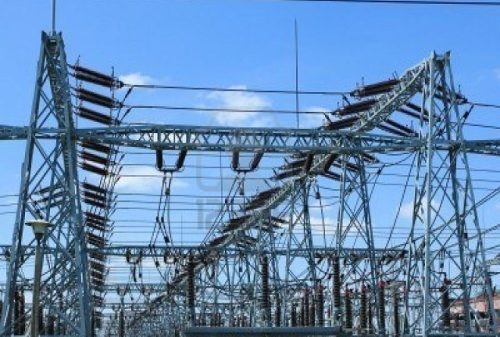
Nigeria cuts power supply to Niger Republic by 42%, reducing electricity exports from 80 megawatts (MW) to 46MW, following strained relations with the junta-led government in Niamey. This significant drop has caused electricity production in Niger to plummet by up to 50%, according to the country’s Energy Minister, Haoua Amadou.
Impact of Reduced Power Exports
The power cut has triggered widespread planned blackouts, particularly in the capital Niamey, with outages lasting several days in some neighborhoods. Niger’s national power company, Nigelec, has been forced to manage the crisis by implementing controlled power shutdowns, as the available supply remains far below national demand.
The reduction in power exports follows ECOWAS sanctions imposed after Niger’s July 2023 coup, which saw President Mohamed Bazoum ousted by the Presidential Guard. The sanctions initially led to the suspension of electricity transactions, among other penalties.
Partial Restoration, But Not Enough
Although Nigeria has resumed electricity delivery, it remains limited to just 46MW, a 42% cut from previous levels. Minister Amadou noted that local energy production is being developed, but is still insufficient to bridge the supply gap.
“Nigeria has since resumed delivering electricity, but only providing 46 megawatts instead of the usual 80 megawatts,” said Amadou.
Solar Energy Steps In
The power crisis has accelerated the adoption of solar energy among both residents and businesses in Niger. In Niamey’s Lazaret neighborhood, rooftop solar panels are now a common sight, offering a reliable alternative with no utility bills.
A local resident, Elhadj Abdou, remarked,
“There are no more power cuts here, and there are no bills to pay; everything works on solar energy.”
The panels, typically imported from China and priced around 50,000 CFA francs (approx. 75 euros), are sold directly on the streets and have become an accessible energy solution for many.
Nigeria’s Energy Profile
Nigeria’s electricity generation relies heavily on thermal and hydroelectric sources, with over 29 thermal plants powered primarily by natural gas. While the country remains a key regional supplier of electricity, recent political events have complicated energy diplomacy.