Benin, a peaceful West African nation known for its democratic stability, faced a serious political crisis on December 7, 2025, when a group of soldiers attempted to overthrow the government of President Patrice Talon. The failed coup sent shockwaves through the country and raised significant concerns about the future of democracy in the region. While the putsch was swiftly thwarted by loyalist forces, aided by Nigeria’s military intervention, the event has left Benin and its neighbors questioning the long-term stability of the region, particularly in the context of growing anti-government sentiments and a string of recent military takeovers across West Africa.
The Coup Attempt and Its Aftermath
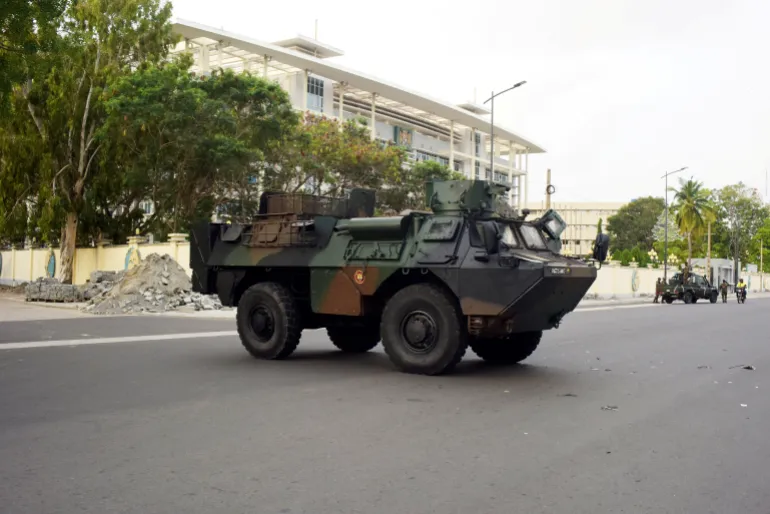
The crisis began on Sunday morning when a group of mutinous soldiers seized control of the national television station in Cotonou, Benin’s economic hub, and announced the deposition of President Talon. In their announcement, the plotters promised to restore what they described as a “democratic order,” but the attempted coup was met with immediate resistance from loyalist troops. Crucial to the government’s response was the swift intervention of Nigeria, which deployed military jets to Benin to help dislodge the mutineers.
The situation was tense, but by the afternoon, forces loyal to President Talon had surrounded the rebels and recaptured the television station. The plotters were driven out of the presidential palace, and by the evening, the government declared that the coup had been successfully foiled. President Talon made a televised address, assuring the nation that the situation was under control and that the perpetrators would be punished.
Despite the swift military response, the events have left a lasting impact on the country. In Cotonou’s bustling Dantokpa market, life has largely returned to normal, with traders like Abel Ayihuonsou expressing relief that the crisis is over. However, the nation’s faith in the permanence of its democratic stability has been deeply shaken.
Regional Implications and Nigeria’s Role
Benin’s failed coup is significant not only for the country itself but for the wider West African region, where instability has been on the rise in recent years. The intervention by Nigeria, a regional power and member of the Economic Community of West African States (ECOWAS), was crucial in preventing a broader crisis. However, Nigeria’s involvement has drawn mixed reactions. While ECOWAS and the African Union commended Nigeria for stepping in to protect regional stability, some Nigerians questioned why their military could intervene in a neighboring country while their own struggle to control internal security threats, such as bandits and insurgents in the north.
This question highlights the broader challenge facing the region: how to balance external intervention with internal security concerns. Nigeria’s role in Benin could be seen as both a stabilizing force and a reminder of the challenges the country faces in dealing with its own domestic issues. As a regional leader, Nigeria’s involvement in the coup’s suppression has underlined the importance of collective action in maintaining the stability of ECOWAS, but it also raises questions about the limits of regional intervention.
West Africa’s Growing Instability
The failed coup in Benin is just the latest in a series of political upheavals across West Africa. In recent years, countries like Mali, Burkina Faso, and Niger have experienced successful military takeovers, and the recent events in Guinea-Bissau have further contributed to the growing sense of instability. Many observers believe that Benin’s potential fall to a coup would have severely weakened ECOWAS, a regional bloc that has been crucial in promoting democratic governance and economic integration in West Africa.
In fact, the Alliance of Sahel States (AES), formed by Mali, Burkina Faso, and Niger after their respective coups, would have likely welcomed a Beninese military government. Such a shift could have led Benin to join the AES, further isolating ECOWAS and signaling a dramatic shift in the region’s political landscape. The government in Benin, however, has maintained that the coup was entirely homegrown, and while investigations are ongoing, the possibility of foreign involvement has not been ruled out.
The economic implications of a successful coup in Benin would have been significant as well. Benin plays a vital role in regional trade, especially for landlocked countries like Niger, which relies on the Port of Cotonou for much of its imports and exports. The country’s economic stability has been shaken by the ongoing political crisis, and while the situation has calmed, it remains uncertain how long it will take for relations with neighboring countries to return to normal.
The Challenge of Democratic Stability
The failed coup in Benin underscores the fragile nature of democracy in many West African countries, especially given the recent history of military takeovers. While Benin has made significant strides in terms of infrastructure development and investments under President Talon’s leadership, critics argue that the government’s actions have weakened opposition voices, potentially paving the way for the ruling party’s candidate to win in the upcoming presidential elections scheduled for April 2026.
Although Talon is not running for re-election, the opposition in Benin remains weak, and many critics argue that the president’s influence has made it difficult for alternative political voices to challenge the status quo. This has contributed to growing disillusionment among certain segments of the population, who see politicians as self-serving elites concerned more with their own interests than with those of the people.
The upcoming election will be crucial for Benin’s democratic future. While the coup attempt has weakened confidence in the government’s stability, the country’s democratic institutions will be put to the test in the months leading up to the vote. The international community, especially ECOWAS, will be closely watching the election process to ensure it is fair and transparent.
A Region in Flux: The Path Ahead
The future of Benin’s democracy remains uncertain. While the failed coup has temporarily stabilized the political situation, the underlying issues of governance, opposition strength, and regional instability continue to loom large. The country’s leaders will need to address the concerns of the public, strengthen democratic institutions, and work towards national reconciliation to avoid further unrest.
For the wider West African region, the failed coup in Benin is yet another reminder that stability in the region is fragile. As countries like Mali, Burkina Faso, and Guinea continue to face political turmoil, it is increasingly clear that the region’s future will depend on the resilience of its democratic institutions and the ability of leaders to address the concerns of their citizens.
A Region on Edge
The failed coup in Benin has shaken the country’s political landscape and raised concerns about the stability of democracy in West Africa. While the immediate crisis has been averted, the events of December 2025 serve as a stark reminder of the fragility of democratic institutions in the region. As Benin prepares for the upcoming presidential elections, its future will be shaped by how the government responds to the challenges of governance, opposition participation, and regional stability. For West Africa, the path ahead remains uncertain, and much will depend on how countries like Benin navigate the pressures of democracy and regional geopolitics.