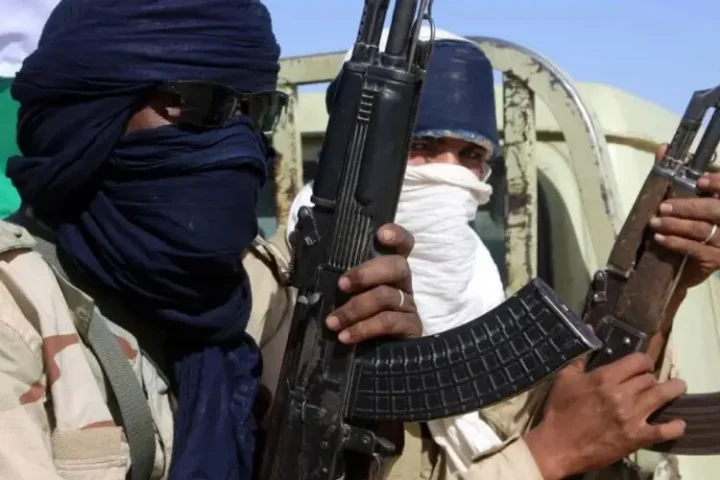
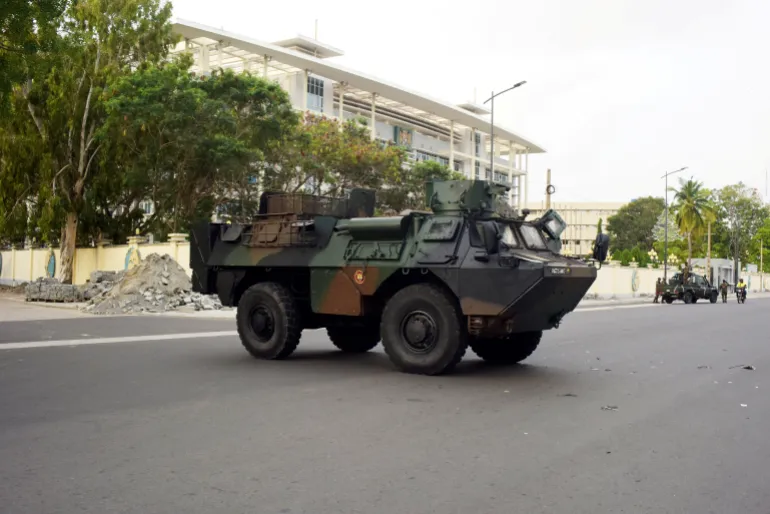
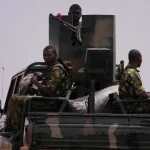
Nigeria, a country already grappling with numerous security challenges, is facing an escalating crisis that has seen a significant surge in mass kidnappings and abductions. The recent wave of attacks, primarily targeting schoolchildren, has forced the government to declare a national security emergency and prompted the resignation of Defence Minister Mohammed Badaru Abubakar. This unprecedented series of kidnappings, along with Nigeria’s ongoing battle against jihadist insurgencies, has put immense pressure on President Bola Tinubu’s administration, which is now scrambling to regain control and restore public confidence in the country’s security apparatus.
The Crisis Deepens: Mass Abductions Across Nigeria
The recent spike in mass abductions has shocked Nigeria and attracted international condemnation. The most alarming incident occurred on November 21, 2025, when armed gangs stormed St. Mary’s Co-Education School in north-central Nigeria, abducting over 300 pupils, teachers, and staff. While fifty individuals managed to escape, the remaining victims are still held captive by their captors. This horrifying event brings to mind the 2014 Chibok schoolgirl abduction, when Boko Haram militants kidnapped nearly 300 students, a tragedy that sent shockwaves around the world. However, unlike the Chibok incident, the current abductions are largely attributed to criminal gangs motivated by ransom demands rather than ideological extremism.
National security adviser Nuhu Ribadu attempted to reassure the families of the abducted children during a visit to Niger state, stating, “The children are fine and will be back soon.” Despite these assurances, the situation remains tense, with hundreds of families left in anguish, hoping for the safe return of their loved ones.
This wave of abductions has underscored the vulnerability of Nigerian schools and communities, particularly in the country’s northwestern and central regions. The frequency of such kidnappings has steadily increased, making it clear that the government’s response to the crisis has been inadequate in preventing these attacks from happening in the first place.
Defence Minister’s Resignation Amid Crisis
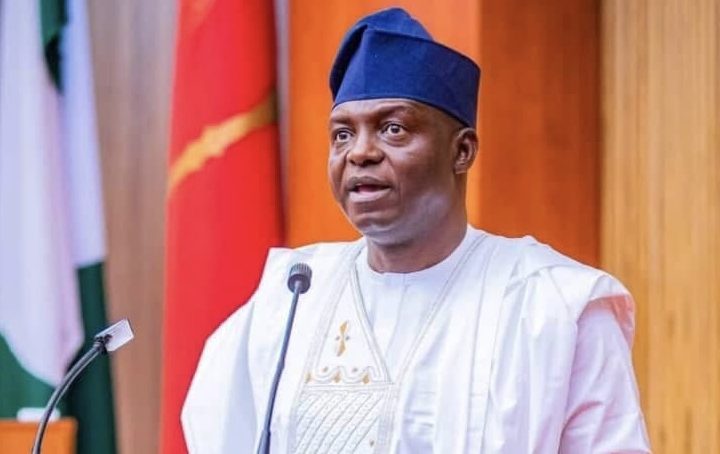
As the country struggles to cope with this growing threat, Defence Minister Mohammed Badaru Abubakar, who had been overseeing Nigeria’s military response to the rising wave of abductions, resigned from his post on December 1, 2025. Abubakar, 63, cited health reasons for his departure, but his resignation comes at a time of heightened instability and public frustration with the government’s handling of the security situation.
President Tinubu’s government had previously declared a national security emergency in response to the kidnappings, and Abubakar’s resignation adds another layer of uncertainty to an already volatile situation. Presidential spokesman Bayo Onanuga confirmed the resignation, stating that Abubakar’s departure coincides with the government’s declaration of a nationwide security emergency. The full details of the emergency and the measures that will be taken remain unclear, but the government has promised to provide more information in the coming days.
This resignation has further shaken the public’s confidence in the government’s ability to manage the security crisis, especially in light of the growing influence of criminal gangs and jihadist groups operating across the country. Many Nigerians are questioning the effectiveness of the security forces, which have struggled to control vast swaths of territory, particularly in the north and central regions.
International Attention and Pressure on Nigeria
Nigeria’s security crisis has not gone unnoticed on the international stage. In October 2025, U.S. President Donald Trump designated Nigeria as a “Country of Particular Concern” for religious freedom violations, citing the killings of Christians by “radical Islamists.” This designation drew sharp reactions from the Nigerian government, which rejected the U.S. claims but could not escape the international scrutiny. Trump’s remarks included a veiled threat of military intervention, which has only added to the sense of insecurity within the country.
While the U.S. government’s comments were focused on religious violence, Nigeria’s security issues are much broader. The country has been struggling with a growing jihadist insurgency since 2009, with groups like Boko Haram and ISWAP (Islamic State West Africa Province) carrying out regular attacks in the country’s north. These jihadist groups, in combination with the rise of criminal gangs engaging in mass kidnappings for ransom, have left Nigerian authorities overwhelmed, struggling to address multiple security challenges simultaneously.
Nigeria’s Battle Against Jihadist Insurgency
The insurgency, primarily concentrated in the northeastern and northwestern regions of Nigeria, has been a major contributor to the country’s deteriorating security situation. Since the 2009 outbreak of violence, Nigeria has fought a protracted battle against groups like Boko Haram and ISWAP. These groups have carried out attacks on civilian populations, military bases, and infrastructure, creating an atmosphere of fear and uncertainty. The recent spate of kidnappings, which includes targeting schoolchildren, has only intensified the public’s sense of vulnerability.
In response to the mounting security challenges, President Tinubu’s government has launched a major recruitment drive for both the police and military forces, hoping to bolster the country’s overstretched security apparatus. While these efforts are seen as necessary, experts warn that more fundamental reforms are needed to tackle the root causes of insecurity, including addressing corruption, improving governance, and creating better economic opportunities for at-risk communities.
The Economic and Social Impact of Insecurity
The continuing insecurity in Nigeria is having a severe impact on the country’s economy and society. Mass kidnappings and insurgent violence have disrupted daily life in many parts of the country, particularly in the north. Markets, schools, and businesses are often shut down in areas prone to attacks, creating widespread fear and uncertainty. For many Nigerians, the cost of living has increased due to the disruption of trade and supply chains, particularly in regions that rely on farming and agriculture.
Moreover, the educational sector has been heavily affected. The abductions of schoolchildren have led to school closures in many regions, further hampering the country’s ability to educate its youth. The trauma inflicted on the families of abducted children, along with the long-term psychological effects of these attacks, will undoubtedly have repercussions for generations to come.
Moving Forward: What’s Next for Nigeria’s Security?
The resignation of Defence Minister Abubakar and the ongoing national security emergency declaration signal a shift in Nigeria’s approach to its security challenges. President Tinubu’s government has vowed to take swift action to curb the rising tide of kidnappings and insurgency, but much remains to be seen about how effectively these measures will be implemented.
One thing is clear: Nigeria’s security forces are stretched thin, and addressing the country’s complex security landscape will require significant investment in both human resources and infrastructure. Additionally, it is crucial that the government adopts a comprehensive strategy that not only focuses on military action but also addresses the underlying issues of poverty, corruption, and governance that fuel insecurity.
As the country faces this unprecedented crisis, Nigerians will be looking to their leaders for answers. Can Nigeria restore order and stability, or will the escalating violence signal the beginning of a darker chapter in the country’s history? For now, the future remains uncertain, but the government’s response in the coming weeks will be crucial in shaping the path forward.