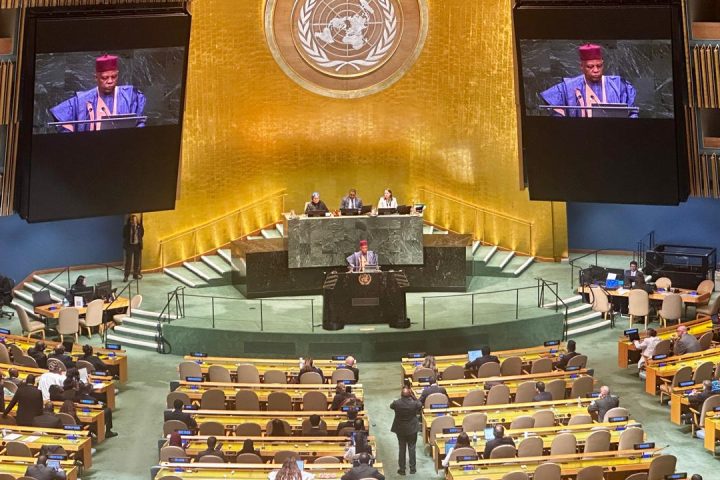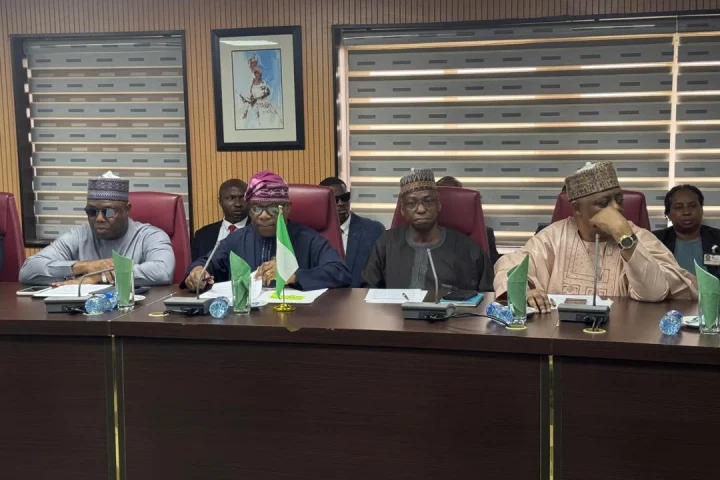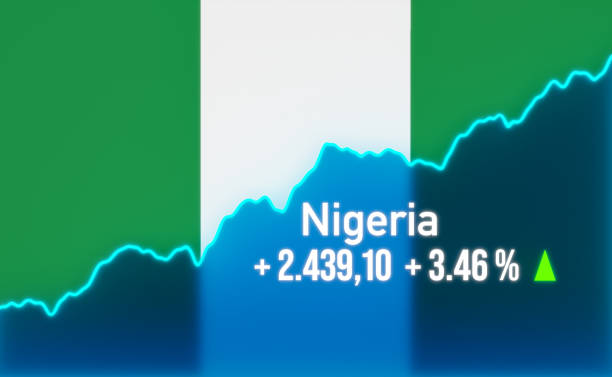
As Nigeria navigates the complexities of a post-pandemic world and global economic shifts, President Bola Ahmed Tinubu’s administration has unveiled a bold vision for the country’s economic future. With plans aimed at diversification, structural reforms, and long-term sustainability, President Tinubu’s strategies promise to steer Africa’s largest economy toward recovery and growth by 2026.
After inheriting an economy grappling with challenges such as inflation, unemployment, and oil dependency, Tinubu’s leadership is positioning Nigeria to achieve meaningful transformation in the coming years. This article explores the key elements of President Tinubu’s economic vision for 2026, the reforms being implemented, and the challenges and opportunities that lie ahead.
Key Pillars of President Tinubu’s Economic Vision
President Tinubu’s vision for Nigeria’s economy is centered around several core pillars that aim to address long-standing issues and create a foundation for sustainable growth. His policies focus on economic diversification, improving the business environment, fiscal responsibility, and bolstering key sectors that can drive economic prosperity.
1. Diversification Away from Oil Dependence
One of the most pressing challenges facing Nigeria is its over-reliance on oil revenues, which make up a significant portion of government income and foreign exchange earnings. Tinubu has recognized the need to reduce this dependence and chart a path toward a more diversified economy. His administration is emphasizing the importance of sectors like agriculture, manufacturing, and technology as critical drivers of economic growth.
Under Tinubu’s leadership, Nigeria is expected to accelerate efforts to develop its agriculture sector, with a focus on improving food security, modernizing farming techniques, and increasing exports of agricultural products. Technology and fintech are also becoming central to Nigeria’s economic diversification strategy. The growth of the country’s tech ecosystem is driving innovation and attracting investment, positioning Nigeria as a tech hub for Africa.
2. Structural Reforms and Institutional Strengthening
To achieve long-term economic growth, structural reforms are essential. Tinubu’s vision includes addressing key weaknesses in Nigeria’s institutional framework, such as the ease of doing business, bureaucratic inefficiencies, and governance issues. By simplifying processes and reducing corruption, the government aims to create a more investor-friendly environment that fosters both local and foreign investments.
One area of focus is tax reform, with the goal of improving revenue generation without overburdening the citizenry. The Tinubu administration is looking to modernize Nigeria’s tax system, improve compliance, and expand the tax base. In addition, the government is working to attract foreign direct investment (FDI) through the creation of special economic zones, tax incentives, and regulatory reforms.
3. Job Creation and Youth Empowerment
Nigeria’s rapidly growing population, particularly among young people, presents both an opportunity and a challenge. President Tinubu’s economic plan seeks to create millions of new jobs, particularly for young Nigerians, who make up a significant portion of the unemployed and underemployed population. The government is prioritizing education, vocational training, and entrepreneurship as key components of its strategy to tackle youth unemployment.
The administration plans to provide more support to small and medium-sized enterprises (SMEs), which are crucial for job creation and economic growth. Additionally, the government is focusing on skills development and digital literacy, equipping young Nigerians with the tools to succeed in the modern economy.
4. Infrastructure Development
Infrastructure is a major focus of President Tinubu’s economic vision. Nigeria’s infrastructure needs are vast, and the government is working to address gaps in transportation, power generation, and telecommunications. The development of roads, railways, and ports is essential to facilitate trade, reduce costs, and enhance the country’s competitiveness.
Power generation remains a critical issue, and the Tinubu administration is committed to addressing the nation’s energy deficit. By investing in renewable energy sources like solar power and improving the efficiency of existing energy infrastructure, Nigeria can reduce its dependence on fossil fuels and provide reliable electricity to businesses and homes across the country.
5. Fiscal Responsibility and Debt Management
With Nigeria’s debt levels on the rise, President Tinubu has emphasized the importance of fiscal discipline and debt management. The government is focused on reducing the fiscal deficit by increasing revenue and cutting unnecessary expenditures. In addition, Tinubu’s administration aims to improve public sector efficiency and ensure that government spending is aligned with long-term development goals.
A key part of this strategy is ensuring that debt is used for productive investments, particularly in infrastructure and human capital, which will provide long-term returns for the economy. The government is also working with international financial institutions to manage debt levels and ensure that Nigeria’s finances remain sustainable.
Opportunities for Economic Growth in 2026
1. The Rise of the Digital Economy
One of the brightest prospects for Nigeria’s economy is the growth of its digital economy. Nigeria’s tech sector, including fintech, e-commerce, and digital services, is expanding rapidly, attracting both local and international investors. The continued growth of startups and digital businesses is expected to contribute significantly to economic diversification.
Nigeria’s young, tech-savvy population, coupled with its growing internet penetration, makes it an ideal candidate for the expansion of digital services. Tinubu’s vision includes supporting innovation hubs and startups, which are creating jobs and driving economic activity in major cities like Lagos, Abuja, and Kano.
2. Boosting Agricultural Exports
Nigeria’s agricultural sector offers significant potential for growth. By modernizing farming practices and increasing the value of agricultural products, Nigeria could become a major exporter of food and agricultural products to global markets. Tinubu’s government is prioritizing investment in agriculture, with a focus on improving supply chains, storage facilities, and access to financing for farmers.
3. Regional Integration and Trade
Nigeria’s position as the largest economy in Africa makes it a key player in the African Continental Free Trade Area (AfCFTA). By engaging in more intra-African trade, Nigeria stands to benefit from access to a larger market and increased economic integration within the continent. Tinubu’s administration is focused on strengthening Nigeria’s trade relationships with other African nations and leveraging regional integration to spur economic growth.
Challenges Ahead
Despite the promising outlook for Nigeria’s economy, several challenges remain. These include political instability, insecurity in certain regions, inflation, and the ongoing need for strong institutions to support the economy. Additionally, global economic trends, such as fluctuations in oil prices and geopolitical tensions, could pose risks to Nigeria’s economic progress.
Conclusion
President Tinubu’s vision for Nigeria in 2026 is one of growth, diversification, and reform. With a focus on reducing reliance on oil, strengthening institutions, creating jobs, and improving infrastructure, Nigeria is poised for significant economic transformation. However, the country must navigate several challenges, including political instability, security issues, and global economic uncertainties, to fully realize its potential.
As Nigeria works toward a more diversified and resilient economy, the key to success will lie in the effective implementation of these policies and the continued engagement of the private sector, international partners, and civil society.