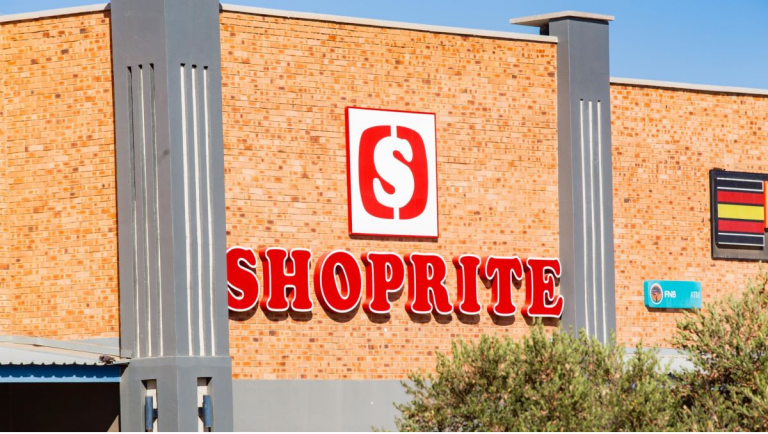
The Shoprite Nigeria Closure has shaken the country’s retail sector and disrupted activity across shopping malls nationwide. After two decades of operations, the supermarket chain shut down its stores. As a result, a major gap has emerged in Nigeria’s organized retail market.
Nigeria’s shopping mall sector is valued at about US$1.56 billion. However, analysts believe that nearly US$875 million in retail activity may now be affected. Consequently, thousands of jobs and businesses linked to the supermarket chain face uncertainty.
For many malls, the supermarket served as the main attraction. In fact, it consistently drew shoppers who also visited nearby clothing stores, restaurants, pharmacies, and cinemas. Therefore, without that anchor tenant, many retailers now experience lower foot traffic and declining sales.
The Shoprite Nigeria Closure, therefore, affects far more than a single supermarket brand. Instead, it touches the entire ecosystem that grew around modern mall culture in Nigeria.
When Shoprite entered Nigeria in 2005, it introduced a modern retail model. Large supermarkets offered diverse products, organized shopping spaces, and predictable pricing. As a result, the concept quickly appealed to urban consumers seeking convenience and variety.
Over time, the company expanded to about 25 stores across 13 states. Moreover, these supermarkets became central features in many shopping malls. Consequently, their presence ensured steady customer flow throughout the week.
Today, however, the Shoprite Nigeria Closure challenges that structure. In several cities, malls that relied on the chain now operate with noticeably reduced activity.
The company’s influence extended far beyond its checkout counters. For years, it served as a major bulk buyer of food products, beverages, household goods, and locally produced items. As a result, farmers, manufacturers, and distributors all benefited from its extensive supply network.
Thousands of small businesses supplied goods to the chain. In many cases, they relied heavily on its large orders to sustain production. Now, however, the Shoprite Nigeria Closure forces many of these suppliers to adjust their distribution strategies.
Instead of delivering large shipments to a single buyer, suppliers must now distribute smaller volumes across several retailers. Consequently, this shift often reduces turnover and increases logistical complexity.
The supermarket’s operational difficulties developed gradually. Initially, financial pressure intensified after the COVID-19 pandemic disrupted global trade and local consumption patterns.
At the same time, foreign exchange shortages created serious challenges for retailers importing goods. Meanwhile, rising logistics costs made nationwide distribution more expensive. In addition, higher import tariffs placed further pressure on profit margins.
Taken together, these factors forced the company to reconsider its long-term strategy in Nigeria.
In 2021, the South African parent company transferred ownership of its Nigerian operations to Ketron Investment Limited. The consortium was led by Persianas Investment Limited. Under this arrangement, local operators continued running the business under a franchise model.
At first, the restructuring appeared to stabilize operations. For example, holiday promotions briefly boosted customer traffic. Similarly, family shopping trips and voucher campaigns helped stores maintain sales during peak seasons.
However, deeper financial pressures remained.
By 2024, customers began noticing shortages in several stores. Shelves that once carried diverse products increasingly displayed limited selections. In some locations, shoppers reported finding only items such as wine, detergents, or toys.
Gradually, the reduced inventory signaled broader operational difficulties.
By late 2025, several outlets in Lagos and other cities had closed entirely. Consequently, once busy supermarket spaces became silent. Shopping aisles that previously attracted large crowds now sit empty.
The Shoprite Nigeria Closure, therefore, has reshaped the retail environment in many Nigerian cities.
Retail Supermarkets Nigeria Limited has said the shutdown represents a restructuring effort. According to the company, the move aims to adapt the business model to Nigeria’s evolving economic conditions.
Nevertheless, the immediate consequences remain visible.
One early signal appeared in January 2024. At that time, the store at Ado Bayero Mall in Kano closed after management cited financial challenges. Soon afterward, nearby businesses began reporting lower customer traffic.
Retailers in the mall quickly noticed the difference.
For instance, a footwear retailer in Festac said weekly revenue dropped sharply after the supermarket stopped operating. Previously, the store generated about US$1,563 per week. However, sales later fell to around US$625. As a result, covering rent and operating expenses became far more difficult.
Similar stories have emerged in other cities.
Employees have also felt the impact of the Shoprite Nigeria Closure. Former workers in Akure described how many staff members suddenly lost stable jobs. Consequently, some have turned to small retail activities. Others now operate mobile money services to generate income.
For many families, the closure removed a dependable source of wages.
Suppliers face new challenges as well. Previously, businesses delivered large shipments directly to the chain. Now, however, they must rely on smaller retailers to move their products. As a result, total sales volumes often decline while distribution becomes more fragmented.
Across cities such as Ibadan and Lagos, the most visible effect appears inside shopping malls themselves. Large supermarket spaces now stand empty. Consequently, overall customer traffic has dropped.
Nevertheless, many mall tenants continue operating while hoping new anchor tenants eventually replace the supermarket.
Ultimately, the Shoprite Nigeria Closure highlights broader economic pressures facing Nigeria’s retail sector. Currency volatility, rising inflation, and changing consumer behavior have made large-scale retail operations more difficult.
At the same time, the shutdown raises questions about the future of Nigeria’s shopping mall industry.
For two decades, supermarkets like Shoprite helped define the country’s mall culture. Their presence created commercial hubs where shopping, dining, and entertainment blended into a single experience.
Today, however, those spaces face a period of uncertainty.
Whether new retailers will fill the gap remains unclear. Nevertheless, the empty supermarket floors already serve as reminders of a retail era that shaped Nigeria’s urban shopping landscape.