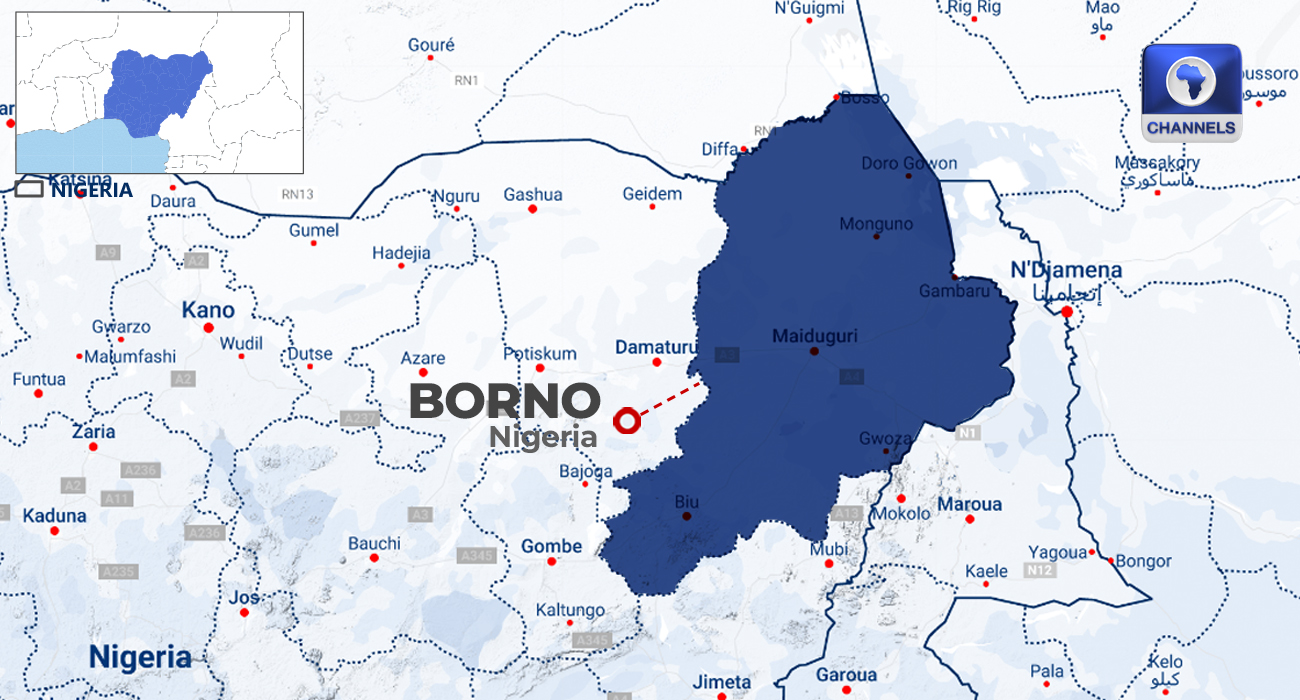
In a major blow to terrorist activities in the northeast of Nigeria, the Nigerian Air Force (NAF) successfully targeted and struck a terrorist camp in AbbagaJiri, located in the Timbuktu Triangle of Borno State, as part of the ongoing efforts under Operation HADIN KAI. The operation, which took place on January 9, 2026, was a result of multi-source intelligence that confirmed the presence of active terrorist groups, hidden structures, and concealed logistics facilities in the area.
Intelligence-Gathering and the Airstrike
According to Air Commodore Ehimen Ejodame, the Director of Public Relations and Information at the NAF, the air interdiction was initiated after confirming through intelligence sources that the area was being used by terrorists for operational purposes. These included safe havens, logistics hubs, and facilities that were actively supporting terrorist activities.
“Our intelligence network confirmed the terrorist presence in AbbagaJiri, and with the support of multi-source intelligence, we were able to precisely engage the identified targets,” Ejodame stated. The Nigerian Air Force deployed a range of air assets for surveillance and precision airstrikes, designed to specifically neutralize the terrorist structures and equipment in the area.
The strike was part of a broader strategy to degrade terrorist capabilities, denying them freedom of movement, logistical support, and the ability to regroup. The operation was meticulously planned in line with international rules of engagement, ensuring that non-combatants were protected throughout the mission.
Air Marshal Sunday Aneke’s Statement
Following the successful strike, Air Marshal Sunday Aneke, the Chief of the Air Staff (CAS), issued a statement reaffirming the NAF’s unwavering commitment to combating terrorism in Nigeria. “This operation demonstrates our resolve to dominate the air domain in support of joint operations,” said Air Marshal Aneke. He highlighted the effectiveness of the airstrike, noting that it had directly contributed to disrupting the terrorist network’s operational structure in the region.
Aneke further emphasized that the airstrike not only neutralized the targeted terrorist structures but also led to follow-up engagements. “We observed armed elements converging on the location, and these were neutralized in a secondary engagement, ensuring that terrorists in the area were denied any freedom of action,” he added.
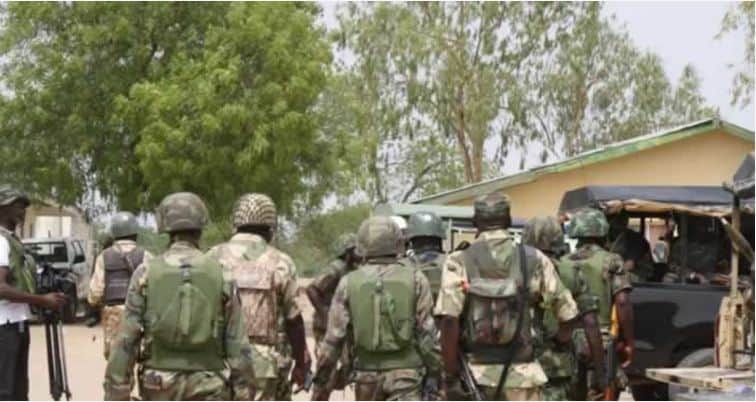
The success of this operation was later validated by ground troops, who advanced into the region and confirmed the effectiveness of the airstrikes, reporting substantial damage to the terrorists’ infrastructure. This joint air-land operation proved once again the value of collaborative military efforts and the integration of air and ground forces in modern counter-terrorism operations.
Ongoing Air Operations and Intelligence-Driven Tactics
Air Marshal Aneke also took the opportunity to reassure the Nigerian public that the NAF would continue to provide relentless air support in the fight against terrorism. “Our air operations will remain relentless, intelligence-driven, and strategically focused on dismantling terrorist networks,” he stated. He underscored the importance of intelligence in planning military operations, ensuring that every strike is as precise and effective as possible while minimizing collateral damage.
The NAF’s focus on targeted, intelligence-led operations is a key factor in its ongoing efforts to maintain pressure on terrorist groups operating in Nigeria’s northeastern region. While the country continues to face significant security challenges, these operations are vital in denying terrorists sanctuary and logistical support, cutting off their ability to operate freely.
Broader Implications for National Security
The AbbagaJiri airstrike is one of many successful operations under Operation HADIN KAI, which is a combined effort by the Nigerian military to tackle the insurgency in the northeast. These ongoing operations are integral to the Nigerian government’s efforts to restore stability and peace to areas heavily impacted by terrorism, including Borno, Yobe, and Adamawa States.
By targeting terrorist groups’ operational bases, logistics networks, and supply chains, the NAF is not only weakening the insurgents’ ability to operate but also creating a safer environment for local populations. Humanitarian aid and development programs are also part of the broader strategy to bring lasting peace and stability to these areas.
International Support and Cooperation
The Nigerian government’s efforts to combat terrorism in the region have garnered international attention and support. While Nigeria’s armed forces have led the fight against groups like Boko Haram and ISWAP, international military partnerships and intelligence-sharing have been crucial in facilitating the success of operations like the AbbagaJiri strike.
As Nigeria continues to fight terrorism, it remains committed to strengthening its military capabilities, enhancing intelligence operations, and working alongside global partners to eliminate terrorist threats. These operations also signal Nigeria’s ongoing resolve to protect its citizens, restore peace to conflict-ridden regions, and ensure that terrorist organizations do not succeed in their disruptive goals.
A Step Forward in the Fight Against Terrorism
The Nigerian Air Force’s successful operation at AbbagaJiri marks another important milestone in the ongoing battle against terrorism in Nigeria’s northeastern region. Through the careful use of intelligence, precision airstrikes, and collaboration with ground forces, the NAF continues to make significant strides in weakening the terrorist infrastructure and ensuring the safety of Nigerian citizens.
As the NAF and the joint task force of Operation HADIN KAI maintain their pressure on terrorist groups, the relentless commitment to intelligence-driven operations will remain a cornerstone of Nigeria’s security strategy. The destruction of terrorist structures in AbbagaJiri is a testament to the effectiveness of these integrated military efforts and serves as a reminder of the ongoing challenge of securing peace and stability in the region.
While the fight is far from over, the continued success of the NAF’s operations offers hope for the eventual dismantling of terrorist networks and the restoration of safety to the affected areas. Nigeria’s military, through its sustained efforts and strategic operations, is sending a clear message: terrorism will not prevail.