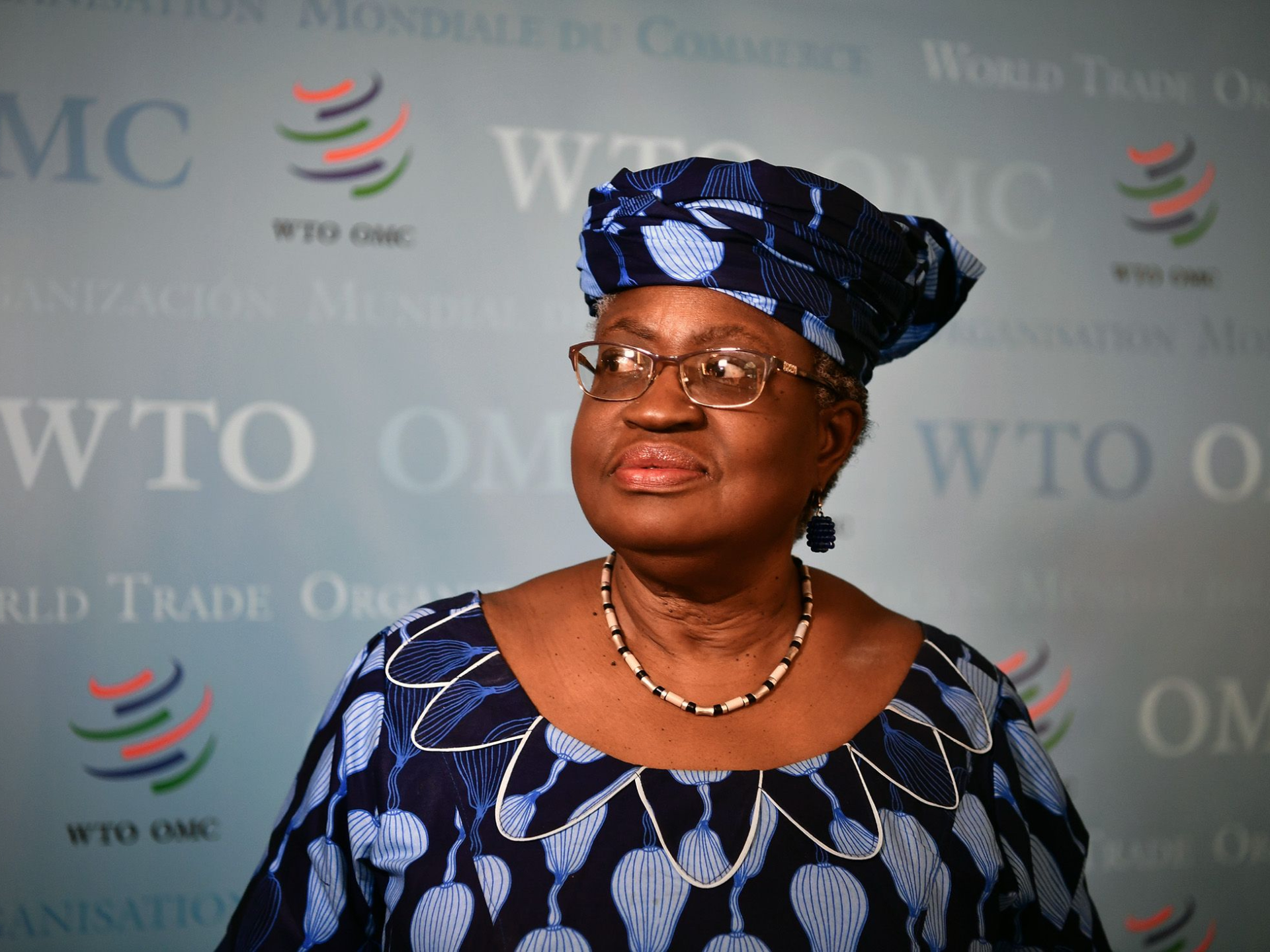
World Trade Organisation Director-General Dr. Ngozi Okonjo-Iweala has urged Nigeria to aggressively pursue global supply chains. Specifically, she sees this as a path to job creation, industrial growth, and reduced import dependence.
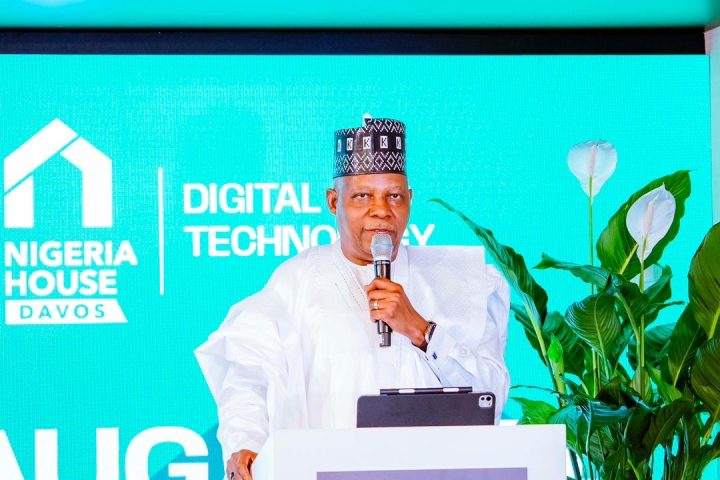
She made these remarks during a panel at Nigeria House in Davos on Wednesday. The session, titled “From Scale to Capital,” focused on Nigeria’s role in digital trade and infrastructure.
According to Okonjo-Iweala, rising geopolitical tensions—especially between the U.S. and China—are reshaping global trade. As a result, companies are adopting “China+1” sourcing strategies to lower risk. Moreover, tariffs and trade barriers are pushing firms to diversify production beyond single suppliers.
“These disruptions present a real opportunity for Nigeria,” she said. However, she stressed that the country must actively market itself to investors.
She explained that while reforms are underway, they must translate into jobs. “We need to move from stabilisation to job creation,” she told the audience. In fact, she noted this is where Nigeria currently falls short.
Therefore, she called for a proactive strategy: “We should go after those investments—to China, the U.S., wherever it takes—to bring investors here.”
Importantly, much of today’s supply chain diversification still occurs within Asia. For example, India is capturing significant new investment. Consequently, Okonjo-Iweala urged Nigeria to “attract a sizeable chunk of that” flow.
She then highlighted concrete sectors where Nigeria could compete. “Let’s build solar panels in Nigeria,” she said. After all, the country imports them despite having strong renewable energy potential.
Similarly, in fashion, she pointed out that many textiles—including wax prints—are imported. “Every time I buy a piece, I check where it’s made,” she said. Thus, she encouraged attracting investment to produce these goods locally.
Additionally, pharmaceuticals offer another opening. “There is a chance there as well,” she added. Overall, she listed these as priority supply chains for Nigeria to target.
Also on the panel was Dr. Oludapo Olusi, Managing Director of the Bank of Industry. He supports boosting local manufacturing through targeted financing and policy support.
Earlier at Davos, Finance Minister Wale Edun reinforced Nigeria’s reform agenda. In a Bloomberg interview, he said Nigeria is prioritizing fiscal discipline, credible reforms, and global engagement.
Specifically, he stated: “The aim in the short term is to get the tax-to-GDP ratio up to 18%.” Furthermore, he emphasized channeling resources into social services and infrastructure.
In conclusion, both leaders agree: Nigeria must act decisively. Without deliberate outreach and investor-friendly policies, the country risks missing a historic window. As Okonjo-Iweala put it: “Everything we can do to showcase Nigeria as a country worthy of investment is what we should be doing.”